Efficiently refine your product with optimized winterization
Operating at temperatures as low as -40°C, our systems utilize ethanol to
effectively precipitate and separate unwanted fats, lipids, and waxes from crude
oil. This process significantly improves product purity and quality by minimizing
the presence of impurities. Our systems are optimized for efficiency, maximizing
cannabinoid yield while minimizing processing time and labor. Integrated intelligence
and recipe management features enable automated operation, streamlining workflows
and reducing operational costs. With precise temperature control and advanced
filtration techniques, our winterization systems deliver high-quality winterized crude
oil with enhanced potency and clarity
Technical Specifications
Technical Specification
Value
Batch Time (Hr Per Batch)
24
Ethanol and Fat + Oil Ratio
6:1
Required Ethanol (Liter Per Batch)
30
Input Fat + Oil (kg)
3
Area Required (L x W x H) (m/ft)
4.86 x 6.9 x 2.05/
15.95 x 22.64 x 6.73
Power (kW)
5
Power Consumption (CFM/Bar Pressure)
15/6
System Features
01
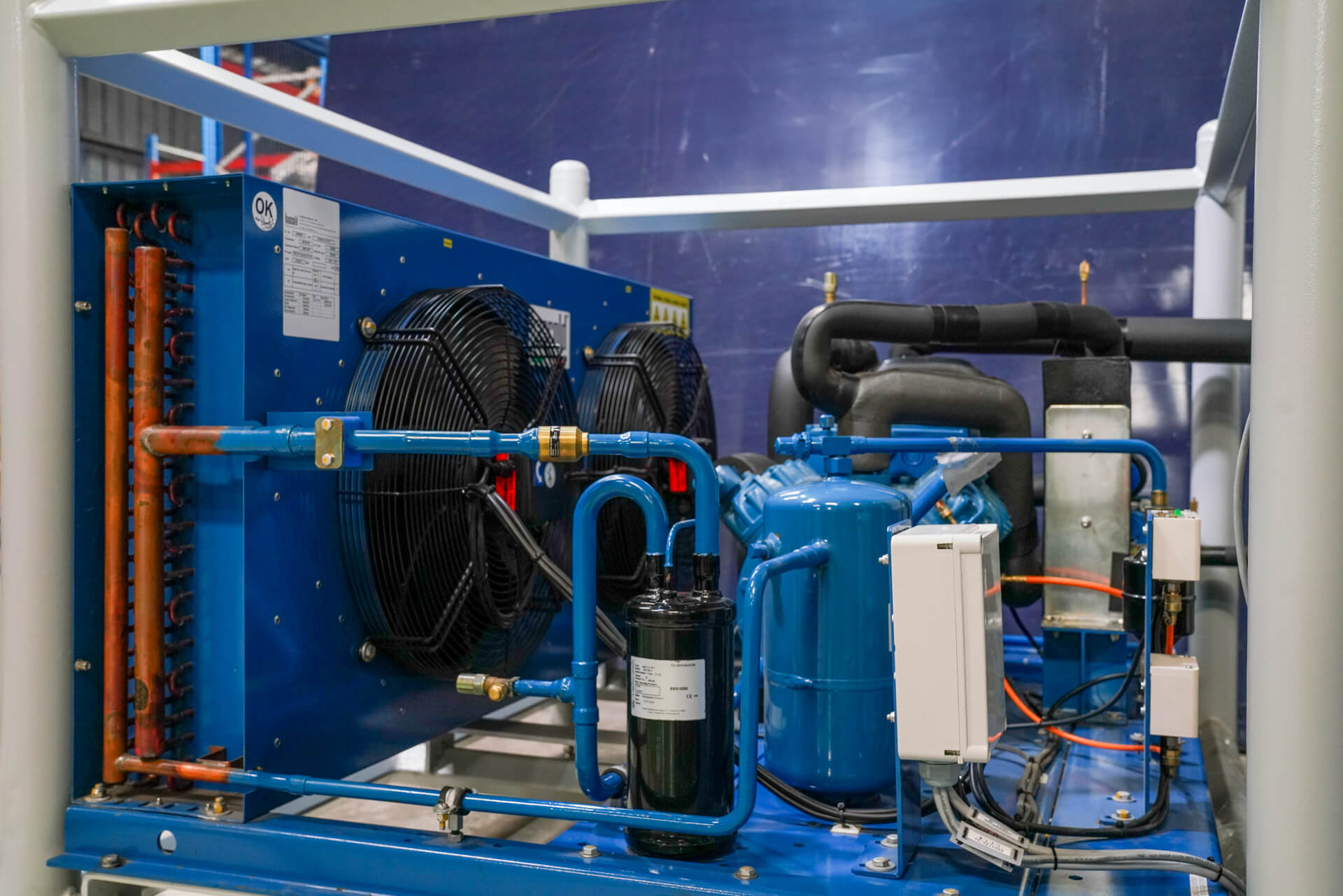
Chilling Unit(Ethanol Tank)
800 liter capacity with continuous chilling up to -50°C, effectively reducing power consumption
02
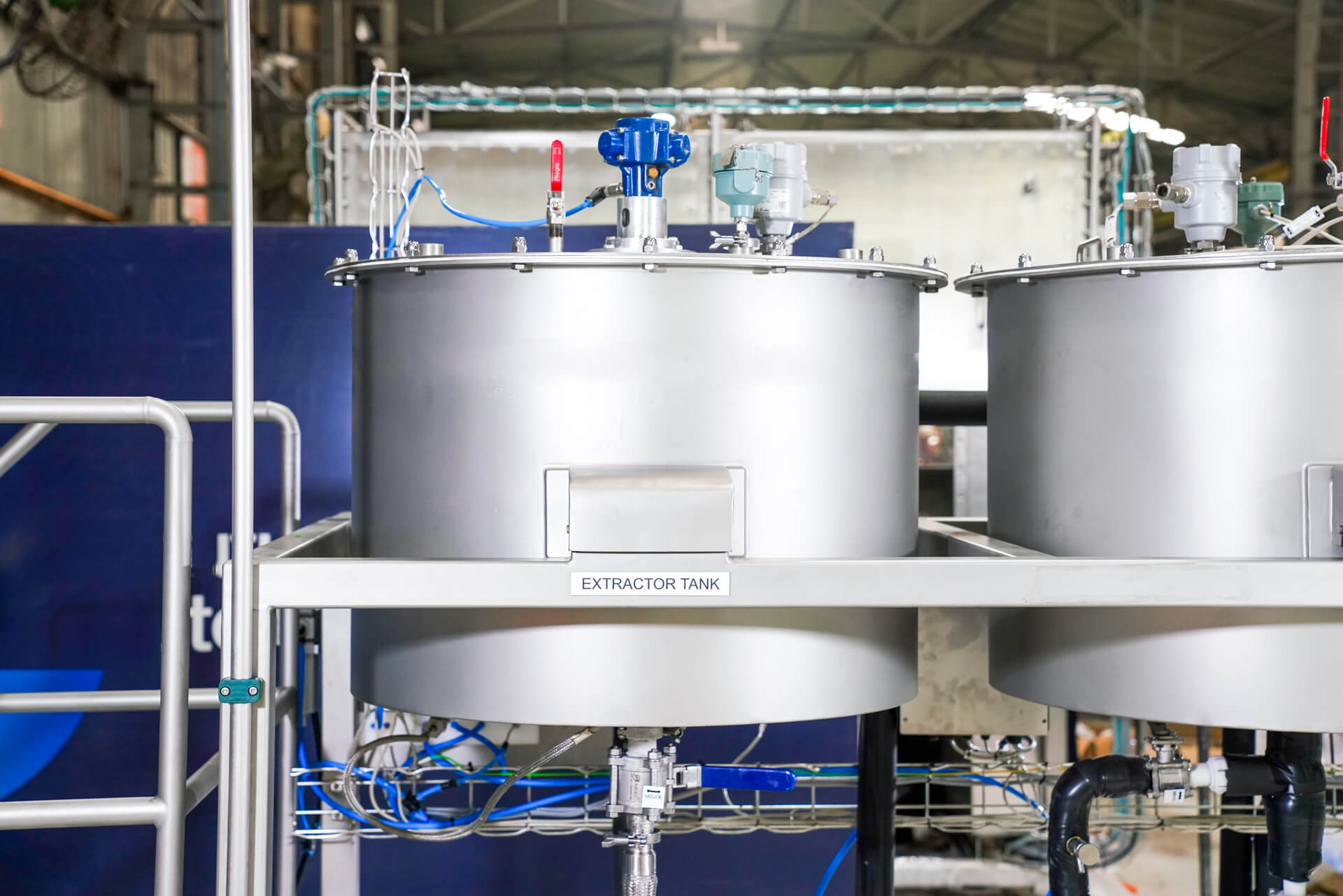
Extraction Vessel 550 liter capacity jacketed vessel to maintain temperature of ethanol + oil at
-45 °C to -48 °C
03
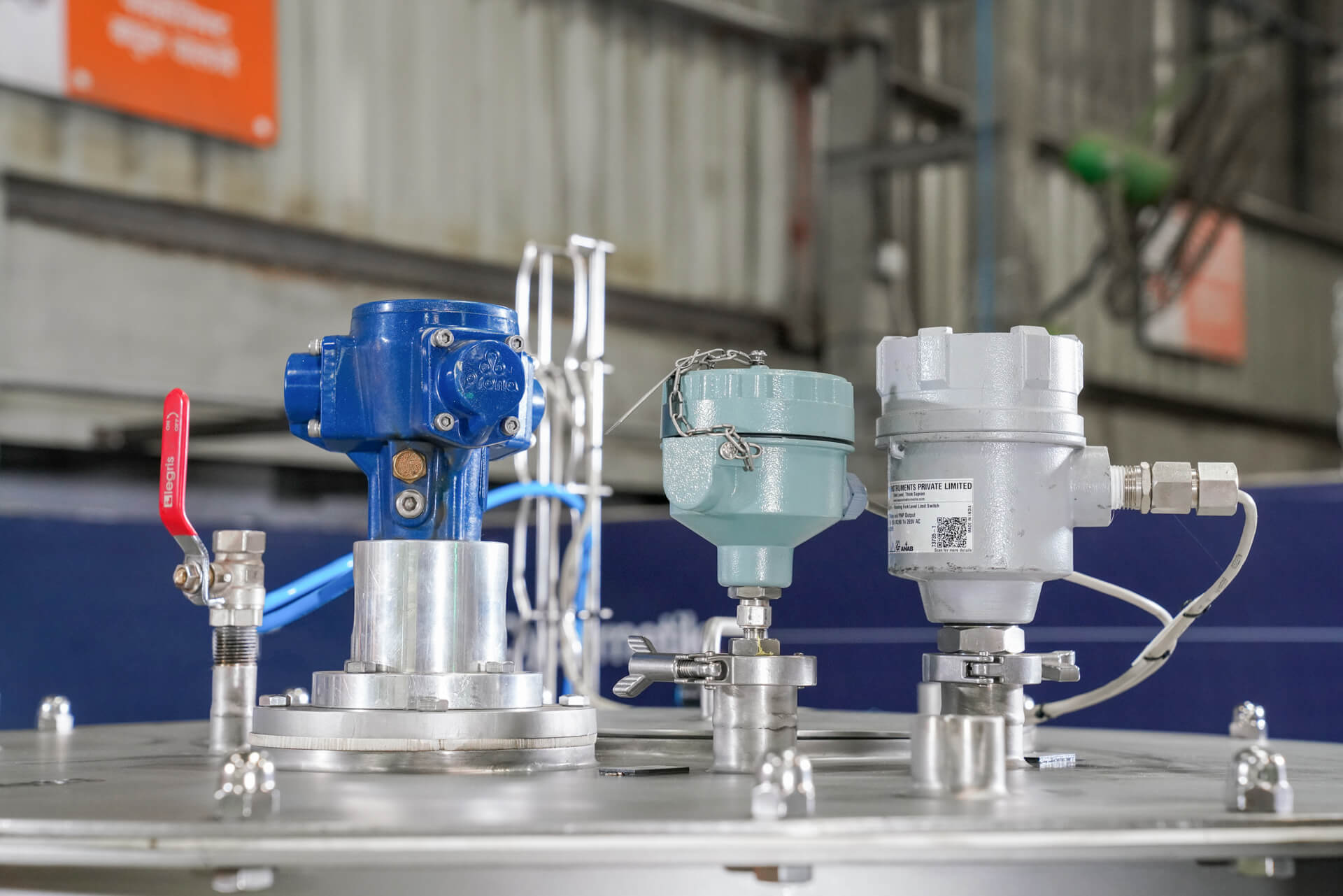
Pneumatic Stirrer
To prevent fire hazards
04
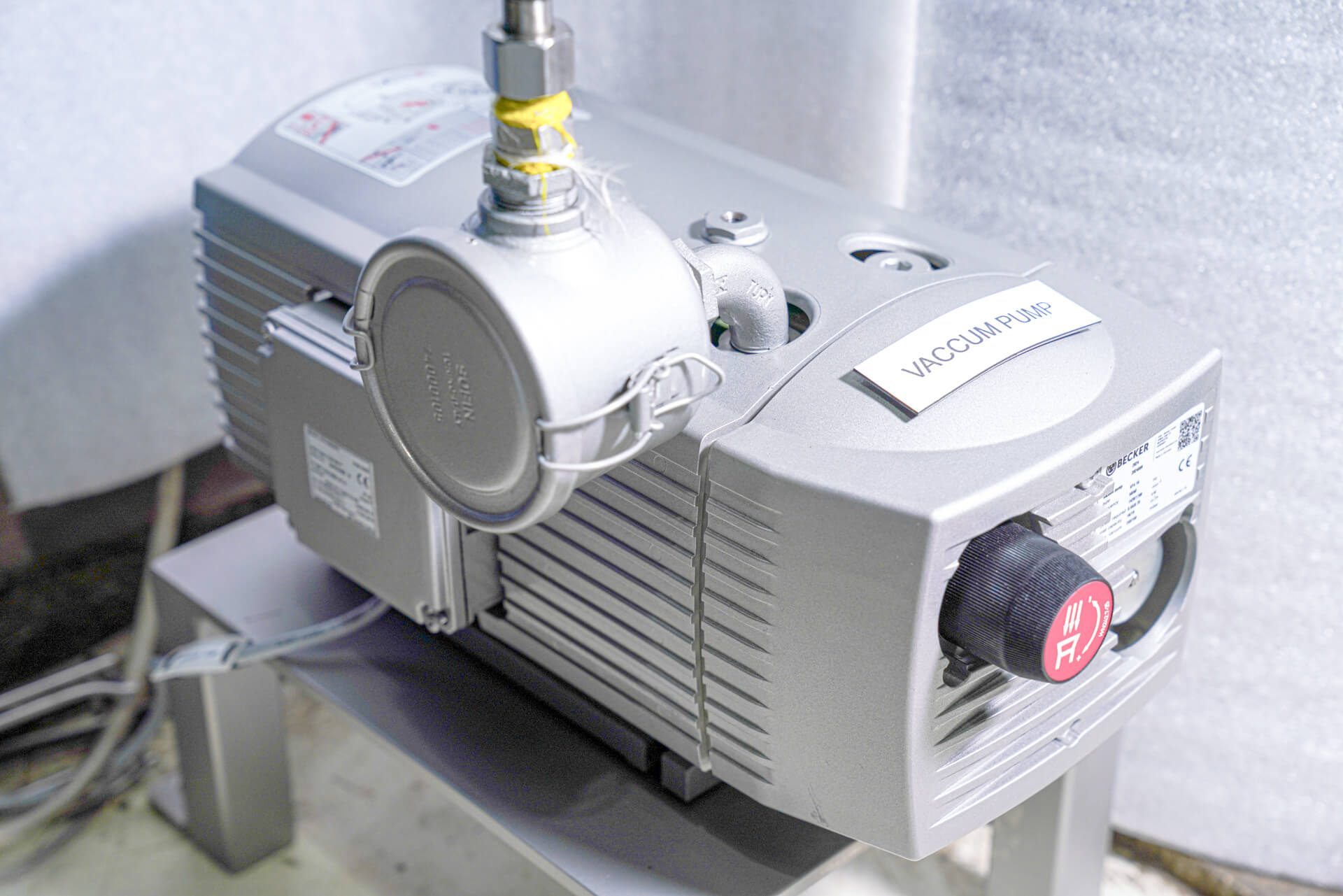
Vacuum
For fast filtration
05
Intelligent Automation Single point HMI/SCADA
monitoring and control
Frequently Asked Questions
Winterization is a purification process to remove unwanted fats, lipids, and waxes from crude cannabis
oil extracted from flowers . It involves mixing the extract with ethanol and chilling it to extremely
low temperatures of -40°C to -50°C casuing undesirable compounds to precipitate. These solidified
impurities are then filtered out, leaving behind a cleaner, more potent, and high-quality cannabis
extract.
Fats, waxes and lipids in crude cannabis oil can cause several issues:
Harsh Taste and Poor Aroma: Unwanted compounds can lead to bitter, unpleasant
flavours.
Cloudiness in tinctures and oil-based products: Unappealing appreance of the final product.
Lower Potency: The product has lots of unwanted compounds that affects potency.
Reduced Shelf Life: Plant waxes can lead to faster degradation.
Winterization removes these impurities to enhance extract purity, flavor and aroma, product stability
and consumer safety.
Traditional winterization involves manually cooling and filtering crude oil in separate,
time-consuming steps. Batch winterization requires:
Extended processing times (multiple cycles per batch).
High labor costs due to manual handling.
Inconsistent product quality from batch-to-batch variations.
Continuous Winteriaztion on the other hand, offers:
Non-stop processing with no downtime between batches.
Automated temperature control.
Optimized use of ethanol for cost-efficiency.
Fats and waxes are filtered in real time.
Automation reduces labor requirements and cost.
Winterization System is designed for efficiency, and precision. The winterization process includes:
Ethanol Mixing: Crude cannabis oil is blended with ethanol to dissolve cannabinoids and
terpenes.
Ultra-low Temperatures Chilling:Temperatures of -40°C causes fats, waxes, and lipids to
solidify for removal.
Vaccum-asissted Filtration: Percipitated impurities are removed without cannabinoid loss.
Process Control: Precise temperature control and ethanol ration management.
Final Extract Refinement: Winterization crude oil is then refined for purification or
distillation
Winterization improves product consistency, reduces processing time, and maximizes cannabinoid yield
while lowering labor and solvent costs.
Winterization ensures optimal separation of fats and waxes while preserving cannabinoids and terpenes
while maintainig ethanol and oil temperatures at -40°C to -50°C.