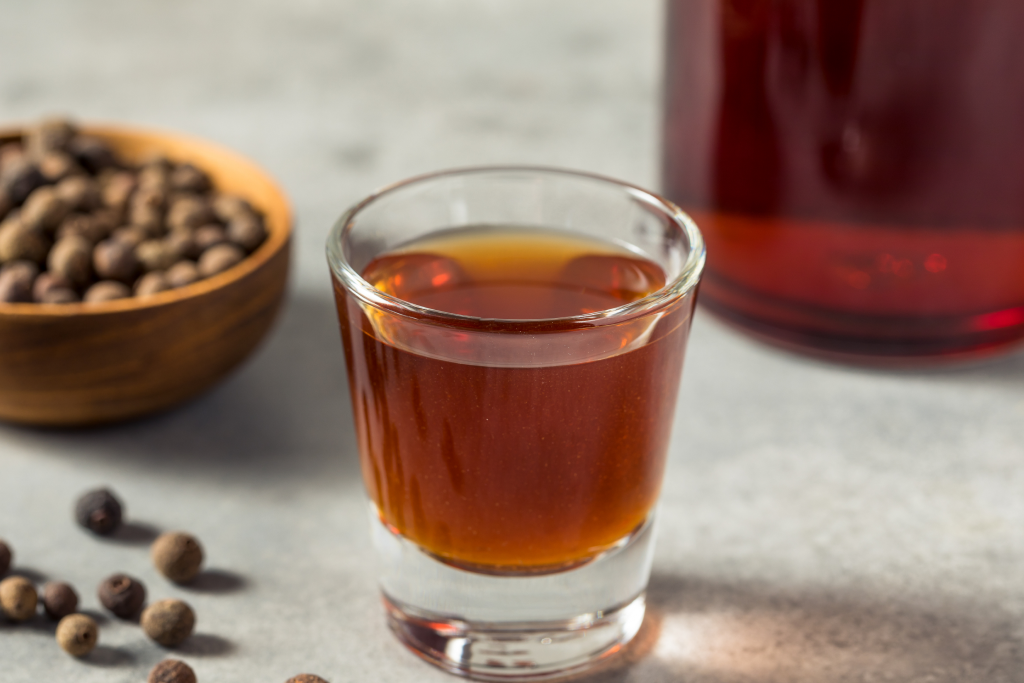
Black pepper oleoresin - produced from Piper nigrum dried berries - serves two distinct commercial markets simultaneously and is specified completely differently for each. In the food industry, black pepper extract is a spice flavouring standardised primarily to its volatile oil content (which carries the aromatic peppery character) and its total oleoresin yield. In the dietary supplement industry, the same botanical yields piperine extract - the alkaloid compound responsible for black pepper's characteristic pungency and, more importantly in the supplement context, its ability to enhance the bioavailability of co-administered nutraceuticals and drugs by inhibiting phase-II metabolism and intestinal P-glycoprotein efflux.
Discover the Right Extraction System for Your Needs
A correctly specified pepper oleoresin for food flavouring and a correctly specified piperine extract for supplement use are not the same product - they have different standardisation markers, different extraction processes, different quality specifications, and different regulatory frameworks. Treating them as interchangeable on a purchase order is a common and consequential specification error that results in either underpowered food flavour (from a piperine-concentrated supplement-grade extract) or unsupported bioavailability claims (from a volatile-oil-dominant food-grade oleoresin with low piperine content).
Black Pepper Oleoresin: Food vs Supplement Specification
Parameter | Food-Grade Pepper Oleoresin | Supplement-Grade Piperine Extract |
Primary standardisation marker | Volatile oil content 20–30% v/w | Piperine content min. 95% (typically 95–99% HPLC) |
Piperine content | 35–55% - sufficient for pungency in food systems | 95–99% - concentrated piperine for bioavailability use |
Volatile oil | 20–30% v/w - carries aromatic 'pepper' character | 0–5% - stripped to concentrate piperine |
Extraction method | Hexane, ethanol, or CO2 | Ethanol extraction + crystallisation/chromatographic purification |
Regulatory framework | EU 1334/2008 natural flavouring; FEMA GRAS 2842 | Food supplement ingredient; DSHEA (USA); EU Food Supplement Directive |
Labelling | 'Black pepper extract' or 'pepper oleoresin' in ingredient list | 'Black pepper extract (piperine 95%)' or BioPerine (patented grade) |
Typical application | Meat seasonings, sauces, snack seasoning, ready meals | Bioavailability enhancement in multi-ingredient supplements |
Sources: ISO 959-2:1998 - Black Pepper Essential Oil | Shoba G. et al., Planta Medica 1998 - Piperine bioavailability enhancement | Sabinsa Corporation - BioPerine piperine patent overview
Piperine: The Bioavailability Enhancer
Piperine's bioavailability-enhancing property was documented in the landmark Shoba et al. 1998 study (Planta Medica), which found that co-administration of 20 mg piperine with curcumin increased curcumin serum levels by 2,000% in humans. The mechanism involves inhibition of hepatic and intestinal glucuronidation (UDP-glucuronosyltransferase), inhibition of intestinal P-glycoprotein efflux transport, and modulation of CYP3A4 metabolic enzyme activity - all of which normally reduce oral bioavailability of many lipophilic compounds.

In commercial supplement formulation, piperine extract at 5–20 mg per dose is co-formulated with curcumin, coenzyme Q10, quercetin, resveratrol, and other compounds with documented poor oral bioavailability. The effect is compound-specific - piperine enhances bioavailability of some drugs and supplements but also has the potential to increase exposure to co-administered prescription medications. Supplement labels specifying piperine or BioPerine should carry appropriate advice about co-administration with prescription drugs.
Whether specifying food-grade pepper oleoresin or supplement-grade piperine, the SCFE or CO2 extraction route, analytical validation documentation, compound standardisation method, and sustainable sourcing declaration are the four core supplier qualification criteria.
Black Pepper Extract in Food Applications
Food-grade black pepper extract in seasoning, sauce, and processed meat applications requires primarily its volatile oil fraction (beta-caryophyllene, sabinene, alpha-pinene, limonene - carrying the fresh, green, woody aromatic pepper character) and a sufficient piperine fraction to deliver the characteristic pungency. Black pepper oleoresin in food is used at 0.05–0.3% in seasoning blends, replacing ground pepper powder with the same advantages as other spice oleoresins: standardised potency, low microbiological load, and easier handling at manufacturing scale. CO2-extracted black pepper oleoresin retains the highest piperine content and most complete volatile profile.
Frequently Asked Questions
What is black pepper oleoresin and how does it differ from ground black pepper?
Black pepper oleoresin is produced by hexane, ethanol, or CO2 extraction of dried Piper nigrum berries, yielding a concentrated material containing both the volatile essential oil fraction (aromatic sesquiterpenes) and the non-volatile piperine alkaloid fraction (35–55% piperine in food-grade grades). Compared to ground black pepper powder (typically 5–8% piperine, variable volatile content, high microbiological load), black pepper oleoresin offers: standardised piperine potency, low microbiological count, 1 kg oleoresin replacing 15–20 kg powder in seasoning systems, and longer shelf life under nitrogen storage.
What is piperine extract and what is the standard specification?
Piperine extract is a highly purified black pepper alkaloid concentrate, typically produced by ethanol extraction of black pepper oleoresin followed by crystallisation or chromatographic purification to achieve 95–99% piperine content by HPLC. It is used in dietary supplement formulation as a bioavailability enhancer. The standard specification is: piperine content minimum 95% (HPLC), appearance (yellow crystalline powder or pale yellow to tan fine powder), melting point 128–130°C, loss on drying maximum 2%, heavy metals within pharmaceutical limits, and GMP manufacturing certification.
What is BioPerine and how does it relate to piperine extract?
BioPerine is a patented piperine extract brand from Sabinsa Corporation, standardised to minimum 95% piperine by HPLC. The BioPerine trademark covers a specific quality and purity specification with additional clinical documentation - the Shoba et al. 1998 study that established piperine's bioavailability enhancement mechanism used BioPerine. Non-patented piperine extract at 95%+ piperine HPLC is commercially equivalent in composition but does not carry the BioPerine patent documentation. Some supplement brands specify BioPerine by name for marketing and patent documentation reasons; generically specified 95% piperine extract is functionally equivalent.
How much piperine is in black pepper oleoresin for food use?
Food-grade black pepper oleoresin (pepper oleoresin for seasoning and sauce applications) typically contains 35–55% piperine by HPLC in addition to 20–30% v/w volatile oil. This piperine concentration is appropriate for food pungency function at typical food use levels (0.05–0.3% in seasoning). It is not sufficient for supplement bioavailability enhancement claims, which require 95%+ piperine extract at 5–20 mg per dose. The food-grade oleoresin and supplement-grade piperine extract are different products despite both being derived from the same Piper nigrum source.
Is black pepper extract permitted in organic products?
CO2-extracted black pepper oleoresin from organically certified Piper nigrum qualifies for organic ingredient certification under EU Organic Regulation 2018/848 and USDA NOP. Hexane-extracted pepper oleoresin cannot achieve organic certification. For food-grade organic applications, CO2 extraction is the required method. For supplement-grade piperine extract with organic certification: CO2 extraction followed by approved purification methods is the appropriate route, though the high-purification processing required to reach 95%+ piperine may limit organic certification eligibility depending on the processing aids used.