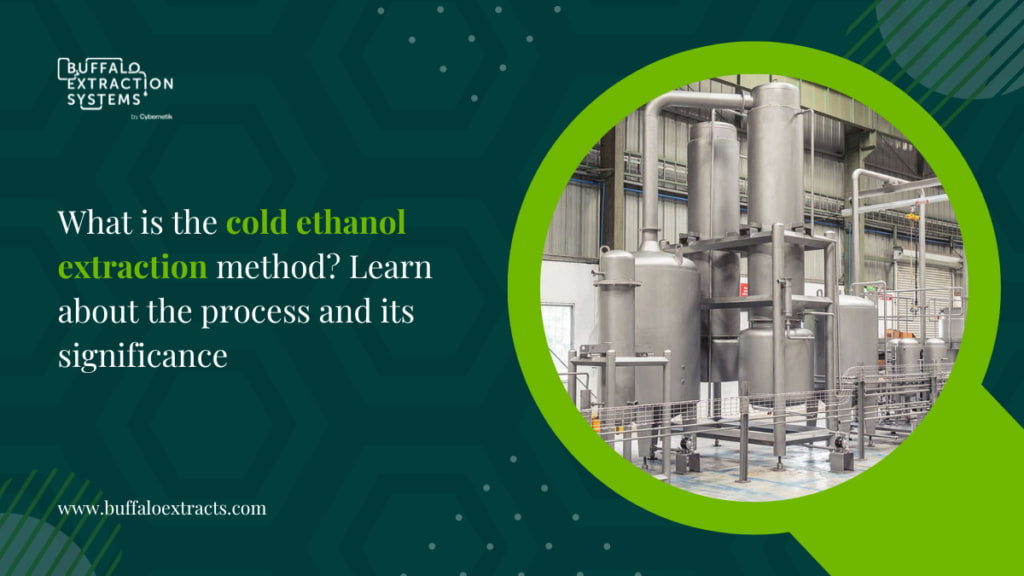
What Is the Cold Ethanol Extraction Method?
The cold ethanol extraction method is a solvent-based technique that uses ethanol chilled to roughly -40°C to -50°C to separate cannabinoids, terpenes, and other valuable compounds from plant material. It is one of the most widely adopted approaches for producing cannabis-based oils, tinctures, and concentrates because it balances throughput, product quality, and operational simplicity. The defining feature is temperature: keeping the ethanol extremely cold is what makes this ethanol extraction method so effective.
Why Cold Matters in the Ethanol Extraction Method
Ethanol at room temperature is a powerful but indiscriminate solvent - it dissolves chlorophyll, waxes, and lipids alongside the target compounds. Chilling it changes the chemistry in two important ways:
Selectivity: cold ethanol largely leaves chlorophyll, waxes, and plant lipids behind in the biomass, so the extract is cleaner and needs far less winterization downstream
Preservation: low temperatures prevent thermal degradation of heat-sensitive cannabinoids and terpenes, protecting potency, aroma, and the entourage effect
This is why the technique is also called cryogenic ethanol extraction - the cryogenic temperatures are the entire point. Buffalo Extraction Systems' article on the benefits of cryogenic ethanol extraction explores the underlying chemistry in greater depth.
The Cold Ethanol Extraction Process Step by Step
- Material preparation: plant material is selected, dried, and finely ground so the solvent can penetrate evenly
- Chilling: ethanol is cooled to roughly -40°C to -50°C, the core step that defines the cold ethanol extraction method
- Extraction: chilled ethanol washes the biomass, dissolving cannabinoids, terpenes, and flavonoids while leaving waxes behind
- Filtration: the ethanol-extract mixture is filtered to remove spent plant solids
- Solvent recovery: ethanol is evaporated off via falling-film or rotary evaporation and recycled for the next batch
- Purification: optional distillation or chromatography refines the crude oil to the target spec
- Final product: the concentrate is formulated into oils, tinctures, edibles, or vape cartridges
Each stage is repeatable and scalable, which is why the ethanol extraction method suits both artisanal and industrial operations.
Cold Ethanol Extraction vs Other Methods
|
Factor |
Cold Ethanol Extraction |
Hydrocarbon (Butane) |
Supercritical CO2 |
|---|---|---|---|
|
Solvent temperature |
-40°C to -50°C |
Ambient to chilled |
35-60°C |
|
Co-extracted waxes |
Minimal (cold rejects them) |
Variable |
Low |
|
Solvent safety |
GRAS - ICH Q3C Class 3 |
Flammable, ATEX zones |
Non-toxic, non-flammable |
|
Throughput |
High |
Moderate |
Moderate |
|
Post-processing |
Light winterization |
Heavier |
Minimal |
|
Scalability |
Excellent |
Limited |
Excellent |
Key Benefits of Cryogenic Ethanol Extraction
Compound preservation: low temperatures protect delicate cannabinoids and terpenes from degradation
Terpene retention: better aroma and flavor fidelity, supporting the entourage effect
Full-spectrum capture: extracts a broad cannabinoid profile, major and minor
Regulatory fit: ethanol is GRAS (FDA) and well-understood by food and pharmaceutical regulators
Scalability and consistency: repeatable results from boutique batches to commercial volumes
Environmental profile: ethanol is biodegradable and recoverable, and cold operation is energy-efficient versus heat-driven methods
Buffalo Extraction Systems' comparison of the advantages of cryogenic ethanol extraction and SCFE sets these benefits against supercritical CO2 for producers choosing between the two.
Applications and Product Range
The cold ethanol extraction method underpins a wide product range - crude oil for further refinement, winterized oils, distillates, tinctures, vape concentrates, and full-spectrum cannabis oils. For medical cannabis producers, the method's ability to deliver accurately dosed, standardized, full-spectrum extracts is especially valuable. Its scalability means a single technology platform can grow with the business.
Applications and Product Range of Cold Ethanol Extraction
The cold ethanol extraction method supports a broad spectrum of finished products, which is a large part of its commercial appeal. From a single technology platform, producers can move crude extract downstream into a wide range of formats:
Crude oil: the base extract used as a starting point for further refinement
Distillates: highly refined, high-potency concentrates produced through distillation
Tinctures: alcohol-based preparations valued for accurate, convenient dosing
Vape concentrates and full-spectrum oils: products that retain a broad cannabinoid and terpene profile
This versatility means a producer can serve several market segments without investing in separate extraction technologies. For medical applications in particular, the method's ability to deliver standardized, accurately dosed, full-spectrum extracts is especially valuable. Buffalo Extraction Systems' overview of cannabis oil extraction equipment shows how the cold ethanol extraction method fits a complete production line.
Factors That Affect Cold Ethanol Extraction Quality
The quality of output from the cold ethanol extraction method depends on several controllable factors, and managing them well is what produces a clean, consistent extract:
Solvent temperature: holding the ethanol at roughly -40°C or below is the defining variable - it determines how effectively waxes and lipids are rejected
Contact time: the duration that the chilled ethanol washes the biomass affects both yield and selectivity
Biomass preparation: properly dried and milled material allows the solvent to penetrate evenly
Solvent recovery efficiency: effective evaporation keeps residual ethanol within accepted limits under ICH Q3C Class 3 solvent guidance
Because these variables are measurable and repeatable, the ethanol extraction method delivers the consistency that commercial producers require. Buffalo Extraction Systems' overview of the benefits of cryogenic ethanol extraction explains how each factor shapes the final product.
Cold Ethanol Extraction in Commercial Production
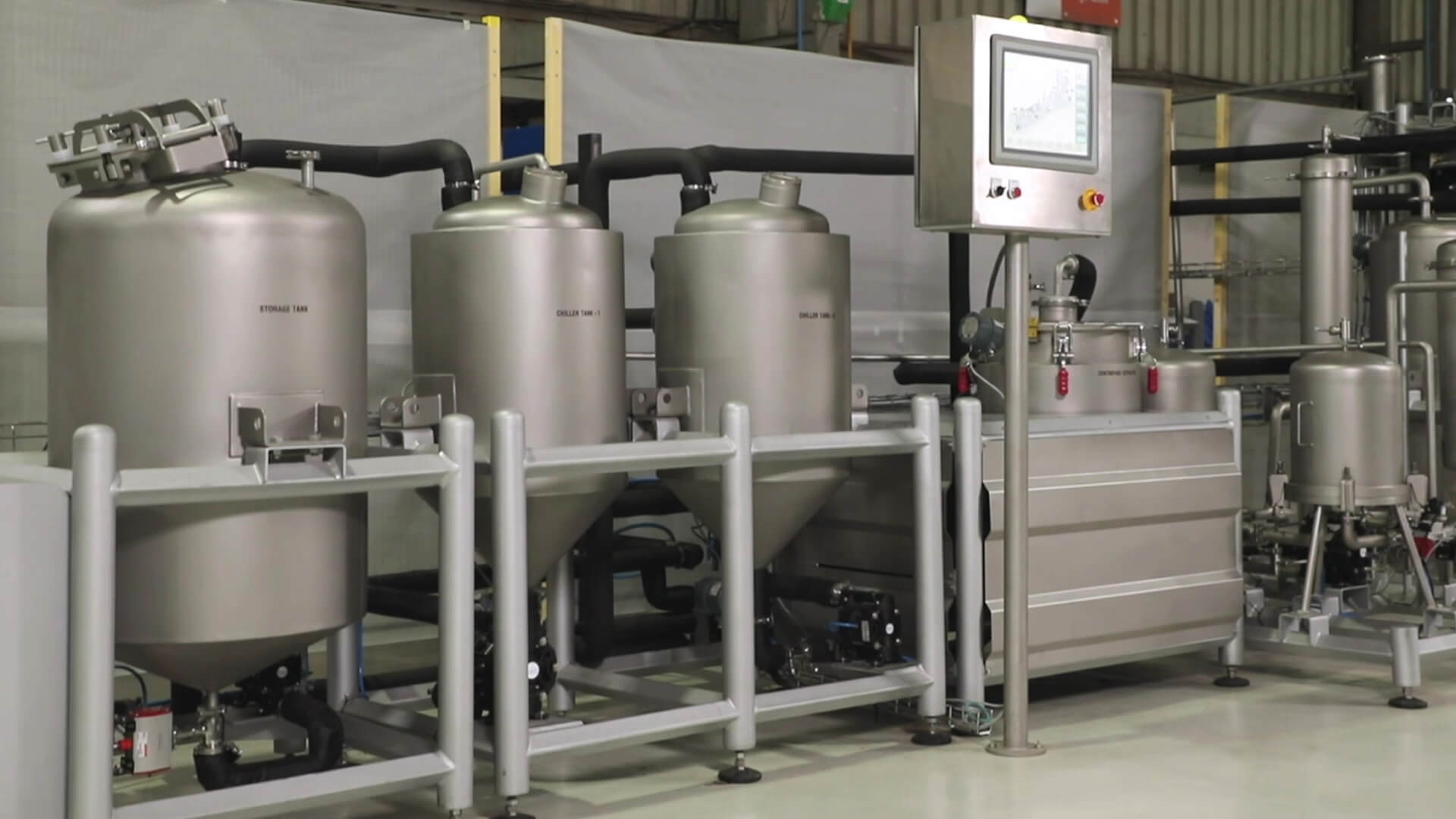
What makes the cold ethanol extraction method so widely adopted at a commercial scale is the combination of speed and simplicity. Unlike methods that require lengthy cycles, cryogenic ethanol extraction can complete a batch in minutes, dramatically increasing throughput for high-volume operations. The method also scales smoothly: the same underlying process serves a boutique producer and a large industrial facility, so a business can grow without switching technologies.
There are practical considerations too. Ethanol must be recovered and recycled efficiently to control operating costs, and because ethanol is flammable, facilities require proper ventilation and, where applicable, explosion-rated zones. Carefully managed, these requirements are routine - and the payoff is a fast, scalable, regulatory-friendly process. Buffalo Extraction Systems' comparison of the advantages of cryogenic ethanol extraction and SCFE helps producers weigh cold ethanol against supercritical CO2, while its guidance on the medical cannabis extraction business shows how the method fits a compliant commercial operation.
Conclusion
The cold ethanol extraction method has become a default choice for cannabis and botanical processors because it solves several problems at once - clean extracts, preserved potency, a regulatory-friendly solvent, and proven scalability. By chilling ethanol to cryogenic temperatures, producers reject unwanted waxes and chlorophyll at the source while protecting the compounds that define product quality. For operations weighing an ethanol extraction method against hydrocarbon or CO2 routes, cold ethanol offers a compelling balance of throughput, safety, and output quality.
Frequently Asked Questions (FAQ)
Q1. What is the cold ethanol extraction method?
The cold ethanol extraction method uses ethanol chilled to roughly -40°C to -50°C as a solvent to pull cannabinoids, terpenes, and other compounds from plant material. The deep cold prevents unwanted waxes, lipids, and chlorophyll from dissolving, yielding a cleaner extract that requires less post-processing.
Q2. Why is ethanol chilled for cold ethanol extraction?
Chilling ethanol reduces its ability to dissolve undesirable compounds - chlorophyll, waxes, and plant lipids stay locked in the biomass while cannabinoids and terpenes dissolve readily. Cold operation also protects heat-sensitive compounds from degradation, preserving potency and flavor.
Q3. Is cold ethanol extraction the same as cryogenic ethanol extraction?
They refer to the same general approach. Cryogenic ethanol extraction simply emphasizes the very low solvent temperatures involved. Both describe chilling ethanol well below 0°C - typically to -40°C or colder - before contacting it with plant material.
Q4. Is ethanol extraction safe for cannabis and food products?
Yes. Ethanol is generally recognized as safe (GRAS) and is widely used across the food and pharmaceutical industries. Residual ethanol is controlled under ICH Q3C as a low-toxicity Class 3 solvent, and proper solvent recovery brings finished extracts well within accepted limits.
Q5. What products are made with the cold ethanol extraction method?
Cold ethanol extraction produces crude oils, distillates, tinctures, vape concentrates, edible bases, and full-spectrum cannabis oils. Its scalability makes it suitable for both boutique producers and large commercial facilities seeking consistent, repeatable output.
|
Scale up with a cryogenic ethanol extraction system. Buffalo Extraction Systems engineers cryo-ethanol extraction platforms from pilot to industrial scale, with automated solvent recovery and consistent batch output. → Discuss your extraction project: buffaloextracts.com |