
Why the Cryogenic Ethanol Extraction Method Matters
In the cannabis and hemp industry, the cryogenic ethanol extraction method has emerged as a transformative technique. It operates at ultra-low temperatures - typically below -40°C - to preserve the delicate blend of cannabinoids and terpenes within the plant matrix. The promise is significant: premium-quality extracts, batch times measured in minutes, and often the elimination of a separate winterization step. But success with cryogenic ethanol extraction depends on a careful examination of several critical factors before investing.
How the Cryogenic Ethanol Extraction Process Works
The cryogenic ethanol extraction process is built on a simple principle: chilling ethanol changes what it dissolves. At ultra-low temperatures, ethanol readily dissolves cannabinoids and terpenes while leaving waxes, lipids, and chlorophyll behind in the biomass. The process chills the ethanol below -40°C, washes it through prepared plant material, filters out spent solids, recovers the ethanol by evaporation for reuse, and refines the concentrate. Ethanol's status as a GRAS substance and a low-toxicity ICH Q3C Class 3 solvent makes it well understood by regulators. Buffalo Extraction Systems' overview of cryogenic ethanol extraction and its benefits explains the chemistry in more depth.
6 Factors to Consider Before Choosing the Ethanol Extraction Method
Before adopting the cryogenic ethanol extraction method, six factors determine whether the investment will succeed:
- Equipment quality and compatibility: the cryogenic ethanol extraction unit must be built for ultra-low temperatures and fully ethanol-compatible, with components that withstand the cold without losing structural integrity
- Safety protocols and compliance: ultra-low temperatures carry inherent risks - rigorous protocols, trained personnel, ventilation, and PPE are essential
- Quality of starting material: well-cured, high-quality plant material directly shapes the cannabinoid and terpene profile of the final extract
- Extraction efficiency and throughput: balance product quality against processing time, throughput, and the energy cost of maintaining cryogenic temperatures
- Post-processing requirements: the method often skips winterization, but filtration and refinement steps still need planning
- Cost analysis and ROI: weigh the upfront cryogenic ethanol extraction unit investment against operating costs, maintenance, and the market value of the output
Buffalo Extraction Systems' look at the economic viability of an extraction method expands on the cost and ROI analysis.
Key Advantages of the Cryogenic Ethanol Extraction Method
|
Advantage |
What It Delivers |
|---|---|
|
Speed |
Batch times reduced to minutes via low-temperature extraction |
|
Compound preservation |
Ultra-low temperatures protect delicate cannabinoids and terpenes |
|
Reduced post-processing |
Often eliminates a separate winterization step |
|
Full-spectrum capture |
Extracts a broad cannabinoid and terpene profile |
|
Scalability |
Adapts from boutique batches to commercial production |
These USPs - purity, speed, and minimal post-extraction - are why the ethanol extraction procedure has gained such traction. Tapping into them, however, requires the careful consideration of the six factors described.
Choosing the Right Cryogenic Ethanol Extraction Unit
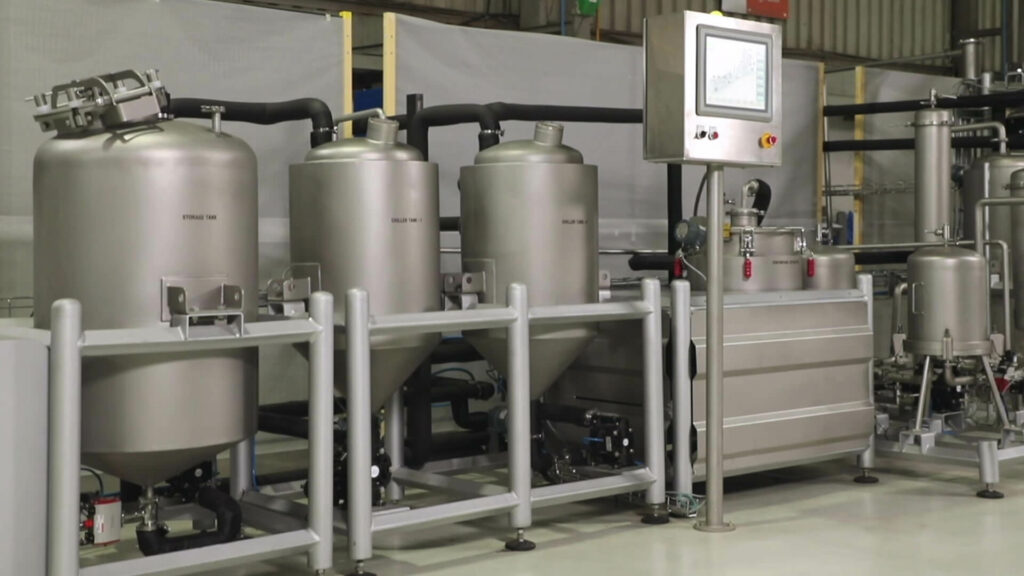
A specialized cryogenic ethanol extraction unit calls for considerable upfront investment, which makes a detailed ROI analysis essential. The right unit pairs cold-resistant engineering with efficient solvent recovery and an intuitive control system. Buffalo Extraction Systems engineers cryo-ethanol systems across pilot, commercial, and industrial scales - an overview of the advantages of cryogenic ethanol extraction and SCFE helps producers weigh cryo-ethanol against supercritical CO2.

Post-Processing After Cryogenic Ethanol Extraction
One of the defining advantages of the cryogenic ethanol extraction method is how much post-processing it eliminates. Because the ethanol is chilled below -40°C, waxes, lipids, and chlorophyll largely stay locked in the biomass rather than dissolving into the extract. This means the dedicated winterization step required by warmer extraction methods is often unnecessary - a significant saving in time, equipment, and energy.
That said, the cryogenic ethanol extraction process does not remove the need for post-processing entirely. Several steps still shape the final product. Solvent recovery, typically by falling-film or rotary evaporation, removes and recycles the ethanol. Filtration clears any remaining particulates. Depending on the target product, further refinement such as distillation or decarboxylation may follow, converting and concentrating the crude extract into distillate, isolate, or finished oil.
Planning this post-processing chain is part of evaluating the method honestly. Each step carries cost, time, and equipment requirements that belong in the overall assessment. The advantage of the ethanol extraction procedure is not that post-processing disappears, but that it is meaningfully reduced - a lighter, faster downstream workflow that lowers cost per batch and shortens the path from raw biomass to a market-ready product.
Cryogenic Ethanol Extraction vs Other Methods
Producers weighing the ethanol extraction method against alternatives benefit from a clear comparison of how cryogenic ethanol stacks up:
- Versus supercritical CO2: cryogenic ethanol offers faster batch times and a lower equipment entry cost, while CO2 offers solvent-free output and finer selectivity
- Versus hydrocarbon extraction: cryogenic ethanol uses a GRAS solvent and avoids the strict explosion-proof facility requirements that hydrocarbon systems demand
- Versus room-temperature ethanol: the cryogenic approach rejects waxes and chlorophyll at the source, cutting post-processing that warm ethanol would require
No single method is universally best - the right choice depends on product goals, budget, throughput needs, and regulatory context. What makes the cryogenic ethanol extraction method so widely adopted is its balance: high throughput, strong compound preservation, a well-understood solvent, and proven scalability across boutique and commercial operations.
Safety and Compliance in the Cryogenic Ethanol Extraction Process
Operating the cryogenic ethanol extraction process responsibly means treating safety as a core design requirement, not an afterthought. Ethanol is flammable, and the ultra-low temperatures involved introduce additional hazards - cold burns, material embrittlement, and condensation risks. A sound operation addresses these through proper facility ventilation, explosion-rated electrical zones where required, emergency response planning, and personal protective equipment suited to cryogenic work. Equally important is regulatory compliance: the cryogenic ethanol extraction unit and its surrounding processes must meet local and national standards for solvent handling and worker safety. Producers who build safety and compliance into the operation from day one avoid the shutdowns, fines, and reputational damage that can otherwise undermine the entire investment.
Conclusion
The cryogenic ethanol extraction method offers a compelling combination of speed, purity, and reduced post-processing - a genuine step forward for cannabis and hemp producers seeking premium results. But realizing that promise depends on the six factors: equipment quality, safety, starting material, efficiency, post-processing, and a clear-eyed cost and ROI analysis. Producers who weigh the ethanol extraction procedure carefully against these considerations, and invest in a well-engineered cryogenic ethanol extraction unit, position themselves to capture the method's full value and build a competitive, future-ready operation.
Frequently Asked Questions
Q1. What is the ethanol extraction method?
The ethanol extraction method uses ethanol as a solvent to dissolve and separate target compounds - cannabinoids, terpenes, and other bioactives - from plant material. In its cryogenic form, the ethanol is chilled to ultra-low temperatures, typically below -40°C, to extract selectively while leaving waxes and lipids behind.
Q2. What is cryogenic ethanol extraction?
Cryogenic ethanol extraction is an ethanol extraction method performed at ultra-low temperatures, usually below -40°C. The deep cold preserves delicate cannabinoids and terpenes and prevents waxes and lipids from dissolving, producing a cleaner extract that often skips a separate winterization step.
Q3. How does the cryogenic ethanol extraction process work?
In the cryogenic ethanol extraction process, ethanol is chilled below -40°C, then washed through prepared plant material to dissolve target compounds. The mixture is filtered, the ethanol is recovered by evaporation and recycled, and the concentrate is refined - all in a fast cycle measured in minutes.
Q4. What should I check before choosing a cryogenic ethanol extraction unit?
Before choosing a cryogenic ethanol extraction unit, evaluate equipment quality and cold-temperature compatibility, safety protocols, starting-material quality, extraction efficiency and throughput, post-processing needs, and a full cost and ROI analysis. These six factors determine success with the method.
Q5. Does the ethanol extraction procedure need winterization?
Often not as a separate step. Because the cryogenic ethanol extraction procedure runs cold enough to leave waxes and lipids in the biomass, it can eliminate the dedicated winterization stage - though other post-processing steps such as filtration and refinement are still required.
|
Invest in a cryogenic ethanol extraction unit built for the cold. Buffalo Extraction Systems engineers cryo-ethanol extraction systems with cold-resistant construction and automated solvent recovery - pilot to industrial scale. → Discuss your extraction project: buffaloextracts.com |