Why Testing Your Raw Material Before Buying Extraction Equipment Saves You Money
A spec sheet describes a machine. It cannot describe your raw material, and your raw material is what actually determines your yield. Buyers who size a system from the spec sheet alone often discover, after commissioning, that their real-world output is lower than they planned, their system is the wrong size, or the recipe needs months of tuning they did not budget for. A trial on your actual material, before the purchase, closes that gap. It is one of the cheapest steps in a capital project and one of the most protective.
Why a spec sheet cannot tell you your yield
An extraction system specification tells you what the equipment can do: its pressure envelope, its throughput, its automation. What it cannot tell you is how much extract your particular biomass will give, because that depends on the material, not the machine. Two producers running identical systems on different materials, or even on different lots of the same material, can see very different yields. The spec sheet is necessary, but it is only half the picture.
How much yield actually varies
The range is wider than most first-time buyers expect. Extract yield depends on the botanical itself and on its condition. To take two real reference points, a material like ashwagandha may yield on the order of one to two percent extract, while an oil-rich material like coconut can yield seventy to eighty percent. Those are not small differences; they are two completely different plant economics. Even within a single botanical, yield shifts with variety, growing region, moisture, freshness and how finely the material is milled. Planning a capital purchase on a generic yield figure is planning on a number that may not be yours.
What a trial tells you that a spec sheet does not
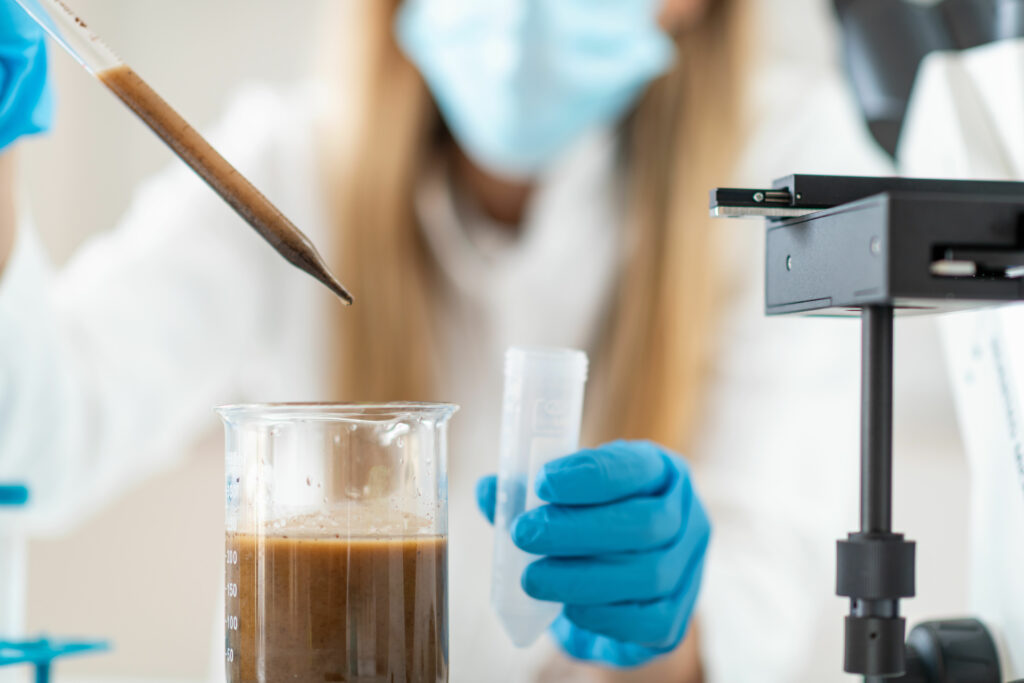
A physical trial on your own material answers the questions the spec sheet leaves open. It shows your actual yield on your actual biomass, not an industry average. It shows the quality and purity you can expect. It produces the working parameters, the pressure, temperature and run profile that suit your material, which becomes your starting recipe instead of months of trial and error. And it tells you the right system size for your real output, so you neither overbuy capacity you will not use nor underbuy and strangle your own growth. BES currently runs in-house trials on supercritical CO2, which is the method the trial validates for your material.
What you get back from a trial
A good trial is not just a yes-or-no on feasibility; it hands you the inputs for a confident purchase. On a BES Labs trial you receive a sample of the extracted material, a detailed yield report for your biomass, and, if you attend in person, a system and extraction walkthrough that shows exactly how your material behaves. An in-depth oleoresin analysis is available on request, carried out through an external testing facility. Taken together, these turn a purchase made against a brochure into a purchase made against evidence.
On timing, a domestic trial typically runs about two to three weeks from receiving your sample through to the report and walkthrough. International trials vary, because customs, import rules, logistics and travel plans all affect the schedule. The trial is a paid service, and the fee is adjusted against a later equipment purchase, so it works as a credit toward the system rather than a sunk cost.
How trial data makes you a better buyer
Trial results change the purchase conversation. With real yield and quality numbers for your material, you can size the system to your genuine output rather than to a hopeful estimate, which is where the largest savings sit, avoiding an oversized asset or a quickly outgrown one. You can specify the configuration you actually need, and you can enter supplier discussions with evidence rather than assumptions. A validated recipe from day one also shortens the gap between commissioning and saleable production, which has its own cash-flow value.
The raw-material variables that matter most
If you are preparing for a trial, the variables worth paying attention to are the ones that move yield and quality the most. Moisture content matters, because water interferes with extraction and most materials are dried to a target before processing. Particle size and milling affect how accessible the compounds are. Variety and growing origin change the active content you start with. Freshness and storage conditions affect degradation. And the active content of the specific lot sets the ceiling on what any method can recover. A trial captures the combined effect of all of these for your material.
How to prepare and send material for a trial
Preparing well makes the trial representative. Send a genuinely representative sample rather than your best-looking material, since the trial should reflect what you will actually process. Provide enough quantity for a meaningful run; a physical trial typically needs a sample on the order of ten kilograms or more, depending on the material and the tests planned. Share what you know about the material, its variety, origin, moisture and any certificate of analysis, and state the compound you are targeting. Then coordinate preparation and shipping details with the lab, since requirements vary by material. You can arrange this through run a trial at BES Labs.
How Buffalo Extraction Systems de-risks the decision
Buffalo Extraction Systems runs physical trials on a customer's own biomass through BES Labs, across a network of extraction and testing facilities, specifically so buyers can see real results before committing capital. The trial confirms your yield, your quality and your working parameters, and feeds them into system sizing and, where relevant, botanical and food applications planning. It turns a purchase made against a spec sheet into a purchase made against proven numbers. Explore our supercritical CO2 extraction systems and test your material before you decide.
Conclusion
The spec sheet tells you what a machine can do; only a trial on your own material tells you what you will get. Because yield varies enormously by material and even by lot, sizing a capital purchase without testing is a gamble with real money. A trial gives you your actual yield, your quality, your recipe and the right system size, and lets you buy on evidence instead of assumption. For a six- or seven-figure decision, it is the cheapest insurance you can buy.
Thinking about an extraction system? Request a Trial and see what your own material yields before you commit.
Frequently Asked Questions
Why should I test my raw material before buying an extraction system?
Because the spec sheet describes the machine, not your material, and your material determines your yield. A trial on your own biomass shows your actual yield, quality and working parameters, which lets you size the system correctly and buy on evidence rather than a generic estimate. For a capital purchase, it is low-cost protection against an expensive sizing mistake.
How much can extraction yield vary based on raw material quality and moisture content?
A great deal. Different materials have completely different yields, for example a material like ashwagandha may yield around one to two percent while an oil-rich material like coconut can yield seventy to eighty percent, and even within one botanical, yield shifts with moisture, variety, origin, freshness and milling. This is why a generic yield figure is an unreliable basis for a purchase.
What does a raw material variability test at a lab tell me that a spec sheet doesn't?
A spec sheet tells you the machine's capability; a trial tells you your material's behavior: the actual yield on your biomass, the quality and purity you can expect, the working parameters that suit it, and the right system size for your real output. It converts an assumption into measured numbers specific to what you will process.
Can I use trial extraction data to negotiate a better equipment purchase agreement?
Yes. Real yield and quality data for your material let you size the system to your genuine output rather than a hopeful estimate, specify only the configuration you need, and enter supplier discussions with evidence. That typically prevents overbuying or underbuying capacity, which is where the largest cost differences sit.
What variables in my raw material most affect CO2 extraction yield and quality?
Moisture content, particle size and milling, variety and growing origin, freshness and storage, and the active content of the specific lot. Each shifts how much of the target compound is present and how accessible it is. A trial captures the combined effect of all of them for your particular material.
How do I prepare and ship raw material for an extraction trial run?
Send a genuinely representative sample, not your best-looking material, in enough quantity for a meaningful run, typically on the order of ten kilograms or more depending on the material. Share the variety, origin, moisture and any certificate of analysis, state your target compound, and coordinate preparation and shipping with the lab, since requirements vary by material.