Why Cosmetic Formulators Are Moving to CO2 Extraction
Modern cosmetic chemistry has a purity problem to solve. Consumers want plant-derived ingredients, regulators want documented safety, and premium brands want actives that perform exactly as the botanical promises. CO2 extraction for cosmetics answers all three at once, because it produces concentrated plant extracts without leaving behind the chemical solvents that traditional methods rely on.
The appeal is straightforward. As formulation educators explain, plant material is extracted using supercritical carbon dioxide - a fluid held at a specific temperature and pressure so it behaves like common solvents such as acetone or ethyl acetate, but with the benefit of easily evaporating out, leaving behind no harmful residue. What remains is only the pure extract of the plant.
For cosmetic developers, that residue-free outcome is the entire point. CO2 extraction for cosmetics lets a brand make credible natural-source claims, satisfy clean-label expectations, and protect fragile actives - all from a single process. This guide explains how the method works, why CO2 extracts for skincare outperform solvent-extracted alternatives, and what manufacturers should weigh before specifying it.
The shift is also driven by what is happening at the formulation bench. As ingredient lists shorten and “free-from” positioning becomes a baseline expectation rather than a differentiator, brands need actives that can survive scrutiny from both regulators and increasingly informed consumers. An extract carrying documented solvent-free credentials gives the formulator a stronger starting point: fewer disclosures, cleaner labelling, and a story that holds up. That is why CO2 extraction for cosmetics has moved from a premium curiosity to a mainstream sourcing consideration across skincare, haircare, and colour cosmetics.
How CO2 Extraction Works
Carbon dioxide becomes a powerful, gentle solvent when it is pushed into its supercritical state. Industry technical guides describe the sequence: CO2 is pressurised and heated until it reaches a state where it exhibits both liquid and gas properties, then passed through the plant material to dissolve its beneficial compounds. A key advantage is selective extraction - the process can target specific compounds while leaving unwanted components behind, producing a highly concentrated and pure extract.
Three properties make the method ideal for cosmetic-grade output:
- Low temperature - the process runs cool, so heat-sensitive botanical actives are not degraded.
- No oxygen - extraction takes place in a virtually oxygen-free environment, limiting oxidation of delicate compounds.
- Clean separation - once pressure is released, the CO2 reverts to gas and leaves the extract completely, with no solvent residue.
The temperature point matters. Pai Skincare notes that the process can take place at around 30°C without thermal stress and without organic solvents, and that because CO2 is chemically inert, the extraction happens in a virtual vacuum with no oxygen present - conditions that are particularly important for fragile ingredients.
Why CO2 Extracts for Skincare Outperform Solvent Extraction
Traditional solvent extraction uses hydrocarbons such as hexane or butane to dissolve plant compounds. It is effective and inexpensive, but it leaves a compliance burden - residual solvent must be removed and tested. Specialist suppliers point out that CO2 extraction is a safe, clean, and highly versatile method with minimal extraction times, higher yields, and lower energy consumption, and that it avoids flammable petrochemicals altogether - removing both explosion risk and the chance of petroleum-based residue in the final concentrated extract.
For skin-contact products, purity is not a marketing nicety - it is a formulation requirement. CO2 extracts for skincare carry no synthetic residue, which means a brand can position a serum, balm, or face oil as genuinely clean-label without an asterisk. The extract is also more potent: because the cool, oxygen-free process preserves the full active fraction, less material is needed to hit a performance specification.

CO2 extracts for skincare are oil-soluble, which makes them straightforward to incorporate into anhydrous formats - facial oils, balms, and oil-phase emulsions - where they deliver concentrated botanical actives directly to the skin.
There is a commercial dimension too. A residue-free extract removes an entire layer of quality-control testing that solvent-extracted material demands, and it shortens the documentation trail a brand must maintain to support a natural-source claim. For contract manufacturers serving multiple cosmetic clients, that simplification compounds: one clean process can supply face oils, serums, and balms across several brands without separate residual-solvent protocols for each. The higher potency of the extract also improves formulation economics, because a smaller inclusion rate achieves the same on-skin performance - an advantage that partly offsets the higher cost of the extraction equipment itself.
CO2 Extraction vs Solvent Extraction: Side-by-Side
Factor | Solvent Extraction | CO2 Extraction |
Solvent used | Hexane, butane, or similar hydrocarbons | Carbon dioxide (CO2) |
Residue | Residual solvent requires removal and testing | None - CO2 evaporates completely |
Operating temperature | Varies; can involve heat | Low (around 30°C) |
Oxidation risk | Higher - oxygen present during processing | Low - oxygen-free environment |
Active-compound integrity | Heat- and oxygen-sensitive actives at risk | Fragile botanical actives well preserved |
Selectivity | Limited - broad, less targeted | High - specific compounds can be targeted |
Safety | Flammable petrochemicals involved | Non-flammable, inert CO2 |
Clean-label suitability | Requires residual-solvent disclosure | Strong natural and residue-free credentials |
The pattern is consistent across the cosmetics ingredient sector: as ingredient specialists describe it, CO2 extraction uses carbon dioxide under high pressure and low temperatures to preserve the integrity of the plant’s active components, and unlike methods that use harsh solvents, the result is a purer, more potent extract.
What Manufacturers Should Weigh Before Specifying CO2 Extraction
CO2 extraction is the cleanest route to botanical actives, but it is a capital decision, not a default. Cosmetic manufacturers and contract producers should weigh several practical factors:
- Equipment investment - supercritical CO2 systems carry a higher up-front cost than solvent rigs and require trained operators.
- Target botanicals - the method delivers the greatest advantage on delicate, high-value plant material where heat or solvent residue would compromise the actives.
- Scale matching - pilot, commercial, and industrial platforms differ; the system should match planned batch volumes.
- Parameter control - repeatable pressure and temperature recipes are what keep botanical actives consistent batch to batch.
- Compliance and certification - hygienic, food-grade construction and recognised standards support cosmetic-market and export requirements.
Where Buffalo Extraction Systems Fits In
Buffalo Extraction Systems is an extraction-equipment manufacturer that engineers supercritical CO2 extraction systems for producers of cosmetic-grade botanical ingredients. For brands and contract manufacturers building capacity to supply clean-label actives, the company’s role sits on the equipment side of the decision:
- Scale-matched CO2 systems - pilot, commercial, and industrial platforms for botanicals across active-ingredient, fragrance, and skincare categories.
- Solvent-free output - CO2 evaporates completely after extraction, supporting credible natural-source and residue-free claims for skin-contact products.
- Hygienic, food-grade construction - stainless steel contact surfaces and cGMP-aligned design for regulated cosmetic manufacturing.
- Precise parameter control - automation that locks repeatable temperature and pressure recipes per botanical, so batches stay consistent.
- Certification-ready engineering - systems built to recognised international standards for export-market access.
Manufacturers can also review how the method compares with mechanical alternatives in this overview of CO2 extraction vs cold-pressed extraction, and explore supercritical CO2 extraction equipment for high-purity output.
Conclusion
CO2 extraction for cosmetics is no longer a niche choice - it is becoming the reference standard for brands that take ingredient purity seriously. The method delivers concentrated botanical actives with no solvent residue, protects fragile compounds through a cool, oxygen-free process, and gives formulators a credible foundation for clean-label claims. For brands choosing how to source their highest-tier ingredients, and for manufacturers selecting which botanical extracts to prioritise, the decision increasingly favours the cleanest route. Solvent-free CO2 extracts for skincare are the technical foundation of the next generation of cosmetic actives.
Frequently Asked Questions
What is CO2 extraction for cosmetics?
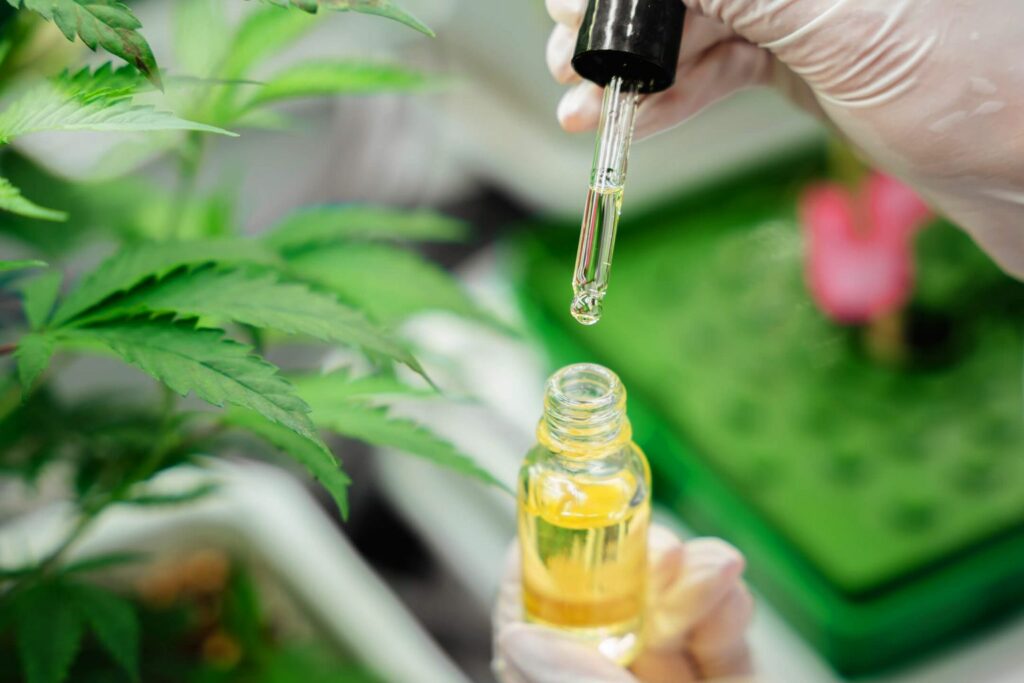
It is a method that uses pressurised carbon dioxide to draw botanical actives from plant material at low temperature. The CO2 evaporates completely afterwards, leaving a pure, solvent-free extract.
Are CO2 extracts for skincare safe?
Yes. Because CO2 leaves no chemical residue and the process is non-flammable and oxygen-free, CO2 extracts for skincare are well suited to skin-contact products and clean-label formulations.
How is CO2 extraction different from solvent extraction?
Solvent extraction uses hydrocarbons such as hexane that leave residue requiring removal and testing. CO2 extraction leaves no residue and better preserves heat-sensitive botanical actives.
Do CO2 extracts retain more active compounds?
Generally yes. The cool, oxygen-free process limits heat damage and oxidation, so a larger share of the plant’s active fraction survives into the finished extract.
Which cosmetic products use CO2 extracts?
CO2 extracts are oil-soluble and are commonly used in facial oils, balms, serums, and oil-phase emulsions where concentrated botanical actives are delivered to the skin.