Why Ginger Oleoresin Is the F&B Industry's Answer to Consistent Heat
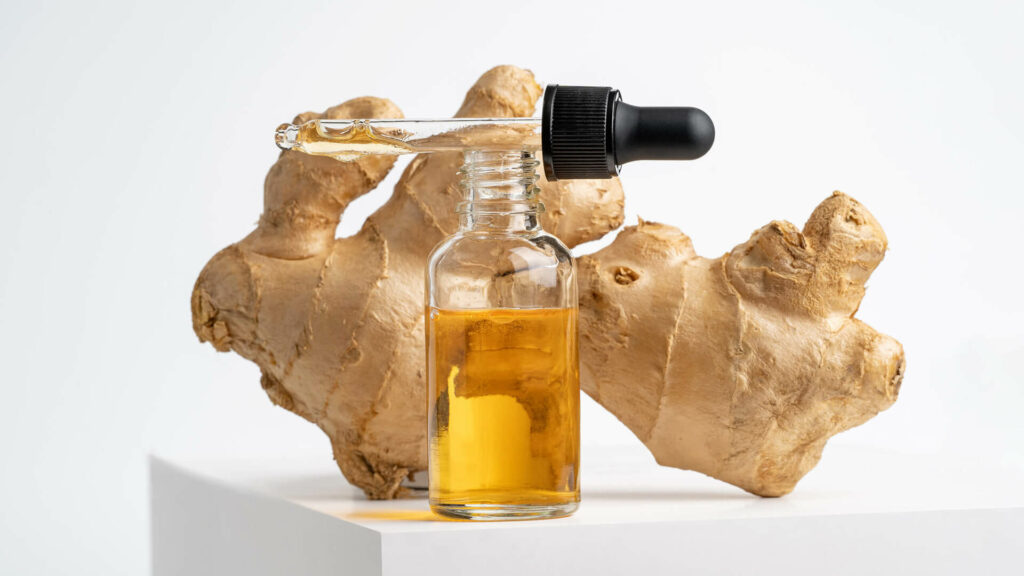
Ginger oleoresin is the standardised, concentrated liquid extract from Zingiber officinale rhizomes that delivers consistent, measurable pungency, aroma, and bioactive content to food and beverage applications at industrial scale. For any F&B manufacturer who has experienced batch-to-batch variation in a ginger-flavoured product - the hot sauce that tastes different in January than in August, the ginger beer whose heat varies between production runs - ginger oleoresin is the industrial solution. The active compounds in raw ginger rhizomes vary significantly by cultivar, growing region, harvest timing, and post-harvest handling. Ginger oleoresin standardised to capsaicin-equivalent or gingerol content delivers the same heat unit value on every batch.
How supercritical fluid extraction is transforming the food and beverage industry confirms that ginger is one of the spice categories where SC-CO2 extraction consistently outperforms conventional solvent routes on purity, residue status, and gingerol compound integrity - and this guide covers both the solvent and SC-CO2 routes in full process detail for F&B manufacturers evaluating their production options.
Ginger Oleoresin Composition: What F&B Manufacturers Need to Specify
Ginger oleoresin is a complex of three compound classes that must be specified separately because they have different extraction efficiency, different thermal stability, and different application value in food manufacturing:
- Gingerols (6-, 8-, 10-gingerol): the primary pungency compounds in fresh and carefully dried ginger. Mildly pungent, with a fresh, warm character. Thermally labile - they convert to the more pungent shogaols during prolonged drying above ~80°C or during cooking. Target compounds for nutraceutical and premium F&B applications where the fresh ginger bioactive profile is the claim basis.
- Shogaols (6-shogaol dominant): dehydration products of gingerols, formed on drying and heating. More pungent per unit weight than gingerols - approximately twice the heat intensity. The dominant pungency compounds in standard commercial ginger oleoresin because most industrial drying processes operate at temperatures and durations that convert a significant gingerol fraction to shogaols before extraction.
- Volatile terpenes (zingiberene, bisabolene, camphene, citral): the aromatic fraction. Captured by steam distillation into ginger essential oil; present in full-spectrum solvent or CO2 oleoresin. Responsible for ginger's fresh, citrus-spice aroma component distinct from its heat. Added back to some ginger oleoresin grades to deliver both aroma and pungency in a single ingredient.
Compound Class | Polarity | Extraction Method | Thermal Stability | F&B Application |
Gingerols (6-, 8-, 10-) | Moderately polar | Ethanol/water; SC-CO2 at 40°C/276 bar | Labile above 80°C - converts to shogaols | Nutraceutical; premium functional beverage; fresh-ginger-character products |
Shogaols (6-shogaol dominant) | Moderately polar | Ethanol/water; SC-CO2 | More stable than gingerols | Standard food-grade pungency; sauces; processed foods; confectionery |
Volatile terpenes | Non-polar | Steam distillation; SC-CO2 low pressure | Volatile - lost above 60°C with prolonged exposure | Aroma in beverages; full-spectrum oleoresin for authentic ginger character |
Fixed fatty acids (minor) | Non-polar | SC-CO2 or hexane | Stable | Minor flavour contributor; relevant to lipid analysis in oleoresin CoA |
The Ginger Oleoresin Production Process: Solvent Route
The ethanol solvent route is the standard industrial process for ginger oleoresin production and accounts for the majority of commercial ginger oleoresin supplied to the F&B industry. The best spice extraction method guide provides the decision framework for solvent vs SC-CO2 selection; this section details the solvent route process steps as a practical production guide.
Step 1 - Feedstock preparation: dried ginger rhizomes at 8–10% moisture are reduced to 20–40 mesh particle size. Coarser particles reduce solvent penetration and lower yield; finer particles cause filtration problems and increase solvent carry-through. Particle size is the most critical pre-processing variable for extraction yield in the solvent route.
Step 2 - Extraction: the milled ginger is loaded into an extraction vessel and contacted with food-grade ethanol (95% or denatured, depending on regulatory framework) at a liquid-to-solid ratio of typically 8:1 to 10:1 by weight. Extraction is conducted at ambient to 40°C for 4–6 hours with agitation. Higher temperature increases yield but accelerates gingerol-to-shogaol conversion - the temperature choice directly determines the gingerol/shogaol ratio in the finished oleoresin.
Step 3 - Filtration: the miscella (ethanol plus dissolved extract) is separated from the spent marc by plate-and-frame filtration or by decanting. The marc may be re-extracted once with fresh solvent to recover residual oleoresin.
Step 4 - Solvent recovery: the miscella is fed to a falling-film or thin-film evaporator operating under vacuum (60–80 mbar) at 40–55°C to recover the ethanol for reuse and concentrate the extract. Temperature control during this stage is critical - too high and shogaol formation accelerates; too low and evaporation rate is insufficient for industrial throughput.
Step 5 - Standardisation: the concentrated oleoresin is sampled for HPLC analysis of gingerol and shogaol content. Blending with either higher or lower-potency batches adjusts the finished oleoresin to the target specification. Commercial ginger oleoresin is typically standardised to total gingerol+shogaol content (combined) by HPLC, expressed as % by weight.
Step 6 - Packaging: the standardised oleoresin is filled into food-grade containers (typically aluminium or HDPE drums) under nitrogen purge to prevent oxidation. Ginger oleoresin should be stored at 4–15°C; above 25°C, gingerol conversion to shogaol accelerates during storage.

SC-CO2 Ginger Oleoresin: The Premium Production Route
SC-CO2 ginger oleoresin production applies supercritical CO2 as the extraction solvent at optimised conditions published and peer-reviewed in industrial-scale research. ScienceDirect research confirms the validated optimal conditions: 40°C, 276 bar (27.6 MPa), 253 μm mean particle size, 30 g/min CO2 flow rate, 153-minute extraction time - delivering 96.15% purity ginger oleoresin with 51.2 wt% of the major active compounds (6+8+10 gingerols and 6-shogaol combined), confirmed at 50-fold commercial scale.
The SC-CO2 process advantages over solvent extraction for F&B ginger oleoresin:
- Zero solvent residue: CO2 reverts to gas at ambient pressure, leaving no extractant residue in the finished oleoresin. This eliminates the residue testing obligation and the clean-label limitation that hexane-extracted ginger oleoresin carries.
- Gingerol profile protection: the 40°C SC-CO2 process temperature is significantly below the gingerol-to-shogaol conversion threshold, delivering an oleoresin with a higher gingerol fraction than ethanol extraction processes operating at higher temperatures.
- Fraction selectivity: pressure staging in the SC-CO2 separator system allows separate collection of the non-polar terpene fraction (at lower pressure) and the polar gingerol/shogaol fraction (at higher pressure) from a single extraction run - producing both ginger essential oil and ginger oleoresin as co-products.
- GRAS and organic processing eligible: SC-CO2 extraction is classified as a physical process by the FDA, FSSAI, and COSMOS, making SC-CO2 ginger oleoresin eligible for organic processing certification and GRAS flavour classification.
Supercritical fluid extraction process for spice extraction explains the full equipment configuration - extraction vessel, separator staging, CO2 recovery - for manufacturers evaluating SC-CO2 as the production route.
Ginger Oleoresin F&B Applications and Specifications
Application | Typical Addition Level | Required Grade | Key Quality Parameter |
Hot sauces and condiments | 0.05–0.5% by weight | Ethanol or SC-CO2 oleoresin | Total pungency standardisation (SHU or gingerol+shogaol %) |
Ginger beer and carbonated RTD | 50–200 ppm in finished beverage | SC-CO2 preferred (zero residue; label-clean) | Gingerol:shogaol ratio for fresh vs. sharp character; aroma fraction present |
Confectionery (ginger biscuits, crystallised ginger coatings) | 0.1–0.3% by weight | Ethanol oleoresin | Shogaol-dominant for heat stability through baking |
Instant soups and sauces | 0.05–0.2% in dry blend | Spray-dried oleoresin on maltodextrin carrier | Free-flowing powder; moisture <5%; pungency per gram confirmed |
Processed meats (sausages, marinades) | 0.02–0.15% by weight | Ethanol oleoresin | Pungency + aroma; no hexane residue for clean-label meat products |
Functional food and nutraceutical | 500–1,000 mg gingerol per serving | SC-CO2 standardised to gingerol content by HPLC | Gingerol content as primary standardisation marker (not total pungency) |
Enhancing extract purity: 100% food-grade standards in large-scale CO2 extraction provides the purity and documentation framework for ginger oleoresin supply to regulated food markets where residue testing, HPLC standardisation certificates, and allergen declarations must accompany every batch.
Where Buffalo Extraction Systems Fits In
Buffalo Extraction Systems manufactures the conveyorised biomass pre-processing line for ginger rhizome preparation. The system sorts, dries to 8–10% moisture at 65–70°C (Rotronic XB20 humidity control), and mills feedstock to the ~253 μm particle size that peer-reviewed SC-CO2 optimisation confirms as the extraction-contact target - the variable that determines gingerol yield above all others. Three capacity scales at 200, 500, and 1,000 kg/hr dry output. All contact surfaces SS304 food-grade. Sound below 70 dB.
Conclusion
Ginger oleoresin production is a process-engineering challenge as much as an extraction chemistry challenge. The gingerol-to-shogaol conversion that occurs during pre-processing (drying temperature) and during extraction (solvent temperature) means that every process parameter from the dryer temperature ceiling to the extraction vessel operating temperature determines the pungency profile of the finished oleoresin. F&B manufacturers specifying ginger oleoresin for applications that require a fresh gingerol character - functional beverages, premium condiments, nutraceuticals - must specify gingerol content by HPLC, not just total pungency. SC-CO2 at 40°C and 276 bar, with a 253 μm feedstock particle size, is the validated route to the highest gingerol-fraction oleoresin at commercial scale.
Frequently Asked Questions
What is ginger oleoresin and how does it differ from ginger essential oil?
Ginger oleoresin is a full-spectrum concentrated extract from Zingiber officinale rhizomes containing both the pungency fraction (gingerols, shogaols) and the volatile aromatic fraction (zingiberene, bisabolene, citral). Ginger essential oil contains only the volatile aromatic fraction, produced by steam distillation. For F&B applications requiring both heat and authentic ginger aroma, full-spectrum oleoresin is specified. For aroma-only applications (dairy flavouring, confectionery perfuming), ginger essential oil is used.
What is the difference between gingerols and shogaols in ginger oleoresin?
Gingerols (6-, 8-, 10-gingerol) are the primary pungency compounds in fresh ginger - mild, warming, fresh character. Shogaols are formed when gingerols are dehydrated by heat during drying or processing - approximately twice as pungent per unit weight, sharper character. Standard commercial ginger oleoresin from conventional drying and solvent extraction is shogaol-dominant. SC-CO2 oleoresin from carefully temperature-controlled feedstock retains a higher gingerol fraction - the specification of choice for nutraceutical and fresh-ginger-character F&B applications.
What are the validated SC-CO2 conditions for ginger oleoresin production?
Peer-reviewed and commercially validated at 50× commercial scale: 40°C, 276 bar (27.6 MPa), 253 μm mean particle size, 30 g/min CO2 flow rate, 153-minute extraction time. Result: 96.15% pure ginger oleoresin with 51.2 wt% combined major active compounds (6+8+10 gingerols and 6-shogaol). These conditions protect the gingerol fraction from thermal conversion while achieving commercial-scale extraction efficiency.
How should ginger oleoresin be standardised for F&B supply?
For food-grade pungency applications: total gingerol+shogaol content by HPLC (% by weight) plus Scoville Heat Unit (SHU) value as cross-check. For nutraceutical and functional food applications where bioactivity is the claim basis: gingerol content specifically (not total pungency) confirmed by HPLC with individual compound identification (6-, 8-, 10-gingerol separately). The CoA should confirm residual solvent (ethanol route) or confirm zero solvent residue (SC-CO2 route), plus microbial limits and heavy metals.
Why does drying temperature affect ginger oleoresin quality?
Gingerols begin converting to shogaols above approximately 80°C with extended exposure. Drying ginger rhizomes above this threshold produces feedstock with a higher shogaol and lower gingerol content before extraction begins - shifting the finished oleoresin toward the sharper, more pungent shogaol character regardless of the extraction method used. Controlled drying at 65–70°C with real-time humidity sensing (Rotronic XB20) delivers the 8–10% moisture target without crossing the gingerol conversion threshold, preserving the gingerol fraction that reaches the extraction stage.