The GMP Audit Is a Systematic Test of Whether Your Quality System Works in Practice, Not Just on Paper
A GMP audit extraction facility inspection is the most direct test of whether your quality system works in practice. Regulatory inspectors from FDA, EU national competent authorities, and WHO follow structured inspection approaches that assess the same fundamental elements in every facility: people, premises, equipment, materials, processes, and documentation. Understanding the extraction facility audit checklist GMP that drives an inspector's assessment prepares a facility to demonstrate compliance rather than scramble to explain deficiencies.
Learn More About Our Extraction Systems
The GMP inspection extraction facility experience is not random - inspectors look for the same categories of deficiency across every extraction facility they visit, and the most common findings repeat across regulatory agencies and geographies. This guide covers what inspectors assess in a GMP extraction facility audit, what the extraction GMP compliance checklist looks like in practice, and what preparation makes the difference between a routine inspection and a finding-heavy outcome.
How Regulators Approach an Extraction Facility Audit
GMP audit extraction facility inspections are systematic, not sequential spot-checks. A well-prepared inspection team assigns assessors to specific areas - documentation and data integrity, equipment and calibration, process and quality control, personnel and training - and works methodically through each domain. EU GMP NCA inspections typically run two to four days for a mid-scale extraction facility; FDA inspections of manufacturing facilities can run three to ten days depending on complexity.

The inspection team begins with an opening meeting that establishes the scope, the facility areas to be covered, and the documentation categories to be reviewed. Facility management should be prepared to present: the site's regulatory status (GMP licence or authorisation), the current product portfolio, a quality management system overview, recent CAPA history, deviation log metrics, and validation status. This opening presentation is the first impression a facility makes - an inability to summarise quality system metrics clearly is itself a signal of how the quality system is managed day to day.
Extraction facility audit preparation begins with an honest self-assessment against that opening meeting question. The audit preparation question that matters most is: would you be comfortable if an inspector asked to see any quality record from the last 12 months right now? Extraction facility audit preparation that cannot answer "yes" to this question has identified its first finding before the inspector arrives. If the answer is no - because records are incomplete, overdue, or not organised for retrieval - the facility is not extraction facility inspection ready.
The Inspection Checklist: People, Premises, and Equipment
The GMP extraction facility inspection checklist assessment covers four primary domains:
People and training: inspectors verify that every person performing a GMP-regulated activity has current, documented training for that activity. The extraction GMP compliance checklist for personnel covers: training SOPs and completion records for all GMP roles; qualification records for QA/QC personnel performing critical judgements; training completion within defined cycles (typically annual retraining); and the ability to produce individual training records for a named operator who ran a specific batch on a specific date. A facility that cannot produce a training record on demand is demonstrating a documentation gap.
Premises and environmental controls: GMP audit extraction equipment and facility inspection covers HVAC performance records and filter change logs; facility cleaning records; pest control records; environmental monitoring data for controlled areas; and facility access control records. For extraction facilities handling solvent, inspectors check ATEX or NEC-rated area classification documentation.
Equipment: GMP audit extraction equipment assessment covers: the current calibration status of all process instruments (verified against the calibration schedule and P&ID tag list); preventive maintenance records for all critical equipment; equipment qualification (IQ/OQ/PQ) completion and currency; and SCADA access control and audit trail records. Extraction audit common deficiencies in equipment inspection include: instruments past calibration due date in active GMP use; equipment used for production without completed OQ; and shared SCADA login accounts.
Documentation and data integrity: GMP audit extraction SOPs assessment covers: version control for all active SOPs (no superseded versions in use at point of use); batch record completeness for all manufactured batches; laboratory raw data retention; and electronic data integrity including SCADA audit trail review records and laboratory system access controls. Data integrity is the highest-priority assessment area in modern GMP inspections, and extraction audit common findings in data integrity attract the most serious regulatory consequences.
Common Findings Inspectors Look For
Extraction audit common findings reported across FDA, EU NCAs, and WHO inspectors share consistent patterns:
- Data integrity failures: operators completing batch records retrospectively rather than contemporaneously; SCADA data with unexplained gaps; analytical raw data not retained alongside reported results. These extraction audit common deficiencies can escalate a routine inspection to a critical finding.
- Calibration gaps: instruments past calibration due date in active use; no as-found data in calibration records; certificates from non-accredited laboratories. Inspectors check every instrument tag number on the P&ID against the calibration schedule.
- CAPA programme weakness: high numbers of open CAPAs with no target closure date; investigations concluding with "operator error" without root cause; CAPAs closed without effectiveness verification. Covered in detail in CAPA in GMP extraction: how to fix problems properly.
- Training gaps: operators performing procedures for which training records are overdue or absent; training recorded without competency assessment evidence; SOPs updated without retraining.
- Deviation programme failures: deviations handled informally without records; deviation records opened weeks after detection rather than within 24 hours; investigation conclusions not supported by process data.
Making Your Facility Inspection-Ready
Extraction facility audit preparation is a continuous activity, not a pre-inspection sprint. The facilities that perform best in GMP audits are those that operate their quality system as if the inspector could arrive at any time - because in regulated manufacturing, that is effectively true.
Extraction facility inspection ready state requires:
- Complete, current calibration records for every process instrument - no instruments past due in active use
- Up-to-date training records for every operator on every active procedure - verifiable from a training matrix within 5 minutes
- A deviation log with no records more than 30 days old without a documented investigation start
- A CAPA log where every open CAPA has a target closure date and documented progress update
- All SOPs at the correct approved version at point of use - superseded versions removed from production floor
- Batch records retrievable within 15 minutes for any batch from the last GMP record retention period
GMP audit extraction facility document retrieval time is itself an inspection performance metric. An inspector who waits 40 minutes for a batch record that should be immediately accessible is observing a quality system that does not support GMP operations. Large-scale herbal extraction methods and GMP compliance for botanical extracts via CO2 extraction provide additional context on how GMP documentation is managed at commercial extraction scale.
Where Buffalo Extraction Systems Fits In
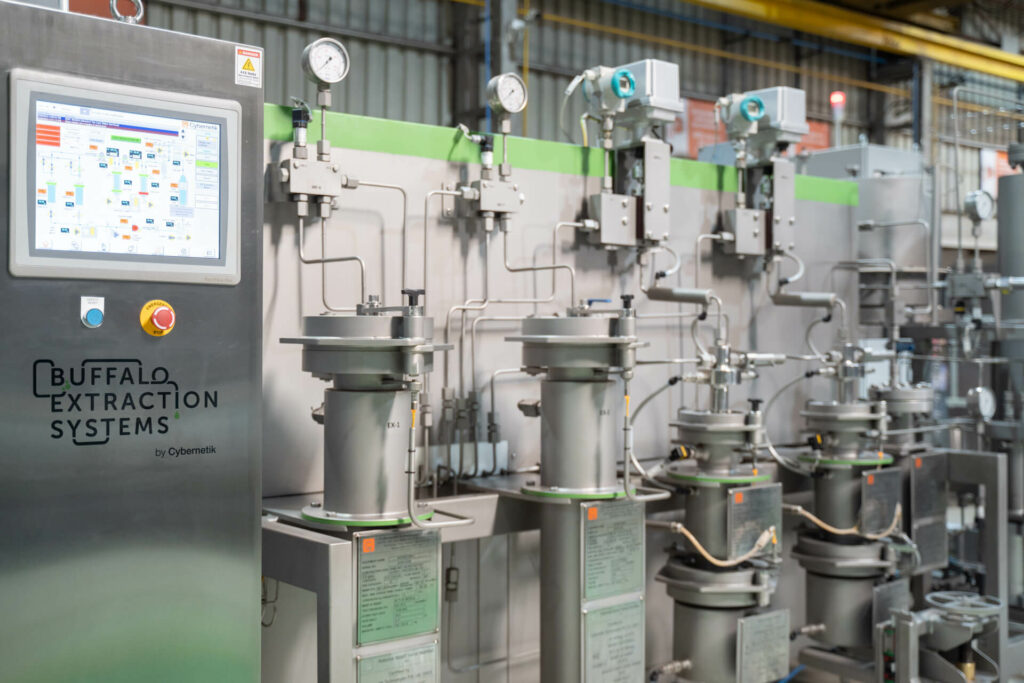
Buffalo Extraction Systems extraction equipment supports GMP audit extraction facility preparation in two specific ways. First, the SCADA system generates the electronic batch record automatically - the time-stamped record of every parameter value and operator action that an inspector will want to review during a GMP inspection extraction facility visit. Second, the SCADA access control and audit trail architecture directly addresses the data integrity criteria that dominate modern GMP inspections. The BES equipment documentation package - P&ID drawings, instrument tag lists, equipment specifications, IQ/OQ templates - provides the reference documents that support the GMP extraction facility inspection checklist for equipment and calibration. Hygienic design principles and cGMP compliance for pharmaceutical CO2 extraction covers the engineering design features that support GMP inspection readiness from the equipment design baseline.
Conclusion
GMP audit extraction facility preparation is not about knowing what an inspector will ask - it is about operating a quality system that can answer any question with current, complete, and organised records. The extraction facility audit checklist GMP assessment covers people, premises, equipment, and documentation simultaneously - deficiencies in any category reflect on the quality management system as a whole. Extraction audit common findings repeat across inspections because the underlying causes - informal practices that bypass documentation, calibration gaps, CAPA programmes that produce closed records without genuine root cause - are common. An extraction facility inspection ready state is not achieved in the week before an inspection: it is the product of daily quality discipline.
Related Articles
- GMP Compliance for Botanical Extracts via CO2 Extraction
- Supplement Purity, Safety and Potency Validation
- Enhancing Extract Purity: 100% Food-Grade Standards in Large-Scale CO2 Extraction
Frequently Asked Questions
What does a GMP inspector assess during an extraction facility audit?
A GMP audit extraction facility inspection covers four domains: people and training (documented training records for all GMP activities); premises and environmental controls (HVAC, cleaning, environmental monitoring); equipment (calibration status, qualification status, SCADA audit trail and access control); and documentation and data integrity (SOP version control, batch record completeness, laboratory data integrity). The GMP inspection extraction facility team works methodically through each domain, and deficiencies in one area invite deeper examination of related systems.
What are the most common deficiencies found in extraction facility audits?
Extraction audit common findings across FDA, EU NCA, and WHO inspections include: data integrity failures (retrospective batch record completion, SCADA data gaps, raw data not retained); calibration gaps (instruments past due in active use, missing as-found data); CAPA programme weakness (high open CAPA counts, weak root cause investigation, no effectiveness verification); training gaps (overdue training, no competency assessment evidence); and deviation records not opened promptly. These extraction audit common deficiencies are consistent across agencies and facility types.
What should be on the GMP extraction facility inspection checklist?
The GMP extraction facility inspection checklist covers: calibration records current for all process instruments (verified against instrument tag list and calibration schedule); training records complete for all operators on all active procedures (verified against training matrix); deviation log with no investigations overdue more than 30 days; CAPA log with target dates and progress documented; all SOPs at the correct approved version at point of use; and batch records retrievable within 15 minutes. The extraction GMP compliance checklist for document retrieval time is itself an indicator of quality system health.
What do GMP inspectors look for in extraction equipment during an audit?
GMP audit extraction equipment assessment covers: current calibration certificates for all process instruments cross-checked against the calibration schedule and P&ID; preventive maintenance completion records; IQ/OQ/PQ qualification status and currency; and SCADA access control and audit trail records. Common deficiencies in equipment extraction audits include instruments past calibration due date in active GMP use, equipment used without completed OQ, and shared SCADA login accounts that undermine audit trail attribution.
What GMP audit extraction SOPs do inspectors typically request?
GMP audit extraction SOPs that inspectors routinely request include: the deviation management SOP; the CAPA SOP; the change control SOP; the calibration SOP and calibration schedule; cleaning SOPs and cleaning validation records; training SOPs and training record formats; batch record instructions; OOS investigation SOPs; and SCADA access management SOPs. An extraction GMP compliance checklist for SOP inspection readiness should verify that every requested SOP is at the current approved version, with superseded versions removed from use at the production floor.