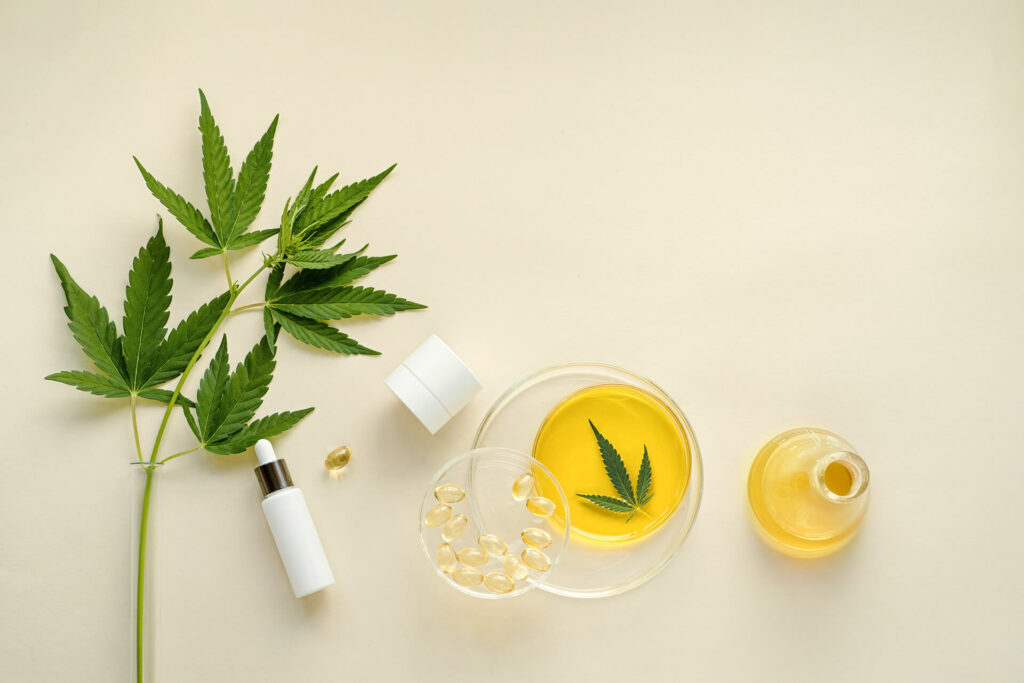
The cosmetics industry is experiencing significant growth in demand for plant-derived ingredients, clean-label formulations, and sustainable beauty products. Consumers increasingly prefer skincare, haircare, and wellness products formulated using naturally derived compounds and botanical actives.
As a result, manufacturers are investing heavily in natural cosmetic ingredients and advanced botanical extraction technologies capable of preserving delicate plant compounds while supporting large-scale cosmetic production.
This guide explores what are botanical extracts, sourcing methods, formulation strategies, ingredient standardisation, industrial extraction technologies, and the role of botanical extracts cosmetics in modern personal care manufacturing.
Understanding Natural Cosmetic Ingredients
Natural cosmetic ingredients are plant-derived, mineral-based, or naturally sourced compounds used in skincare, haircare, wellness, and personal care formulations.
These ingredients are widely valued because they support:
- Clean-label product positioning - Consumers increasingly prefer recognizable plant-derived ingredients.
- Botanical formulation trends - Natural ingredients align with modern beauty and wellness preferences.
- Functional skincare applications - Plant extracts contribute aroma, texture, and sensory benefits.
- Sustainable product development - Naturally sourced ingredients support eco-conscious branding strategies.
- Premium cosmetic positioning - Botanical formulations are strongly associated with luxury skincare categories.
Common categories of natural cosmetic ingredients include:
- Essential oils
- Plant oils
- Herbal extracts
- Floral extracts
- Botanical concentrates
- Fruit-derived ingredients
- Natural aromatic compounds
According to the Cosmetic Ingredient Review (CIR), botanical ingredients continue gaining importance across global cosmetic formulation industries.
What Are Botanical Extracts?
Understanding what are botanical extracts is essential for cosmetic manufacturers developing plant-based formulations.
Botanical extracts are concentrated compounds derived from plant materials such as:
- Leaves
- Flowers
- Fruits
- Seeds
- Bark
- Roots
- Herbs
- Citrus peels
These extracts contain naturally occurring aromatic compounds, pigments, oils, and plant fractions that contribute functional and sensory properties to cosmetic formulations.
Botanical extracts are widely used in:
- Skincare products - Botanical ingredients improve formulation diversity and natural positioning.
- Haircare products - Plant-derived compounds support premium haircare formulations.
- Fragrance applications - Botanical aromatic compounds contribute natural sensory profiles.
- Wellness formulations - Herbal extracts are increasingly used in spa and wellness products.
- Personal care products - Botanical ingredients support clean-label cosmetic innovation.
Growing consumer demand for transparency and plant-based products has accelerated interest in scalable extraction systems capable of preserving delicate botanical compounds.
Botanical Extracts Cosmetics Applications
The demand for botanical extracts cosmetics applications continues expanding across multiple beauty and wellness sectors.
Major applications include:
Skincare Formulations
Botanical extracts are widely used in creams, lotions, serums, cleansers, and masks.
Important formulation goals include:
- Improving sensory appeal
- Supporting natural positioning
- Enhancing aroma profiles
- Maintaining formulation consistency
- Supporting premium product branding
Haircare Products
Plant-derived extracts are increasingly incorporated into:
- Shampoos
- Conditioners
- Hair masks
- Hair oils
- Scalp treatment formulations
Aromatherapy and Wellness Products
Botanical aromatic compounds are commonly used in:
- Essential oil blends
- Massage oils
- Spa products
- Relaxation formulations
- Wellness product applications
Personal Care Products
Botanical extracts support natural ingredient positioning in:
- Soaps
- Body washes
- Deodorants
- Lip care products
- Hand care formulations
Cosmetic Fragrance Systems
Natural aromatic compounds contribute sensory value in:
- Perfumes
- Body mists
- Cosmetic fragrance blends
- Botanical sprays
- Luxury beauty products
Related aromatic extraction applications are discussed in Fragrance Extraction Methods Compared: Why Perfumers Use Supercritical CO2 for Delicate Aromatics Compounds.
Sourcing of Botanical Ingredients
Raw material quality significantly impacts cosmetic formulation consistency, aroma preservation, and ingredient performance.
Important sourcing considerations include:
- Botanical species selection - Different plant varieties contain varying aromatic and bioactive profiles.
- Harvest timing - Seasonal variations impact botanical compound composition.
- Moisture control - Controlled drying helps preserve delicate aromatic fractions.
- Storage conditions - Improper storage may accelerate oxidation and degradation.
- Contaminant control - Clean raw materials improve formulation quality and processing efficiency.
Common cosmetic botanical sources include:
- Lavender
- Chamomile
- Rose
- Calendula
- Green tea
- Aloe vera
- Citrus peels
- Rosemary
- Hibiscus
- Mint
Industrial botanical processing requires stable raw material handling systems to improve extraction consistency and commercial scalability.

Industrial Extraction Technologies for Botanical Ingredients
Extraction technology plays a major role in ingredient purity, aroma preservation, oxidation control, and cosmetic formulation quality.
Solvent Extraction
Solvent extraction remains widely used in botanical processing.
Advantages include:
- Efficient extraction capability
- Broad botanical compatibility
- Scalable industrial processing
- Commercial production feasibility
- Flexible formulation applications
Steam Distillation
Steam distillation is commonly used for aromatic botanical oils.
Applications include:
- Essential oil recovery
- Herbal aromatic extraction
- Cosmetic fragrance ingredients
- Plant volatile compound processing
- Botanical aromatic separation
Cold Extraction
Cold extraction helps preserve delicate plant compounds by minimizing thermal degradation.
Benefits include:
- Better aroma preservation
- Reduced oxidation exposure
- Improved botanical integrity
- Enhanced sensory quality
- Protection of heat-sensitive compounds
Supercritical CO2 Extraction
Supercritical CO2 extraction is increasingly used for premium botanical extraction because it enables:
- Low-temperature processing - Helps preserve delicate aromatic compounds.
- Cleaner extraction conditions - Reduces solvent residue concerns.
- Improved purity - Produces highly refined botanical extracts.
- Selective extraction capability - Supports targeted extraction of desired compounds.
- Enhanced aroma retention - Maintains natural botanical sensory profiles.
Related extraction process fundamentals are discussed in Supercritical CO2 Extraction Process.
Additional cosmetic extraction applications are explored in CO2 Extraction for Cosmetics: What Is the Role of CO2 Extracts?.
Importance of Ingredient Standardisation
Ingredient standardisation is critical in cosmetic manufacturing because natural botanical materials can vary significantly between harvests.
Standardisation helps manufacturers improve:
- Formulation consistency - Stable ingredient profiles support product reproducibility.
- Aroma uniformity - Consistent aromatic characteristics improve sensory quality.
- Batch-to-batch stability - Controlled extraction conditions improve repeatability.
- Quality assurance - Standardized ingredients simplify product validation.
- Regulatory alignment - Traceability supports cosmetic compliance requirements.
Industrial extraction systems increasingly use automated monitoring technologies to improve consistency and production control.
Related process optimization topics are discussed in How Does SCADA Enabled Intuitive Intelligence Improve Recipe-Based Extraction and Remote Monitoring in CO2 Extraction Machines?.
Formulation Challenges in Botanical Cosmetics
Formulating with natural cosmetic ingredients introduces several technical challenges because botanical compounds are highly sensitive to environmental conditions.
Important formulation considerations include:
- Oxidation stability - Botanical compounds can degrade when exposed to oxygen.
- Temperature sensitivity - Excessive heat may damage aromatic and active compounds.
- Color variability - Natural pigments may vary across botanical batches.
- Aroma consistency - Botanical extracts require controlled stabilization strategies.
- Shelf-life management - Proper formulation design supports product stability.
Manufacturers increasingly use advanced extraction and stabilization technologies to improve long-term formulation performance in cosmetic products.
Hygienic Processing and Cosmetic Manufacturing Standards
Industrial cosmetic ingredient manufacturing requires hygienic production systems capable of supporting product safety and quality control.
Important considerations include:
- Stainless-steel processing systems - Help reduce contamination risks.
- Clean-in-place systems - Improve operational hygiene and cleaning efficiency.
- Controlled processing environments - Support stable extraction conditions.
- Traceability systems - Improve ingredient tracking and compliance.
- Automated process monitoring - Enhances production consistency and operational control.
Related hygienic processing topics are discussed in Enhancing Extract Purity: 100% Food Grade Standards in Large-Scale CO2 Extraction.
Conclusion
Natural cosmetic ingredients continue transforming modern skincare, personal care, and wellness industries. Growing consumer demand for clean-label, plant-based, and sustainable beauty products has accelerated interest in botanical extraction technologies capable of preserving delicate aromatic and bioactive compounds.
Understanding botanical sourcing, ingredient standardisation, extraction technologies, and formulation stability helps cosmetic manufacturers improve product consistency, ingredient quality, aroma preservation, and commercial scalability across modern botanical cosmetic applications.
Frequently Asked Questions
What are botanical extracts?
Botanical extracts are concentrated plant-derived compounds obtained from leaves, flowers, roots, seeds, fruits, and herbs for cosmetic and wellness applications.
Why are botanical extracts used in cosmetics?
Botanical extracts help improve natural product positioning, aroma quality, formulation diversity, and clean-label cosmetic development.
What extraction methods are commonly used for botanical ingredients?
Common methods include solvent extraction, steam distillation, cold extraction, and supercritical CO2 extraction.
Why is ingredient standardisation important in cosmetics?
Ingredient standardisation helps maintain formulation consistency, aroma uniformity, batch reproducibility, and product quality.
What industries use natural cosmetic ingredients?
Natural cosmetic ingredients are widely used across skincare, haircare, fragrances, wellness products, personal care, and spa formulations.