
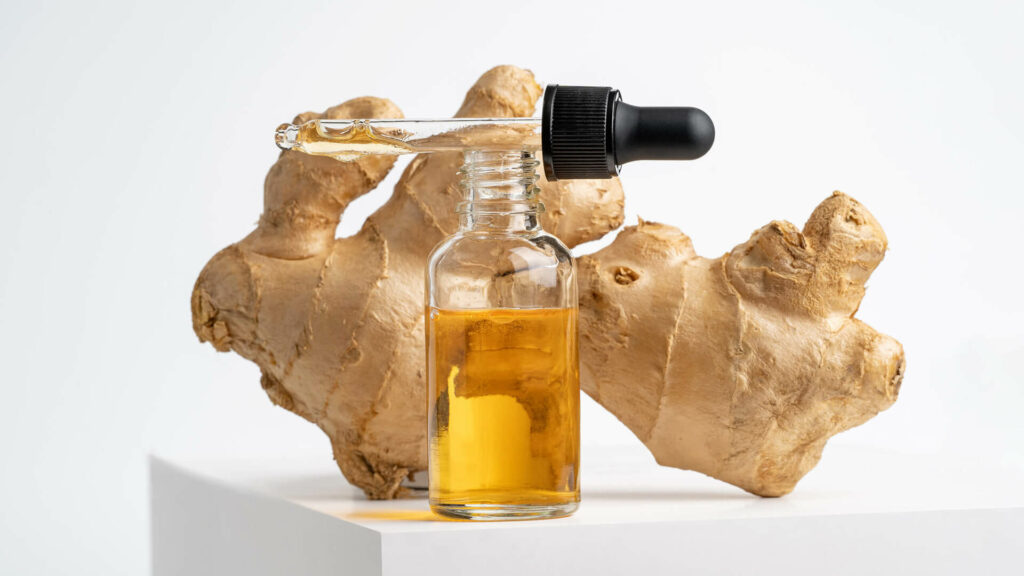
Spice essential oils are the concentrated, volatile fraction of spices like black pepper, cardamom, clove, cumin, and cinnamon - captured by steam distillation or supercritical CO2 rather than the whole-spice grind most kitchens know. For a flavourist, they’re a way to get intense, consistent, standardised spice character into a formulation without the colour, particulate, or microbial load that comes with using ground spice directly.
See How Our Extraction Systems Can Support Your Process
What Makes a Spice Oil “Food Grade”
Not every spice oil on the market is built for ingestion. Food-grade spice essential oils require documentation most fragrance-grade oils skip entirely:
- Residual solvent limits compliant with food safety authorities (ICH Q3C guidance is a common reference point).
- Heavy metal and pesticide screening, especially important for spices grown in regions with variable agricultural practices.
- Microbial testing, since essential oils are sometimes assumed sterile but aren’t automatically so post-extraction.
- Full GC-MS composition report showing the major aroma-active compounds, not just a generic “spice oil” label.
Buying food-grade oils without this paperwork is one of the most common (and most avoidable) compliance gaps flavour manufacturers run into during an audit.
Extraction Method Comparison
Spice | Common extraction | Notes for flavourists |
Black pepper | Steam distillation, CO2 | CO2 retains more piperine-adjacent pungency |
Clove | Steam distillation | High eugenol content, potent - dose carefully |
Cardamom | Steam distillation, CO2 | CO2 version closer to fresh pod aroma |
Cinnamon (Ceylon) | Steam distillation | Cinnamaldehyde-driven; skin sensitiser at high dose |
Cumin | Steam distillation, CO2 | Aldehyde-rich; small doses go a long way |
Supercritical CO2 extraction tends to produce a rounder, more “whole spice” profile because it captures both the light volatile terpenes and the heavier aromatic compounds that steam distillation can leave behind. Steam distillation remains cheaper and faster, and for spices where the volatile fraction alone defines the character - clove and its dominant eugenol note, for example - it’s often the more economical choice without much sensory trade-off.

Solubility and Formulation Fit
Spice oils are lipophilic, which means they dissolve readily in fats, oils, and alcohol-based systems but resist clean dispersion in water. For beverage and sauce applications, flavourists typically either:
- Emulsify the oil using a food-grade emulsifier system before adding it to a water-based matrix.
- Encapsulate it in a starch or gum matrix for a free-flowing powder that disperses more evenly.
- Blend it into an oleoresin carrier, which already contains some of the spice’s natural fats and resins and disperses more predictably in oil-based sauces and dressings.
Manufacturers scaling up beyond pilot batches often shift from raw spice oil to a processed oleoresin format specifically to solve this dispersion problem at volume. Others lean on broader natural aroma production capacity to keep spice oil and complementary flavour ingredients under one quality system.
Reading a Certificate of Analysis
A useful spice oil COA should let a flavourist verify - without a lab of their own - that the batch matches the last one. Look for:
- Specific gravity and refractive index, which flag adulteration quickly if they drift from spec.
- Optical rotation, relevant for chiral compounds like limonene in citrus-adjacent spice oils.
- Major component percentages (e.g., eugenol % in clove oil), cross-checked against pharmacopoeial ranges.
- Batch and harvest date, since spice oils from different harvest years can vary meaningfully in potency.
Storage and Shelf Life
Spice essential oils oxidise faster than people expect, particularly ones rich in monoterpenes like citrus-adjacent or pepper oils. Amber glass, minimal headspace, cool storage (ideally under 15°C), and nitrogen blanketing for high-value lots all meaningfully extend usable shelf life. An oil that’s been sitting in a warm warehouse for a year can taste noticeably flatter or “off” even if it technically still passes a basic identity test - sensory checks alongside paperwork matter here.
Choosing Between Suppliers
Price-per-kilo is the easiest number to compare and the least reliable one to base a decision on. A cheaper oil that’s inconsistent between lots, or that requires you to reformulate dosing every quarter, costs more in reformulation labour than it saves on the invoice. Flavour houses that source spice oils from suppliers who also run citrus extraction and broader botanical extraction operations tend to get more consistent documentation, since the same quality systems apply across the whole catalogue rather than being bolted onto a single product line. This is equally true for suppliers who process tea extract and other non-spice botanicals under the same certifications, since it signals a mature, audited quality system rather than a single-product operation.
Why Buffalo Extraction Systems Fits In
Consistency in a spice essential oil starts long before the COA is printed - it starts with pressure control at the extractor. Buffalo Extraction Systems’ CO2 platforms are engineered to hold tight pressure and temperature bands across a full production run, which is precisely what keeps a batch of clove or cardamom oil matching the last one on the major-compound percentages flavourists check first. The same equipment’s proprietary changeover and sealing technology also matters for spice processors specifically, since spice runs are typically shorter and more frequent than single-crop essential oil production - fast, clean changeovers between spice varieties without cross-contamination or extended downtime are as much a quality factor as the extraction chemistry itself.
Frequently Asked Questions
Is CO2-extracted spice oil always better than steam-distilled?
Not always - it depends on the spice. CO2 extraction typically captures a fuller, more complete profile, but for spices like clove where a single volatile compound (eugenol) drives most of the character, steam distillation is often the more cost-effective choice with minimal sensory trade-off.
How long do spice essential oils stay stable once opened?
It varies by spice, but most last 12–24 months in proper amber-glass, cool, sealed storage. Monoterpene-rich oils oxidise faster and benefit from nitrogen blanketing if a lot won’t be used quickly.
Do spice essential oils need to be diluted before use in food?
Yes, virtually always. Spice oils are highly concentrated and are typically formulated into an emulsified, encapsulated, or oleoresin-carried form before being dosed into a finished food product.
What certifications should a spice oil supplier have for export?
At minimum, GMP and a current certificate of analysis with full GC-MS data. Depending on your target market, ISO, kosher, halal, or organic certification may also be required.
The Takeaway
Spice essential oils reward flavourists who treat the spec sheet as seriously as the sensory sample. Get the extraction method, purity documentation, and dispersion strategy right, and a spice oil becomes a dependable, reusable building block rather than a batch-by-batch gamble.