The Most Common GMP Failures in Extraction Facilities Are Systemic, Not Accidental
GMP deficiencies extraction facility inspections reveal are not random. Across FDA Warning Letters, EU NCA inspection reports, and WHO inspection findings, the same categories of deficiency appear repeatedly in extraction and manufacturing facilities worldwide. Understanding the most common GMP failures extraction inspectors cite - and why they recur - is the most efficient way to harden a quality system against the findings that trigger regulatory action.
See How Our Extraction Systems Can Support Your Process
This guide covers the GMP deficiencies in extraction audits that appear most frequently in regulated extraction facilities: what each deficiency looks like in practice, why it occurs, and what corrective action GMP deficiency extraction remediation requires. The goal is not a checklist - it is an understanding of why these failures happen, so they can be prevented rather than simply corrected after they are found.
Documentation and Data Integrity Failures
Data integrity is the single most cited category in extraction GMP compliance failures across all major regulatory agencies. FDA, EU NCAs, and WHO have all intensified focus on data integrity, with ALCOA+ principles - Attributable, Legible, Contemporaneous, Original, Accurate, plus Complete, Consistent, Enduring, Available - applied to every GMP record in extraction manufacturing. FDA Data Integrity and Compliance guidance defines the expectations.

The most common GMP warning letter extraction facility data integrity findings include:
- Batch records completed retrospectively, after the batch is finished, rather than during the production run - failing the "contemporaneous" requirement
- SCADA data gaps - periods during extraction runs where parameter data is absent or has been edited without documented justification
- Laboratory analytical raw data not retained alongside reported results, or raw data inaccessible on inspection
- Shared SCADA or laboratory system login accounts, where individual user actions cannot be attributed to a specific person
- Audit trails disabled or not reviewed, defeating the purpose of the electronic record system
Extraction GMP common findings in data integrity are particularly acute for SCADA-controlled extraction systems. Extraction GMP audit deficiency examples in data integrity from recent FDA Warning Letters include: SCADA audit trails with administrator-accessible delete functions; laboratory HPLC systems with shared accounts where individual analyst actions cannot be attributed; and batch records with entries in pen over earlier corrections without the required date-and-initial. These extraction GMP audit deficiency examples share a common root cause: the system design allowed the integrity control to be bypassed, where electronic data integrity failures can affect the entire production history captured in the SCADA historian. A GMP warning letter extraction facility finding for SCADA audit trail manipulation or shared login accounts can result in rejection of the facility's entire electronic batch record system for the period affected.
Equipment Calibration and Maintenance Deficiencies
GMP deficiencies extraction audit in equipment calibration are the second most consistently cited category. Extraction GMP audit deficiency examples in calibration include:
- Temperature sensors and pressure gauges found in use past their calibration due date, with no retrospective assessment of impact on batches manufactured while the instrument was potentially out of tolerance
- Calibration records with no as-found data recorded - indicating the calibration record was completed without performing the measurement, or retrospectively
- Calibration certificates from laboratories not accredited to ISO/IEC 17025, with no reference standard traceability documented
- Extraction equipment used for GMP production without completed IQ/OQ/PQ qualification records
Preventive maintenance extraction GMP compliance failures compound calibration deficiencies: equipment with overdue preventive maintenance is more likely to generate out-of-tolerance calibration findings, and the two findings together suggest a facility without a functional equipment management programme. Most common GMP findings extraction inspectors make on calibration and maintenance compound each other because their root causes are often the same: an inadequate equipment management SOP and schedule.
Training and Personnel Procedure Gaps
Most common GMP findings extraction inspections cite regarding personnel include: operators performing GMP procedures for which training records are overdue or absent; training completion recorded without evidence of competency assessment; and SOPs updated without documented retraining of affected personnel. These extraction GMP inspection deficiencies are particularly dangerous because they affect every quality record generated by an undertrained operator.
If an operator performed extractions for a period when their training on the extraction SOP was expired, every batch record from that period is potentially tainted. Extraction GMP compliance gaps in training often cascade into batch record data integrity questions during investigation. The corrective action GMP deficiency extraction remediation for training gaps requires: a training matrix mapping every operator to every procedure they perform; a completion tracking system that flags overdue training before it lapses; and a competency assessment programme that verifies understanding, not just document reading.
Deviation management in GMP extraction for training-related non-conformances is covered in deviation management in GMP extraction: how to handle non-conformances, which explains how training gap deviations are classified, investigated, and closed.
Cleaning Validation and Contamination Control
Extraction GMP compliance gaps in cleaning validation are common in facilities handling multiple products or multiple botanical matrices on shared equipment. Most common GMP findings extraction inspectors cite in this category:
- No cleaning validation completed for multi-product equipment before the second product was introduced - a critical finding that may require market withdrawal of the affected batches
- Cleaning validation based on visual inspection only, without analytical residue testing to demonstrate that specified limits are met
- Cleaning SOPs that describe the procedure but do not specify the validated parameters (cleaning agent concentration, contact time, temperature, rinse volume) that were used in the validation study
- No documented assessment of new products against the worst-case product used in the cleaning validation study - a new, more potent product may invalidate existing cleaning validation
GMP deficiencies extraction audit in cleaning are frequently linked to data integrity findings: cleaning verification records completed without actual verification, or cleaning verification steps skipped under time pressure and documented retroactively. GMP compliance for botanical extracts via CO2 extraction covers the cleaning documentation requirements for GMP-grade botanical extract production.
What FDA Warning Letters Cite in Extraction Facilities
GMP warning letter extraction facility findings from FDA are public records, providing the extraction industry with a direct view of the deficiencies generating the most serious regulatory consequences. Reviewing FDA Warning Letters relevant to botanical extract, pharmaceutical intermediate, and dietary supplement extraction reveals consistent extraction GMP inspection deficiencies:
- Data integrity: multiple Warning Letters cite facilities for SCADA or laboratory system data manipulation, audit trail disablement, or failure to retain electronic raw data - these carry the most serious consequences, calling into question all data generated by the affected systems
- OOS investigation failures: retesting without Phase 1 investigation; averaging OOS results with passing retests; failing to document OOS results that were informally resolved
- CAPA programme failures: investigations concluding without root cause, effectiveness verification not completed, recurring deficiencies in the same system - the evidence that the quality system is not learning from its failures
The GMP deficiency extraction corrective action required for Warning Letter findings is extensive: an initial response within 15 working days, immediate corrective actions, a comprehensive CAPA plan, and demonstrated quality system remediation. Extraction GMP audit deficiency examples from Warning Letters are the clearest statement available of what constitutes serious GMP non-compliance in extraction manufacturing.
Where Buffalo Extraction Systems Fits In
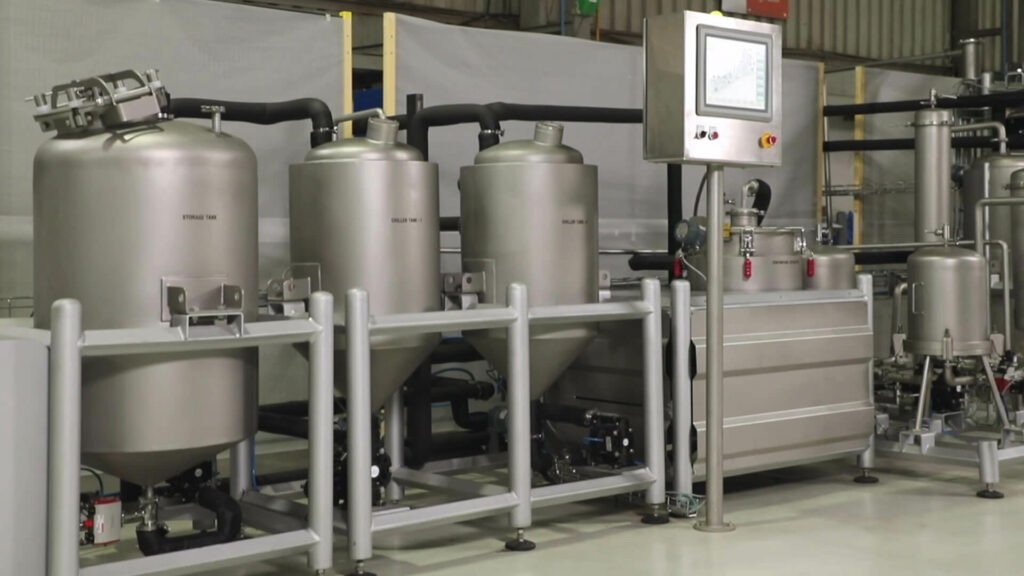
Buffalo Extraction Systems equipment architecture addresses the most common extraction GMP compliance failures at the equipment design level. SCADA-based recipe control eliminates operator parameter-setting variability - the most common precursor to process deviations that become GMP warning letter extraction facility content. The BES audit trail is computer-generated, timestamped, and non-editable, directly addressing the data integrity categories that dominate modern GMP inspections. The BES equipment documentation package - P&ID drawings, equipment specifications, calibration instrument list, IQ/OQ templates - provides the foundation for the equipment qualification and calibration programmes that extraction GMP common findings consistently reveal as deficient in extraction facilities without engineering-grade technical documentation. CAPA in GMP extraction: how to fix problems properly covers the quality management framework that addresses GMP deficiencies in extraction audit findings once they are identified.
Conclusion
GMP deficiencies extraction facility inspections reveal are not unique to any one facility - they are systemic patterns that recur because the root causes are systemic. Data integrity failures occur because manual processes invite informal completion. Calibration gaps occur because calibration schedule management is undisciplined. Training gaps occur because training matrices are not actively maintained. Cleaning deficiencies occur because cleaning validation programmes are not updated when processes change. A facility that understands why these common GMP failures extraction inspectors find keep recurring - not just what they are - is a facility that can prevent them. Extraction GMP compliance failures remediation is orders of magnitude more expensive than prevention: the time, cost, and reputational impact of a GMP warning letter for an extraction facility is vastly greater than the investment in a functioning quality system.
Related Articles
- How BES Ensures GMP Compliance for Your Extraction Process
- Large-Scale Herbal Extraction Methods
- Enhancing Extract Purity: 100% Food-Grade Standards in Large-Scale CO2 Extraction
Frequently Asked Questions
What are the most common GMP deficiencies found in extraction facilities?
GMP deficiencies extraction facility inspections consistently cite include: data integrity failures (retrospective record completion, SCADA audit trail issues, shared login accounts); calibration gaps (instruments past due in use, missing as-found data, non-accredited calibration sources); training deficiencies (overdue training, no competency assessment); cleaning validation failures (no validation for multi-product equipment, visual inspection only); and CAPA programme weaknesses (weak root cause investigation, no effectiveness verification). These extraction GMP common findings appear across FDA, EU NCA, and WHO inspections.
Why do data integrity deficiencies appear so frequently in extraction GMP audits?
Extraction GMP compliance failures in data integrity occur because manual processes - handwritten batch records, manually entered values, analyst-initiated data deletion - create opportunities for retrospective record completion. GMP deficiencies in extraction audits in data integrity have increased in regulatory priority because regulators have observed systematic patterns of record manipulation. The corrective action GMP deficiency extraction remediation requires system-level controls: computer-generated records, non-editable audit trails, and individual user account authentication that attributes every action to a specific person.
What GMP deficiencies related to equipment calibration appear most in extraction audits?
GMP deficiencies extraction audit in calibration include: instruments past their calibration due date in active GMP use; calibration records missing as-found data; certificates from non-accredited laboratories without traceable reference standards; and equipment used for GMP production without completed qualification. Extraction GMP audit deficiency examples from inspection reports consistently identify calibration and equipment qualification gaps as systematic findings - indicating that the facility's engineering and QA programme lacks the technical documentation baseline that a professional calibration programme requires.
What does FDA cite in Warning Letters to extraction facilities?
GMP warning letter extraction facility findings from FDA most frequently cite: data integrity failures (SCADA or laboratory data manipulation, audit trail disablement, raw data not retained); OOS investigation failures (retesting without Phase 1, averaging results to obscure OOS); CAPA programme deficiencies (weak root cause, effectiveness verification absent); and cleaning validation inadequacy. These extraction GMP inspection deficiencies carry the most serious regulatory consequences. FDA Warning Letters for extraction facilities are publicly available and represent the clearest statement of what constitutes serious GMP non-compliance.
How should an extraction facility respond to a GMP deficiency finding?
GMP deficiency extraction corrective action requires a structured CAPA response: root cause investigation that identifies the systemic cause (not just the specific instance found), corrective action addressing that root cause, preventive action where the same root cause could affect other processes, and effectiveness verification confirming the corrective action worked. For extraction GMP compliance failures identified in a regulatory inspection, the response timeline is typically 15 working days for an initial FDA response, or 30 days for an EU NCA CAPA plan. Extraction GMP compliance failures that recur after corrective action - because the action addressed symptoms rather than root cause - attract heightened regulatory scrutiny and may result in follow-up inspections.