From Kitchen Spice to Beauty Counter Star
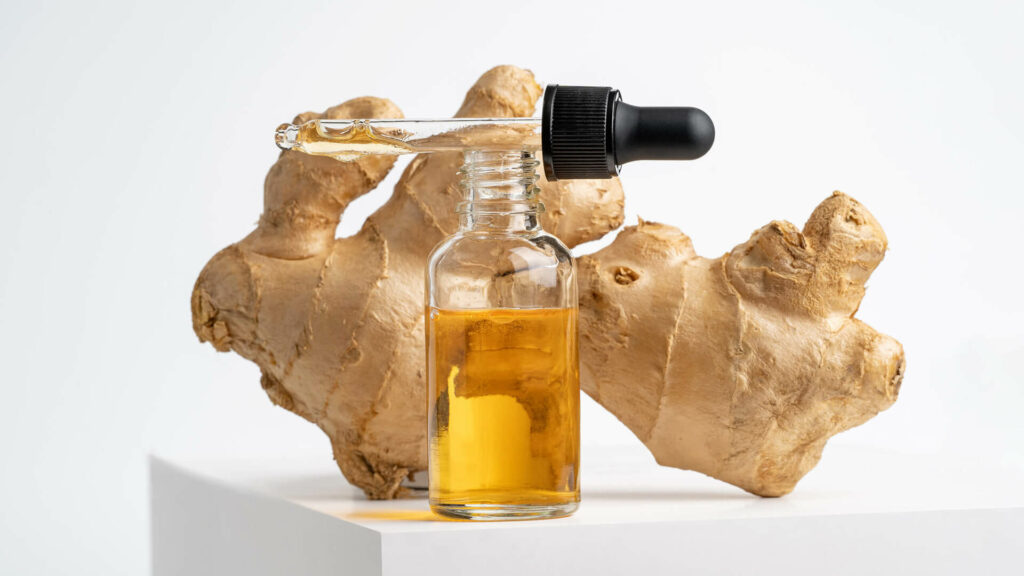
Ginger has spent millennia as a kitchen spice and traditional medicine. Today, it's enjoying a second life on the beauty counter - appearing in serums, scalp tonics, lip balms, anti-aging creams, and even high-end perfumery. The ginger use trend in cosmetics isn't accidental: it's powered by advanced extraction technology that finally lets formulators capture ginger's full bioactive profile in a stable, skin-safe form.
Why Cosmetic Brands Love Ginger
The skincare and haircare appeal of ginger comes down to four properties:
- Antioxidant - gingerols and shogaols neutralize reactive oxygen species, supporting anti-aging claims.
- Anti-inflammatory - calms redness, irritation, and scalp inflammation.
- Circulation-boosting - used in scalp serums to encourage hair growth.
- Aromatic - warm, spicy, slightly woody - beloved by perfumers for top-to-mid notes.
These ginger oil benefits and ginger extract benefits make ginger a multi-functional active that can be positioned for anti-aging, soothing, hair-growth, or sensorial product lines.
The Extraction Revolution Behind the Trend
Cosmetic-grade ginger essential oil and ginger extracts can be produced through several methods, but the differences matter enormously for skin:
- Steam distillation gives a pleasant aroma but loses heavier actives - limiting functional claims.
- Solvent extraction yields full-spectrum extracts but raises residue concerns for sensitive skin.
- Supercritical CO2 extraction delivers a complete, solvent-free, virtually colorless extract with both volatile aromatics and heavier gingerols intact.
With over 35% of fragrance producers globally adopting CO2 extraction for purity and aroma preservation, the technology has become the gold standard for premium cosmetics. Detailed comparisons sit in CO2 extraction for cosmetics - what are the benefits to expect.
Ginger Use in Skincare
Anti-Aging Serums
CO2-extracted ginger delivers gingerols at concentrations capable of measurably reducing oxidative stress in skin cells. Brands position these as 'glow-restoring' or 'firming' actives, often paired with vitamin C and niacinamide.
Soothing Creams for Sensitive Skin
Because CO2 extracts contain no residual hexane or ethanol, they're gentler on reactive skin. Ginger's anti-inflammatory profile makes it useful in formulations targeting redness and post-procedure recovery.
Body Oils and Massage Blends
The warming sensation of gingerol-rich extracts shines in massage oils, sports balms, and warming body butters. The significance of CO2 extracts in the cosmetics industry walks through similar formulation case studies.
Ginger Use in Haircare
Ginger's stimulating effect on scalp circulation has earned it a starring role in:
- Anti-hair-fall serums claiming to revitalize follicles.
- Anti-dandruff shampoos, where ginger's antimicrobial activity adds value beyond zinc pyrithione.
- Heat-protect sprays leveraging ginger essential oil's stable aromatic notes.
Formulators favor CO2 extracts here because they emulsify more cleanly into surfactant systems than crude oleoresins.
Ginger Use in Color Cosmetics and Lip Care
Lip balms, lip glosses, and tinted balms increasingly feature ginger extract for its mild plumping action - gingerols cause subtle, transient capillary dilation that can give lips a fuller appearance. Used at low percentages, ginger oil benefits include better aroma stability and natural preservation. Read more on CO2 extraction for cosmetics - what is the role of CO2 extracts.
Ginger in Perfumery and Wellness Aromas
Ginger essential oil offers unique top-mid bridges in fragrance composition - fresh-citrusy on top, warming-spicy in the heart. Niche perfumers prize CO2 ginger absolutes for their truer-to-rhizome profile. The fragrance extraction methods compared - why perfumers use supercritical CO2 for delicate aromatics explores why.
Market Forces Driving Cosmetic Ginger Use
The global ginger extract market reached USD 1,357 million in 2025 and is projected to climb to USD 1,955 million by 2032, driven heavily by personal care demand. Within the broader CO2 extract space, North America accounts for ~45% of global share, with cosmetics among the fastest-growing applications.
Asia-Pacific is the rapid follower, with India alone investing in field-ready genome-edited ginger cultivars to boost oleoresin yield - a sign of just how strategic ginger has become for both food and beauty supply chains.
Why CO2 Extraction Wins for Cosmetics Specifically
- Solvent-free → safer for leave-on products and sensitive skin.
- Lower color and odor variability → easier to formulate into clear gels and white creams.
- Standardized actives → repeatable performance batch after batch.
- Sustainable narrative → CO2 is captured industrial gas, recycled, non-toxic - perfect for clean-beauty positioning.
Buffalo's note on which botanical extracts for cosmetics are in high demand places ginger inside the wider cosmetic-extract landscape.
Practical Tips for Cosmetic Formulators
- Aim for 0.1–0.5% CO2 ginger extract in leave-on creams and serums; higher doses may cause warming.
- Pair with antioxidants like vitamin E to extend shelf life of the gingerol fraction.
- In haircare, deploy at 0.3–1% in scalp serums and 0.05–0.2% in shampoos.
- Always validate with patch testing - ginger's warming action can over-stimulate compromised skin.
Looking Ahead: Where Ginger Use Goes Next
Three emerging directions deserve attention:
- Microencapsulated ginger extracts for time-release scalp treatments.
- Ginger + adaptogen blends (ashwagandha, ginseng) targeting stress-skin claims.
- Cosmeceutical actives standardized to specific gingerol ratios for medical-skincare positioning.
All three depend on consistent, residue-free, fractionated extracts - exactly what supercritical CO2 platforms are designed to deliver.
How Buffalo Extraction Systems Helps Cosmetic and Personal Care Brands
Cosmetic actives are unforgiving - even small temperature swings can wreck a delicate aroma profile or shift a gingerol percentage off-spec. Buffalo Extraction Systems addresses this with precise thermal management designed specifically to preserve heat-sensitive compounds, along with separator designs purpose-built for the resinous and low-viscosity extracts personal care formulators favor. The result: cosmetic-grade ginger essential oils and CO2 extracts with consistent color, aroma, and active percentage - exactly what brands need to back their ginger use claims on label. Buffalo's article on methods for precise temperature management in supercritical CO2 extraction to preserve delicate compounds gives the full technical story.
Conclusion
Ginger use in cosmetics has moved from novelty to mainstream because extraction technology finally caught up with the ingredient's potential. Supercritical CO2 extraction unlocks ginger oil benefits, preserves ginger essential oil aromatics, and delivers full ginger extract benefits without solvent baggage. For brands building the next generation of clean, functional, sensorially rich personal care, ginger - extracted properly - is one of the smartest plant assets to bet on.
Frequently Asked Questions (FAQ)
Q1. What are the benefits of ginger oil in cosmetics?
Ginger oil benefits in cosmetics include antioxidant action from gingerols and shogaols, anti-inflammatory soothing of redness and irritation, circulation-boosting effects useful in scalp serums, and a warm aromatic profile prized in perfumery.
Q2. How is ginger essential oil used in skincare?
Ginger essential oil is used in anti-aging serums for oxidative stress reduction, soothing creams for sensitive skin, body oils and warming massage blends, and lip-care formulas where it offers a mild plumping effect through subtle capillary dilation.
Q3. What concentration of ginger extract is safe in cosmetic formulations?
Use 0.1 to 0.5 percent CO2 ginger extract in leave-on creams and serums; higher doses may cause warming. In haircare, deploy 0.3 to 1 percent in scalp serums and 0.05 to 0.2 percent in shampoos. Always validate with patch testing.
Q4. Why is supercritical CO2 extraction the best method for cosmetic ginger?
Supercritical CO2 extraction delivers solvent-free, lower-color, lower-odor variability, standardized actives, and a sustainable clean-beauty narrative. Over 35% of fragrance producers globally have adopted CO2 extraction for these reasons.
Bring premium ginger actives in-house. Buffalo Extraction Systems builds CO2 extraction platforms used by leading cosmetic and personal-care brands worldwide - modular, scalable, and ATEX-compliant. → Discover Buffalo's full Knowledge Hub: buffaloextracts.com/knowledge |