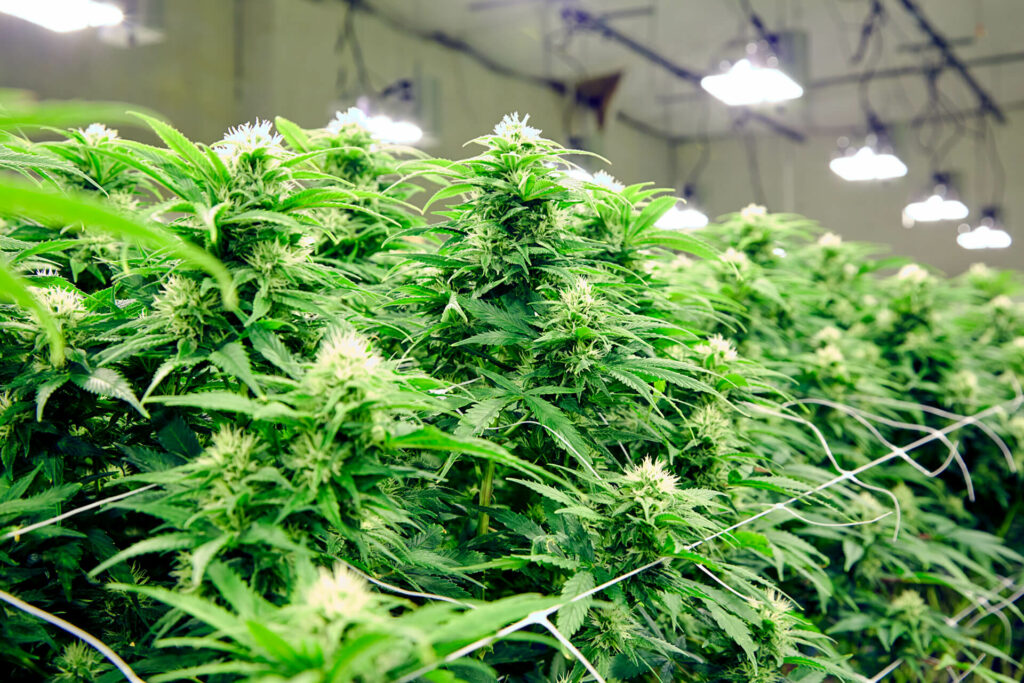

SFE (supercritical fluid extraction) (SFE) equipment is one of the fastest-growing segments in industrial processing technology. The botanical extracts market is expanding across food, pharmaceutical, cannabis, and cosmetics industries - and SFE process is the preferred production method for premium-grade outputs in all four. Meanwhile, growth in the natural extracts market is pushing ingredient producers to upgrade from conventional hexane or steam-based methods to cleaner, certification-compatible technology.
The Global SFE (SFE process) Equipment Market
Market Segment | Size / Projection | Growth Rate | Source |
SFE Equipment Market | ~USD 1.2 billion by 2027 | ~6.8% CAGR | MarketsandMarkets |
the botanical extract industry | >USD 7 billion (2023) | Growing steadily | Grand View Research |
Natural Extracts Market | Embedded in >USD 180B clean-label food market | Accelerating | Allied Market Research |
Cannabis Extract Segment | USD 4.8 billion (2023) | 16.8% CAGR to 2030 | Grand View Research |
Essential Oils Market | USD 11.5 billion (2023) | 7.5% CAGR to 2030 | Grand View Research |
Nutraceuticals Market | USD 722 billion projected by 2030 | Strong | Grand View Research |
Four Forces Driving Market Growth
Growth in the natural ingredient market is being driven by four simultaneous forces. Consumer demand: people are increasingly choosing natural, plant-derived ingredients over synthetic alternatives - a shift that affects food, supplements, personal care, and pharmaceuticals. Regulatory pressure: the EU is tightening residual solvent limits on hexane-extracted ingredients, making solvent-free CO2 extraction increasingly necessary for market access. Organic certification: CO2 is the only non-aqueous extraction solvent approved under EU Organic Regulation 2018/848 - giving CO2 producers an exclusive pathway into a fast-growing premium segment. Sustainability commitments: major food and pharma brands are reporting ESG metrics and applying clean-chemistry requirements to their ingredient supply chains.

The botanical extract industry reflects these forces clearly. Buyers who previously accepted hexane-extracted oleoresins are now specifying CO2-extracted equivalents. The price premium for CO2 extracts - 3–5x the price of hexane-extracted counterparts in most spice categories - makes the equipment investment commercially compelling for producers.
SFE (SFE process) is the only production method that simultaneously satisfies: zero solvent residue, organic certification compatibility, low-temperature operation preserving heat-sensitive bioactives, GMP certification eligibility, and closed-loop environmental credentials. No other extraction technology meets all five criteria.
For producers in the botanical extract industry evaluating whether CO2 extraction fits their production needs, the key question is scale: which system level matches your current and near-term volume? For the pharmaceutical segment of the natural ingredient market, see supercritical CO2 extraction in pharmaceuticals: driving innovation and purity standards. For how SFE (SFE process) is reshaping food and beverage manufacturing, see how SFE (SFE process) is transforming the food and beverage industry. For the nutraceutical market specifically, see nutraceuticals on the rise: the expanding role of supercritical extraction equipment.
FAQs
Q: What is driving growth in the SFE (SFE process) equipment market?
A: Four forces: consumer preference for natural ingredients, regulatory tightening of hexane residue limits, organic certification requirements (CO2 is the only approved non-aqueous solvent under EU 2018/848), and corporate ESG commitments driving clean-chemistry sourcing requirements in food, pharma, and cosmetics supply chains.
Q: What is the size of the SFE equipment market?
A: Projected to reach approximately USD 1.2 billion by 2027 at ~6.8% CAGR. This sits within a much larger total market - the cannabis extract segment alone is USD 4.8 billion at 16.8% CAGR, and essential oils are USD 11.5 billion at 7.5% CAGR.
Q: Why is the botanical extract industry shifting to CO2 extraction?
A: Because buyers in premium food, pharmaceutical, and cosmetic markets are specifying CO2-extracted ingredients over hexane alternatives. CO2 extracts carry no residual solvent, are organic-certification compatible, and command 3–5x the price of conventional extracts for the same botanicals. This shift is what makes the botanical extracts market the primary commercial driver of CO2 equipment adoption.
Q: Which regions are growing fastest in the natural ingredient market?
A: Europe is growing fastest for food-grade and pharmaceutical SFE due to strict EU solvent regulations. North America leads in cannabis extract investment. Asia-Pacific (India, China, Southeast Asia) is the fastest-growing emerging market for spice and nutraceutical extraction. The natural extracts market in Asia-Pacific is projected to grow faster than any other region through 2030.
Q: Is CO2 extraction compatible with organic certification?
A: Yes. CO2 is explicitly approved under EU Organic Regulation 2018/848, USDA NOP, JAS, and NPOP as the only non-aqueous extraction solvent permitted for certified organic extract production. This gives CO2 producers exclusive access to the premium organic ingredient tier.
Q: What equipment certifications are required for food and pharmaceutical SFE markets?
A: Food-grade: GMP and CE minimum, with food-contact compliant construction. Pharmaceutical-grade: additionally requires ASME pressure vessel certification, SCADA process control, electronic batch records, and IQ/OQ/PQ validation documentation for regulatory submissions.