Why Lavender Oil Benefits Are Extraction-Method Dependent
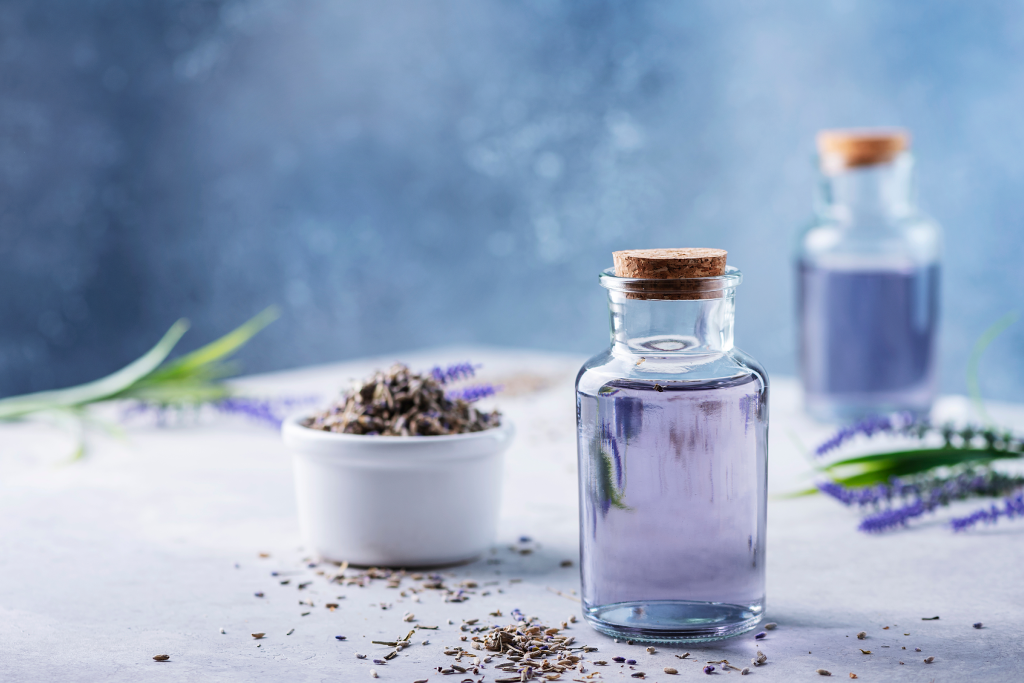
Lavender essential oil is among the most widely used cosmetic ingredients globally, and lavender oil benefits for skin, aromatherapy, and functional formulation are well-documented. But stating that a formulation contains lavender oil tells a buyer less than it appears to. The benefits of lavender oil in a finished cosmetic depend on two decisions that precede the formulation: which Lavandula species was harvested and which extraction method converted it into the oil. Both determine the active-compound profile that actually reaches the formulation.
Peer-reviewed research confirms that Lavandula angustifolia (English lavender) is the species preferred for therapeutic properties, while Lavandula × intermedia (lavandin) typically provides a higher yield of oil but at lower quality and with higher camphor content. Fresh lavender flowers contain 0.5–6.25% essential oil - a wide range driven by species, growing region, harvest timing, and extraction conditions. The lavender essential oil benefits most cited in cosmetic formulation - calming, antimicrobial, anti-inflammatory, and skin-conditioning - are primarily associated with Lavandula angustifolia and its characteristic linalool and linalyl acetate profile.
This guide covers lavender oil benefits by application area, explains the Lavandula angustifolia vs lavandin distinction in formulation terms, and details how steam distillation and supercritical CO2 extraction produce different lavender oil outputs and therefore different benefit profiles in cosmetic use.
Lavender Oil Benefits for Skin: What the Compounds Deliver
The benefits of lavender oil for skin derive from its active compound composition, not from the generic ‘lavender’ label. In Lavandula angustifolia, the primary active compounds are linalool (typically 25–45%) and linalyl acetate (25–45%), with smaller contributions from beta-ocimene, terpinen-4-ol, and camphor. The lavender oil benefits for skin are associated with these compounds:
- Antimicrobial: linalool and linalyl acetate inhibit Staphylococcus aureus, E. coli, and Candida albicans in published studies, supporting lavender oil’s use in acne-targeted formulations and as a preservative booster in water-based products.
- Anti-inflammatory: linalool reduces pro-inflammatory cytokine production at concentrations achievable in topical formulations. This supports lavender oil’s use in post-sun, sensitive-skin, and redness-targeting cosmetics.
- Skin-conditioning: the oil’s ester fraction supports transepidermal water loss (TEWL) reduction at low use levels, making it a functional contributor to barrier support in moisturisers and facial oils.
- Aromatherapy and psychodermatology: lavender essential oil benefits in aromatherapy are the most studied of all essential oils, with multiple randomised controlled trials showing a reduction in cortisol-mediated stress markers. This is relevant for cosmetic products positioned on relaxation and wellbeing.
The benefits of lavender essential oil are compound-specific. A lavandin oil with 10–15% camphor delivers different topical properties from an angustifolia oil with <0.5% camphor - the camphor dominance in lavandin introduces skin-warming and penetration-enhancing effects that are beneficial in muscle rub applications but are poorly suited to sensitive-skin and baby formulations.
Lavender Extraction Methods: How the Extraction Defines the Output
Steam distillation is the conventional and most widely used method for lavender extraction. Island Lavender confirms that steam passes through the lavender flowers and leaves, carries the volatile aromatic compounds as vapour, and the vapour is condensed and separated into essential oil and hydrosol. Steam distillation yields a pure, concentrated essential oil, free from solvents, and preserves the delicate chemical compounds that give lavender essential oil its therapeutic properties. It also produces lavender hydrosol as a byproduct, which has its own cosmetic and topical applications.

Steam distillation does have a constraint: the heat of the process degrades certain compounds that would otherwise be present. Lavender should not be processed at above approximately 245°F (about 118°C) and three pounds per square inch of pressure - conditions which, if exceeded, produce a coarser oil with more camphor and fewer delicate esters. For Lavandula angustifolia, where the linalyl acetate content is the primary quality marker, maintaining correct distillation temperature is what separates premium from commodity-grade oil.
Supercritical CO2 lavender extraction operates at around 40°C and 200–300 bar in an oxygen-free environment. Research confirms that SC-CO2 is among the innovative approaches producing advantages over conventional distillation in terms of lavender essential oil quality and quantity. A CO2 extract captures compounds that heat-based distillation volatilises or degrades - including heavier sesquiterpenes and oxygenated compounds that contribute to skin-active properties. The result is a lavender CO2 extract with a broader, deeper aromatic profile than the steam-distilled oil and a compound set better matched to the ‘full-spectrum’ therapeutic positioning used in premium cosmetic formulations.
Steam Distillation vs SC-CO2 Lavender Extraction: Formulation Comparison
Parameter | Steam Distillation | Supercritical CO2 |
Operating temperature | 100–118°C (steam) | ~40°C |
Compound profile | Volatile terpenes and esters (linalool, linalyl acetate) | Volatile fraction + heavier sesquiterpenes + oxygenated compounds |
Camphor level | Varies by species and distillation conditions | Lower; selective extraction avoids camphor concentration |
Solvent residue | None (steam only) | None (CO2 reverts to gas) |
Hydrosol byproduct | Yes - valuable cosmetic ingredient | No |
Colour | Colourless to pale yellow | Pale yellow to light green; richer appearance |
Cost | Lower capex; established technology | Higher capex; premium-grade output |
Best for | Standard aromatherapy and cosmetic grades; mass market | Premium therapeutic and clinical-grade formulations; sensitive-skin and baby products |
For cosmetic formulators, the lavender extraction method is a formulation specification, not just a sourcing preference. A product positioned on clinical-grade therapeutic lavender oil benefits requires CO2-extracted angustifolia oil and can defend that claim with compound-level data. A product using commodity steam-distilled lavandin at a lower cost point delivers a different, shallower benefits profile that cannot credibly carry the same positioning.
Lavender Pre-Processing: The Stage Before Extraction
Fresh lavender flowers must be processed promptly after harvest - the essential oil content begins to degrade from the moment the flower is cut. For distillation operations processing dried lavender (particularly for extract production), the drying stage is critical: moisture must be reduced to 8–10% without the extended high-temperature exposure that converts linalyl acetate to linalool or volatilises the most fragile aromatic compounds.
A belt dryer operating at 65–70°C with Rotronic XB20 humidity sensing achieves the 8–10% moisture target reliably and within the temperature ceiling that preserves the angustifolia oil’s ester-linalool balance. The VSD-controlled fine grinder at 2,000–4,000 RPM then prepares the dried lavender to the particle size appropriate for the downstream extraction method - coarser for steam distillation charge, finer for CO2 extraction contact. At 200, 500, or 1,000 kg/hr dry output, the Buffalo Extraction Systems pre-processing line handles lavender at commercial production scale without exposing the flowers to conditions that compromise the compound profile the formulator is paying for.
Lavender Oil in Cosmetic Formulation: Application Areas
- Skincare (face serums, moisturisers, face oils): linalool and linalyl acetate at 0.5–1.0% contribute antimicrobial, anti-inflammatory, and skin-conditioning activity. EU allergen declaration required above 0.001% in leave-on products.
- Body care (lotions, balms, massage oils): lavender oil benefits for skin translate to hydration support and barrier function in body-care applications, where higher use levels (up to 2.5%) are more tolerable.
- Haircare (shampoos, conditioners, scalp treatments): antimicrobial and anti-inflammatory properties support scalp health positioning; linalool contributes fragrance.
- Baby and sensitive-skin products: Lavandula angustifolia with <0.5% camphor is the only appropriate lavender grade for baby formulations. Lavandin’s camphor content makes it unsuitable for this application.
- Aromatherapy and wellbeing products: lavender essential oil benefits in this category rest on the angustifolia linalool/linalyl acetate profile and the clinical evidence base for its anxiolytic and sleep-promoting effects.
Where Buffalo Extraction Systems Fits In
Buffalo Extraction Systems manufactures the biomass pre-processing line for lavender preparation and the supercritical CO2 extraction system for premium lavender oil production. The pre-processing line - 65–70°C belt dryer with Rotronic XB20 humidity sensing, VSD-controlled 2,000–4,000 RPM fine grinder, 3-mesh vibro sifter, and vacuum packing at filling station - delivers dried lavender at 8–10% moisture and controlled particle size to the CO2 extraction stage. The CO2 system then operates at ~40°C in an oxygen-free environment, preserving the full compound profile that steam distillation selectively degrades. Three capacity scales - 200, 500, and 1,000 kg/hr dry output - match pilot to commercial lavender extraction production. See supercritical CO2 extraction equipment and CO2 extraction vs cold-pressed methods.
Conclusion
Lavender oil benefits for skin and cosmetic formulation depend on which species was harvested, which extraction method was used, and whether the compound profile in the finished oil matches the application it is being specified for. Lavandula angustifolia delivers the therapeutic linalool–linalyl acetate balance that supports antimicrobial, anti-inflammatory, and calming claims. Steam distillation is the established route for commercial grades; supercritical CO2 lavender extraction produces a broader, compound-richer output suited to premium therapeutic and sensitive-skin applications. The lavender extraction quality is set before the still is lit - at the drying and pre-processing stage that delivers the flowers at specification moisture and particle size.
Frequently Asked Questions
What are the main lavender oil benefits for skin?
Lavender oil benefits for skin include antimicrobial activity against common skin pathogens (Staphylococcus aureus, Candida albicans), anti-inflammatory effects via linalool-mediated cytokine reduction, skin-conditioning and TEWL support from the ester fraction, and aromatherapeutic calming effects supported by multiple RCTs. These benefits are primarily associated with Lavandula angustifolia and its linalool–linalyl acetate profile, not lavandin, which has a higher camphor content.
What are the benefits of lavender essential oil in cosmetics?
The benefits of lavender essential oil in cosmetics span five application areas: skincare (antimicrobial and anti-inflammatory at 0.5–1.0%), body care (hydration support and barrier function), haircare (scalp antimicrobial and fragrance), baby and sensitive-skin formulation (angustifolia only, low camphor), and aromatherapy and wellbeing positioning. The compound profile varies significantly between Lavandula angustifolia and Lavandula × intermedia (lavandin).
What is lavender extraction and what methods are used?
Lavender extraction refers to the process of separating lavender essential oil from the flowers and foliage of the plant. The two main methods are steam distillation - the conventional method producing a volatile-terpene-dominant oil at 100–118°C - and supercritical CO2 extraction at ~40°C, which captures a broader compound profile including heavier sesquiterpenes and oxygenated compounds that steam temperatures degrade or volatilise.
What is the difference between Lavandula angustifolia and lavandin for cosmetics?
Lavandula angustifolia (English lavender) has linalool and linalyl acetate as its primary compounds, with camphor below 0.5%. It is the therapeutic grade and the appropriate choice for baby, sensitive-skin, and clinical-benefit formulations. Lavandin (Lavandula × intermedia) yields more oil per plant but has 10–15% camphor, which introduces warming and penetration-enhancing effects unsuitable for sensitive-skin applications but useful in muscle rub and sport formulations.
Does the lavender extraction method affect the benefits of lavender oil?
Yes, significantly. Steam distillation captures the volatile terpene and ester fraction but degrades heavier compounds. SC-CO2 at ~40°C preserves the full compound profile including sesquiterpenes and oxygenated compounds that contribute to the ‘full-spectrum’ therapeutic positioning used in premium cosmetics. Two oils with the same INCI name (Lavandula angustifolia flower oil) produced by different extraction methods will have different compound profiles and different benefit evidence bases.