The 40% Number Is Not Marketing Hyperbole
Across published comparisons between extraction methods on heat-sensitive botanicals, essential oil extraction methods can lose 30-40% of total active compounds. The loss is real, measurable, and avoidable. This article maps where the loss happens, which compounds are most vulnerable, and what producers and buyers need to know to protect the integrity of the finished oil.
Where the Loss Occurs - Five Failure Points
- Thermal degradation: heat-sensitive compounds break down at temperatures above 60°C
- Hydrolysis: esters and acetates react with water during steam distillation
- Oxidation: oxygen exposure during long processing cycles generates pro-oxidant byproducts
- Solvent residues: trace hexane or ethanol contamination compromises label claims and product safety
- Incomplete capture: methods that target only volatiles miss the bioactive oleoresin fraction
CO2 extraction structurally addresses all five. Buffalo's piece on methods for precise temperature management in supercritical CO2 extraction to preserve delicate compounds details how the engineering protects against thermal loss specifically.

Compound-Class Loss by Method - Where the 40% Comes From
Compound class | Steam dist. loss | Solvent ext. loss | Supercritical CO2 loss | Reason |
|---|---|---|---|---|
Esters (linalyl acetate, methyl jasmonate) | 30-50% | 5-10% | <5% | Hydrolyze in hot water |
Sesquiterpene alcohols (santalol, viridiflorol) | 20-35% | 10-15% | <5% | Thermal degradation |
Boswellic acids (frankincense) | 100% (not volatile) | 20-30% | 5-10% | Lost entirely in steam |
Chamazulene precursors (matricine) | 30-50% incomplete | 20-30% | <10% (tunable) | Conversion temperature-sensitive |
Aldehydes (citral, citronellal) | 15-25% | 10-20% | <5% | Oxidize during long cycles |
Total bioactive retention by method: CO2 90-95%; cold pressing 80-90% (citrus only); hexane solvent 75-85%; steam distillation 60-75%; hydrodistillation 50-70%. Buffalo's piece on methods for precise temperature management in supercritical CO2 extraction to preserve delicate compounds details the engineering.
Real Cost of Wrong-Method Selection
Quantifying the cost of choosing the wrong extraction method: a 35% bioactive loss on a USD 800/kg premium essential oil translates to roughly USD 280/kg of forgone product value. Multiplied across annual production volumes, the loss can easily exceed USD 500,000-2,000,000 in revenue for mid-scale producers, before considering downstream effects on shelf life, customer satisfaction, and brand reputation. Buffalo's article on the supercritical CO2 extraction process details the technology that prevents these losses.
Market Context for the Method Decision
The global essential oils market reached USD 15.01 billion in 2026, growing at 11.08% CAGR. The supercritical CO2 extraction equipment market is on track from USD 1.5 billion in 2024 to USD 3.0 billion by 2032 at 15% CAGR - capital flow that confirms where serious producers are investing to protect bioactive yield.
How Producers Should Audit Their Current Method
- Run batch GC-MS comparison between the current method and the CO2-extracted reference
- Quantify bioactive loss in dollar terms per kg of output
- Audit shelf life claims against measured oxidation markers
- Test customer-facing label claims against actual extraction chemistry
- Plan migration economics if loss exceeds 20% on premium-tier SKUs
Buffalo's article on extracting high-value organic compounds with precision using a CO2 extraction machine provides the technical baseline for these audits.
How Buffalo Extraction Systems Helps Producers Stop the Loss
Buffalo Extraction Systems engineers CO2 platforms designed to maximize bioactive retention - precision temperature control to ±1°C, tunable pressure across 50-500 bar, multi-stage separators for compound fractionation, closed-loop CO2 recirculation, and SCADA recipe libraries calibrated for major essential oils and botanicals. Producers migrating from steam or solvent extraction to Buffalo CO2 platforms routinely document 20-35% increases in bioactive yield per kg of raw material - converting the 40% loss into 30% gain.
Conclusion
Up to 40% bioactive loss is the structural cost of choosing the wrong essential oil extraction methods. The loss is real, quantifiable, and avoidable. Producers serious about premium positioning, therapeutic-grade output, or pharmaceutical-grade supply have consolidated around CO2 because the chemistry and the economics both point to the same conclusion. The remaining question for legacy operators is not whether to migrate - it is how quickly the migration can be completed before market position deteriorates further.
Frequently Asked Questions
Q1. How much bioactivity can wrong essential oil extraction methods destroy?
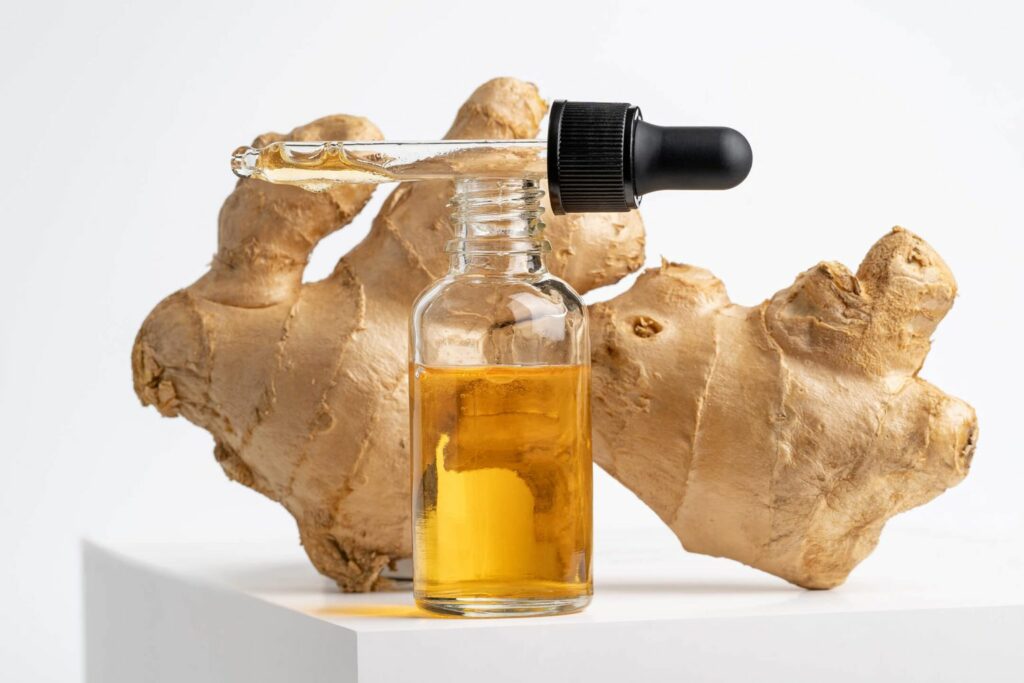
Industry data show steam distillation can destroy 30-40% of heat-sensitive bioactives in heat-sensitive botanicals like chamomile, frankincense, ginger, and rose. Solvent extraction may capture more total mass but leaves residues that compromise label claims. CO2 extraction typically preserves 90-95% of total bioactives - the structural difference that defines premium-tier output.
Q2. What causes essential oil oxidation, and how do extraction methods affect it?
Essential oil oxidation is driven by exposure to oxygen, heat, light, and trace metal catalysts during and after extraction. Steam distillation introduces heat stress and trace metal contact; solvent extraction can leave pro-oxidant residues. CO2 extraction minimizes all three risks, producing oils with longer oxidative stability - typically 24-36 months' shelf life versus 12-24 months for steam-distilled equivalents.
Q3. Is the solvent extraction method of essential oils always inferior to CO2?
Solvent extraction method of essential oils retains legitimate use for certain absolutes (jasmine, tuberose, mimosa) where the resulting product has decades of established perfumery use. For most other applications - especially premium therapeutic and food-grade - CO2 has overtaken solvent extraction because of regulatory tightening on residual solvents.
Q4. Why does supercritical fluid extraction of essential oils outperform other methods?
Supercritical fluid extraction of essential oils retains the broadest bioactive spectrum at near-room temperature, avoids solvent residues, supports batch-to-batch reproducibility, and delivers a shelf life 20-50% longer than steam-distilled equivalents. The combination is structurally hard to match with any other extraction method, which is why CO2 has become the standard across modern essential oils extraction methods at a premium scale.
Stop losing 40% of your bioactives. Buffalo Extraction Systems engineers CO2 platforms that protect bioactive retention - precision engineering for premium-tier output. → Run a bioactive retention audit: buffaloextracts.com |