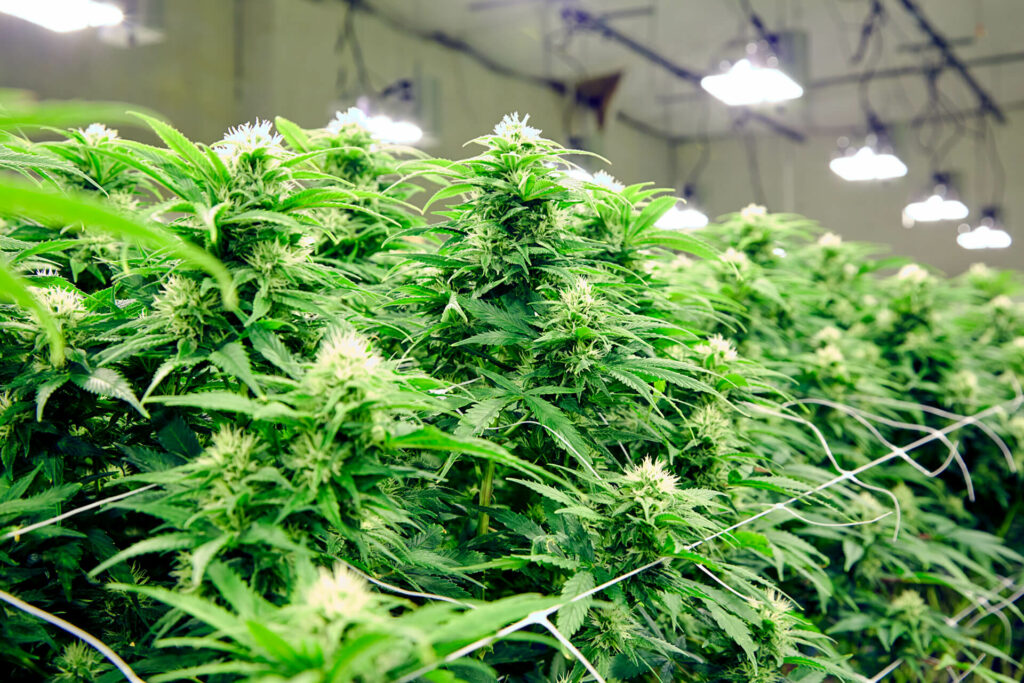
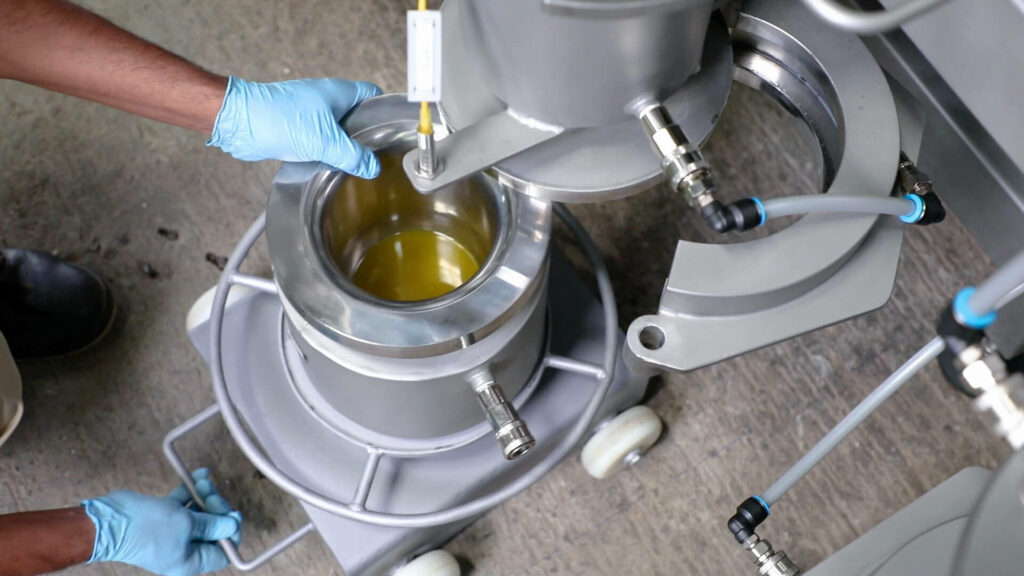
The global food manufacturing industry is rapidly adopting advanced processing and extraction technologies to improve efficiency, product consistency, food safety, and ingredient quality. From botanical extracts and nutraceutical ingredients to flavors, essential oils, proteins, and functional compounds, selecting the right food processing machinery has become critical for scalable and competitive production.
Manufacturers today require systems capable of supporting higher throughput, precise process control, reduced waste, and food-grade compliance while maintaining delicate bioactive compounds and flavor profiles.
This guide explores modern food processing technology, industrial food extraction systems, major food extraction methods, and the key factors manufacturers should evaluate when selecting food processing and extraction equipment.
The Role of Food Processing Machinery in Modern Manufacturing
Food processing machinery plays a central role in transforming raw agricultural materials into standardized, safe, and commercially viable food products.
Industrial processing systems are used across sectors such as:
- Functional foods
- Nutraceuticals
- Botanical ingredients
- Spice extraction
- Beverage manufacturing
- Dairy alternatives
- Plant proteins
- Essential oils
- Food additives
- Herbal wellness products
Modern food production requires machinery capable of maintaining process efficiency while preserving nutritional and sensory quality.
According to the Food and Agriculture Organization (FAO), food processing technologies are increasingly important for improving food quality, reducing waste, and supporting sustainable food production systems. Food and Agriculture Organization
Modern Food Processing Technology and Industrial Automation
The adoption of modern food processing technology has transformed industrial manufacturing through automation, precision controls, and scalable process optimization.
Modern systems often integrate:
- Automated material handling
- SCADA-based monitoring
- Temperature and pressure control
- Hygienic process design
- Automated cleaning systems
- Batch consistency management
- Data-driven production control
- Energy optimization technologies
The growth of modern food processing technology is helping manufacturers improve:
- Product consistency
- Throughput capacity
- Regulatory compliance
- Ingredient purity
- Operational efficiency
- Traceability
- Food safety
Advanced automation also reduces human error and improves reproducibility across production cycles.
Related industrial automation concepts are discussed in How Does SCADA-Enabled Intuitive Intelligence Improve Recipe-Based Extraction and Remote Monitoring in CO2 Extraction Machines?.
Key Categories of Food Processing Machinery
Industrial food processing facilities typically combine multiple machinery systems depending on the final product and extraction requirements.
Raw Material Handling Systems
Pre-processing equipment includes:
- Conveyors
- Elevators
- Feed hoppers
- Vibro sifters
- Sorting systems
- Crushers
- Milling systems
These systems prepare raw biomass for downstream processing.
Drying Equipment
Drying systems are essential for moisture reduction and biomass stabilization before extraction.
Common systems include:
- Belt dryers
- Tray dryers
- Vacuum dryers
- Spray dryers
- Fluidized bed dryers
According to the uploaded technical specifications, industrial belt dryers may operate with:
- Dryer temperatures between 65–70°C
- Air velocity of 0.5–1 m/sec
- Moisture reduction targets of 8–10%
Grinding and Milling Systems
Particle size optimization improves extraction efficiency and compound accessibility.
Equipment may include:
- Hammer mills
- Pulverizers
- Fine grinders
- Cryogenic grinders
Extraction Systems
Extraction equipment isolates target compounds from botanical or food biomass.
Major extraction categories include:
- Solvent extraction
- Steam distillation
- Cold extraction
- Ethanol extraction
- Supercritical CO2 extraction
Further extraction process details are discussed in Supercritical Fluid Extraction Process.
Food Extraction Methods Used in Industrial Processing
Several food extraction methods are used depending on the target compound, thermal sensitivity, purity requirements, and production scale.
Water Extraction
Water extraction is widely used for:
- Herbal teas
- Polysaccharides
- Water-soluble compounds
- Traditional botanical processing
Advantages include simplicity and food safety, although selectivity can be limited.
Ethanol Extraction
Ethanol-based food extraction systems are commonly used for botanical compounds, flavors, and herbal concentrates.
Benefits include:
- Broad compound solubility
- Industrial scalability
- Faster extraction cycles
However, solvent recovery and residual solvent management are critical considerations.
Steam Distillation
Steam distillation is widely used for essential oils and aromatic compounds.
Applications include:
- Spice oils
- Herbal extracts
- Flavor ingredients
- Fragrance compounds
Related spice extraction technologies are discussed in Spice Extraction Methods.
Cold Extraction
Cold extraction helps preserve heat-sensitive bioactive compounds and volatile ingredients.
Applications include:
- Nutraceutical ingredients
- Botanical extracts
- Functional food ingredients
Supercritical CO2 Extraction
Supercritical CO2 extraction is increasingly used in premium food extraction applications because it enables:
- Solvent-free extraction
- Low-temperature processing
- Improved purity
- Selective compound targeting
- Better flavor preservation
The process is widely used for:
- Essential oils
- Nutraceutical extracts
- Natural flavors
- Herbal compounds
- Functional food ingredients
More process fundamentals are discussed in What Are the Steps Involved in a Supercritical CO2 Extraction Process? Here Is Your Guide.
Food Extraction Systems and Process Efficiency
Industrial food extraction systems must balance efficiency, scalability, food safety, and operating cost.
Key performance considerations include:
Parameter | Importance |
Extraction yield | Maximizes raw material utilization |
Throughput capacity | Supports industrial-scale production |
Solvent recovery | Reduces operating costs |
Process consistency | Improves product standardization |
Thermal control | Protects sensitive compounds |
Automation | Enhances reproducibility |
Cleaning efficiency | Supports hygienic operation |
Manufacturers increasingly prioritize food extraction systems capable of maintaining reproducible performance while minimizing downtime and solvent losses.
Operational optimization strategies are further discussed in How Can Operators Optimize Extraction Cycles to Maximize Overall Throughput?.

Importance of Hygienic Design in Food Processing Machinery
Food-grade compliance remains one of the most important considerations in machinery selection.
Industrial systems should support:
- Hygienic stainless-steel construction
- CIP (Clean-in-Place) systems
- Low contamination risk
- Minimal dead zones
- Easy cleaning access
- GMP-compliant operation
Improper hygienic design can lead to contamination risks, inconsistent product quality, and regulatory challenges.
Food-grade extraction standards are further discussed in Enhancing Extract Purity: 100% Food Grade Standards in Large-Scale CO2 Extraction.
Energy Efficiency and Sustainability in Food Extraction
Sustainability has become a major focus area in industrial food manufacturing.
Modern food processing technology increasingly emphasizes:
- Reduced energy consumption
- CO2 recirculation systems
- Solvent recovery
- Lower process waste
- Water conservation
- Sustainable raw material utilization
Advanced CO2 recirculation systems help improve operational sustainability while reducing solvent costs.
Related sustainability topics are discussed in How High-Capacity CO2 Recirculation Systems Reduce Operational Costs While Maintaining Performance.
Selecting the Right Food Processing Machinery
Selecting suitable food processing machinery depends on several technical and operational factors.
Product Type
Different products require different extraction conditions and process flows.
Examples include:
Product Category | Recommended Extraction Approach |
Essential oils | Steam distillation or CO2 extraction |
Nutraceuticals | Cold or supercritical extraction |
Spice oils | Solvent or CO2 extraction |
Herbal concentrates | Ethanol extraction |
Functional ingredients | Low-temperature extraction |
Production Scale
Manufacturers should evaluate:
- Pilot-scale needs
- Commercial throughput requirements
- Expansion capability
- Batch size flexibility
Scaling considerations are discussed in Scaling From Lab to Industry: Choosing the Right Extraction Equipment Size.
Automation Requirements
Automation improves:
- Process consistency
- Recipe management
- Data logging
- Remote monitoring
- Labor optimization
Regulatory Compliance
Food processing systems should support:
- Food-grade manufacturing
- GMP compliance
- Traceability
- Hygienic operation
- Safety standards
The Future of Modern Food Processing Technology
The future of modern food processing technology will continue to emphasize automation, sustainability, precision extraction, and smart manufacturing systems.
Emerging trends include:
AI-Driven Process Optimization
Artificial intelligence is increasingly used for:
- Predictive maintenance
- Yield optimization
- Recipe control
- Process analytics
Sustainable Extraction Technologies
Manufacturers increasingly prefer:
- Green solvents
- CO2-based extraction
- Low-energy systems
- Waste reduction technologies
Smart Manufacturing Systems
Connected systems improve:
- Real-time monitoring
- Production visibility
- Preventive maintenance
- Operational efficiency
Precision Ingredient Manufacturing
Functional foods and nutraceutical products increasingly require highly standardized ingredients with reproducible bioactive profiles.
Industry transformation trends are further discussed in How Supercritical Fluid Extraction Is Transforming the Food and Beverage Industry.
Conclusion
Selecting the right food processing machinery and extraction technology is critical for achieving product quality, process efficiency, scalability, and regulatory compliance in modern food manufacturing.
As food manufacturers increasingly prioritize clean-label ingredients, functional foods, nutraceutical extracts, and sustainable production methods, advanced food extraction systems and modern food processing technology will continue shaping the future of industrial food production.
Understanding different food extraction methods, automation capabilities, hygienic requirements, and scalability considerations helps manufacturers make informed investment decisions while improving long-term operational performance.
Frequently Asked Questions
What is food extraction?
Food extraction is the process of isolating valuable compounds such as flavors, oils, nutrients, proteins, antioxidants, or bioactive ingredients from raw food or botanical materials.
What are the most common food extraction methods?
Common food extraction methods include water extraction, ethanol extraction, steam distillation, cold extraction, and supercritical CO2 extraction.
Why is modern food processing technology important?
Modern food processing technology improves efficiency, automation, product consistency, food safety, scalability, and process control in industrial manufacturing.
What factors should manufacturers consider when selecting food processing machinery?
Manufacturers should evaluate throughput capacity, extraction efficiency, automation, hygienic design, regulatory compliance, scalability, and operating costs.
Why are food extraction systems important in functional food manufacturing?
Food extraction systems help manufacturers isolate high-purity functional compounds while preserving bioactive ingredients and maintaining food-grade quality standards.