
Why Diffuser Buyers Increasingly Ask Supply-Chain Questions
Consumers buying essential oils for a diffuser today increasingly want to understand where the oil came from, how it was extracted, and how it reached the bottle. This shift mirrors the broader "clean label" movement in food and skincare - disclosure has become a competitive differentiator. This article maps how transparent CO2 extraction practices anchor that disclosure, from the farm through the supply chain into the diffuser at home.
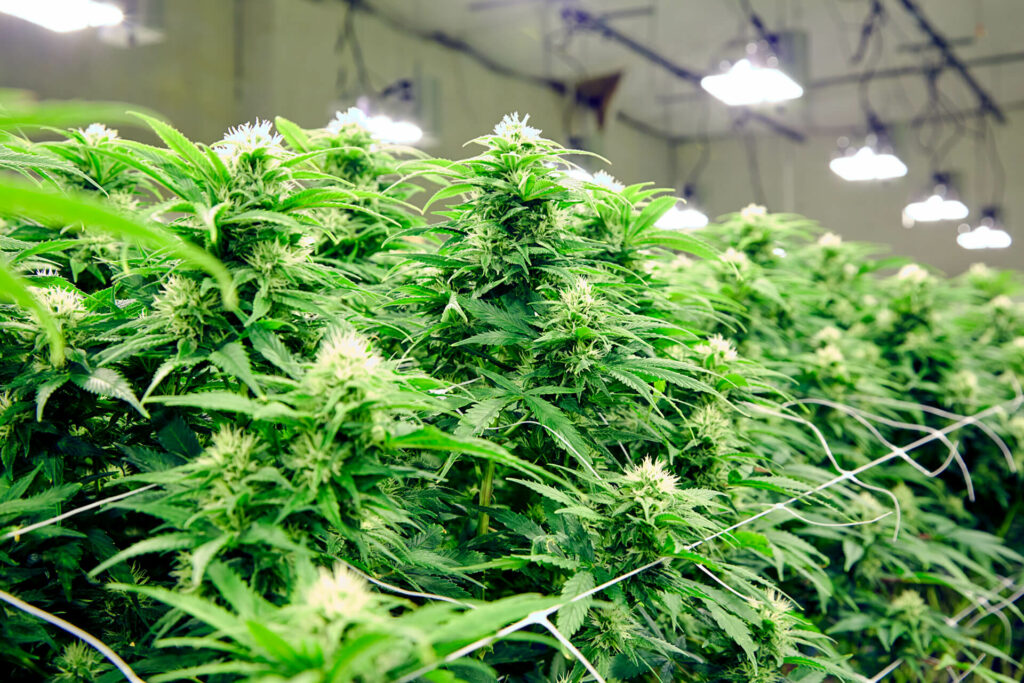
The Farm Stage - Where Quality Begins
- Single-farm or single-cooperative raw material sourcing rather than spot-market commodity
- Certified-organic agricultural practices verified by USDA NOP, EU 2018/848, or equivalent
- Chemotype-level botanical specification (Thymus vulgaris alone has thymol, linalool, and carvacrol chemotypes producing different oils)
- Harvest timing controlled to peak active concentration - rose damascena requires pre-dawn picking before terpenol volatilization
- Climate and soil conditions documented for batch traceability and chemotype consistency
Quality variation at the farm stage cascades through every downstream step. Producers running transparent CO2 extraction typically lock raw material sourcing to known-quality partners rather than relying on commodity supply.
The Extraction Stage - Where Method Defines Output
Supercritical CO2 extraction operates above CO2's critical point (31.1°C, 73.8 bar). For most diffuser-grade essential oils, typical operating envelopes run 35-55°C and 100-350 bar, preserving 90-95% of bioactives and avoiding the thermal degradation that affects steam-distilled terpinen-4-ol, citral, and other heat-sensitive compounds. Buffalo's supercritical CO2 extraction process article details the physics.
The Testing Stage - Where Quality Gets Verified
- GC-MS chromatogram identifying every significant compound by retention time and mass spectrum
- Active-percentage quantification against established benchmarks per botanical
- Residual solvent verification - CO2-extracted output is structurally residue-free
- Heavy metals panel under FCC or pharmacopoeia limits
- Microbial counts per USP <61> guidelines
- Adulteration verification via chiral GC or isotope ratio analysis, where applicable
The Bottling Stage - Where Quality Gets Preserved
Diffuser oils degrade during bottling and storage if handling is poor. Transparent producers use amber or cobalt glass bottling to block UV, nitrogen-flush headspace to minimize oxygen contact, sealed dropper closures to prevent contamination during use, batch lot numbers on every bottle for traceability, and dark, cool warehouse storage with humidity control. The bottling stage is also where allergen labeling, safety information, and use instructions get added - increasingly mandated under EU and US cosmetic regulations.

Best Essential Oils for Diffuser Use in 2026
- Lavender (Lavandula angustifolia) - sleep and relaxation; marker compounds linalool 25-38% + linalyl acetate 25-46%
- Eucalyptus (Eucalyptus globulus, radiata) - respiratory; 1,8-cineole content 70-85% in pharma-grade radiata chemotype
- Peppermint (Mentha piperita) - focus and headache support; menthol 30-55%, menthone 14-32%
- Lemon (Citrus limon) - mood elevation; cold-pressed contains 70-85% limonene; expressed form is photosensitizing
- Tea tree (Melaleuca alternifolia) - air purification; ISO 4730 mandates terpinen-4-ol ≥30%, 1,8-cineole ≤15%
- Rosemary (Rosmarinus officinalis) - three distinct chemotypes: 1,8-cineole, camphor, and verbenone, each used for different applications
- Frankincense (Boswellia carterii or sacra) - meditation and grounding; α-pinene and incensole acetate dominate
Each scales to commercial diffuser-grade output with predictable supply and broad regulatory acceptance.
Diffuser for Essential Oils - Equipment Choice Matters
Diffuser Type | Mechanism | Coverage | Best Application |
|---|---|---|---|
Ultrasonic | Water-mist dispersion | Broad-room | Casual, sleep, family rooms |
Nebulizing | Atomized undiluted oil | Strong projection | Therapeutic, clinical settings |
Heat | Gently warmed oil | Localized | Casual use (may degrade heat-sensitive oils) |
Reed | Passive aromatic release | Subtle continuous | Background ambiance |
Personal aroma stone | Direct close-proximity diffusion | Personal zone | On-the-go, single-user |
Essential Oils Diffuser Best Practices for Oil Quality
Essential oils diffuser maintenance directly affects oil quality across many cycles. Clean the diffuser between oil changes - residue from previous oils can cross-contaminate fresh additions and accelerate oxidation. Use distilled water in ultrasonic models to prevent mineral buildup. Replace diffuser stones or wicks per manufacturer's schedule. Store oils away from the diffuser when not in use, particularly heated units. Diffuser oils kept fresh and properly stored deliver consistent aromatic quality for the full 18-36 month shelf life that premium CO2-extracted oils sustain.
Wellness Applications Beyond Diffusion
- Topical massage and skincare at 1-3% dilution in carrier oil
- Steam inhalation for respiratory support - 2-3 drops in hot water
- Bath use at 5-8 drops in carrier oil added to running water
- Room sprays at 10-15 drops per 100ml water with witch hazel emulsifier
- Compress applications for muscle and tension support
Transparent CO2 extraction supports all these applications because the chemistry is preserved and verified. Buffalo's piece on which essential oils are in great demand maps the demand landscape.
Market Context
The global aromatherapy market - encompassing most diffuser and wellness use - reached USD 8.11 billion in 2026, growing at 8.4% CAGR. Alternative data from Precedence Research places the market at USD 10.21 billion in 2025, growing at 8.61% CAGR through 2035. The premium-grade segment within both data sets grows faster than the commodity tier.
How Buffalo Extraction Systems Supports Farm-to-Bottle Transparency
Buffalo Extraction Systems engineers CO2 platforms that enable transparent farm-to-bottle production. SCADA-locked recipe documentation supports traceability from raw material lot through extraction parameters into final batch number, hygienic-design construction supports USDA Organic chain-of-custody, and IQ/OQ/PQ documentation supports the audit cycles for downstream certifications. Buffalo's CO2 extraction for essential oils article details the producer-side workflow.
Conclusion
Essential oils for diffuser use today reach the consumer through a supply chain that rewards transparency. CO2 extraction anchors that transparency because the method's parameter-level control, residue-free output, and documentation-friendly workflow support disclosure at every stage. Brands embracing farm-to-bottle transparency build trust that opaque commodity competitors cannot match.
Frequently Asked Questions
Q1. What makes essential oils for diffuser use higher-quality from CO2 extraction?
Essential oils for diffuser use derived from CO2 extraction deliver fuller aromatic profiles because the method preserves the broader compound spectrum that creates aromatic depth. Steam-distilled oils may diffuse adequately, but CO2-extracted oils typically diffuse with more nuance per drop. The difference is most noticeable on floral, resinous, and aromatherapy-grade oils.
Q2. How should I choose a diffuser for essential oils - what type matters?
The diffuser for essential oils choice depends on the use case. Ultrasonic diffusers disperse oil via water mist - gentle, broad-room coverage, lower throughput. Nebulizing diffusers atomize undiluted oil - stronger projection, higher oil consumption, better for therapeutic applications. Heat diffusers gently warm oil - acceptable for casual use but can degrade heat-sensitive compounds.
Q3. What essential oils diffuser practices preserve oil quality the longest?
Essential oils diffuser best practices: clean the diffuser between oil changes to prevent residue contamination, use within 18-36 months of opening for citrus oils (12 months for fresh-cut citrus), store oils in dark glass to prevent UV oxidation, and avoid leaving oils in heated diffusers for hours when not in use. Diffuser oils kept fresh deliver consistent aromatic quality across many cycles.
Q4. Which essential oils for diffuser use are most popular in 2026?
Best essential oils for diffuser use in 2026 by consumer adoption: lavender (sleep), eucalyptus (respiratory), peppermint (focus), lemon (mood), tea tree (air purification), rosemary (clarity), and frankincense (meditation). Blends combining 2-4 of these dominate the diffuser oils retail segment. CO2-extracted versions command a growing share of the premium tier.
Build a transparent farm-to-bottle essential oils production. Buffalo Extraction Systems engineers CO2 platforms supporting full traceability documentation and certification stacks. → Plan transparent extraction: buffaloextracts.com |