What Is Spice Oil Extraction?
Spice oil extraction is the process of capturing a spice's essential oils and bioactive compounds and concentrating them into a usable ingredient. Instead of shipping, storing, and dosing bulky raw spices, food, beverage, nutraceutical, and pharmaceutical manufacturers rely on spice oil extraction to produce standardized extracts that deliver consistent flavor, aroma, and potency. From peppermint and ginger to turmeric, clove, and black pepper, spice oil extraction turns a variable raw botanical into a precise commercial ingredient.
What Is Spice Extract - and What Does Spice Extract Mean?
A common question from buyers is simply: What is spice extract? A spice extract is the concentrated aromatic and flavor fraction drawn out of a spice. The spice extract's meaning in practical, food-industry terms is a standardized flavoring ingredient - one that delivers reliable strength and character batch after batch, stores compactly, doses precisely, and carries less microbial risk than whole-spice powder. That standardization is exactly why spice extract products have largely replaced raw spice in industrial formulation.
Spice Extract vs Spice Oleoresin
Two terms dominate this industry, and the distinction matters commercially:
Spice extract / essential oil: the volatile aromatic fraction - the bright top-note aroma and flavor captured by distillation or CO2
Spice oleoresin: the complete profile - volatile essential oil plus the non-volatile resin, natural color, and pungent principles such as capsaicin in chili or curcumin in turmeric
Spice oleoresin extraction gives formulators the full, rounded character of a spice in one standardized concentrate, which is why oleoresins typically command a premium over single-fraction spice extract.
The Main Spice Oil Extraction Methods
Spice oil extraction has evolved from simple mechanical techniques to precision processes. Three methods dominate commercial production:
|
Method |
How It Works |
Output Quality |
Best For |
|---|---|---|---|
|
Steam distillation |
Steam vaporizes volatile oils, then condenses them |
Good aroma; volatiles only |
Hardy, heat-stable spices |
|
Solvent extraction |
Hexane or ethanol dissolves the compounds |
Broad capture; residue risk |
Oleoresins, lower-cost output |
|
Supercritical CO2 |
Pressurized CO2 dissolves compounds, then evaporates clean |
Highest purity; full profile |
Premium spice extract, oleoresins |
Steam distillation is simple but loses heat-sensitive volatiles; solvent extraction captures more but risks residue. Supercritical CO2 leads in purity and flavor fidelity. Buffalo Extraction Systems' guide to spice extraction methods compares all the options in depth.

Why CO2 Leads in Spice Oleoresin Extraction
Supercritical CO2 has become the benchmark for premium spice oleoresin extraction. Carbon dioxide pressurized above its critical point of 31.1°C and 73.8 bar acts as a tunable solvent that penetrates the spice matrix, dissolves the target compounds, then evaporates completely when pressure drops. The advantages are concrete:
High purity: no solvent residue (CO2 is GRAS) - clean, food-safe spices extract
Selective extraction: tuning pressure targets specific flavor, color, or pungency fractions
Flavor preservation: low operating temperatures protect delicate aroma compounds from thermal damage
Faster cycles: extraction times are significantly shorter than traditional methods
Eco-friendly: CO2 is non-toxic and recycled in a closed loop
Buffalo Extraction Systems' overview of the principles of the supercritical extraction process explains the underlying science.
Health Benefits Behind the Demand for Spice Extracts
Demand for spice oil extraction is driven partly by the functional value of the oils themselves. Commonly cited examples include:
Peppermint oil: associated with relief from bloating, indigestion, and headaches
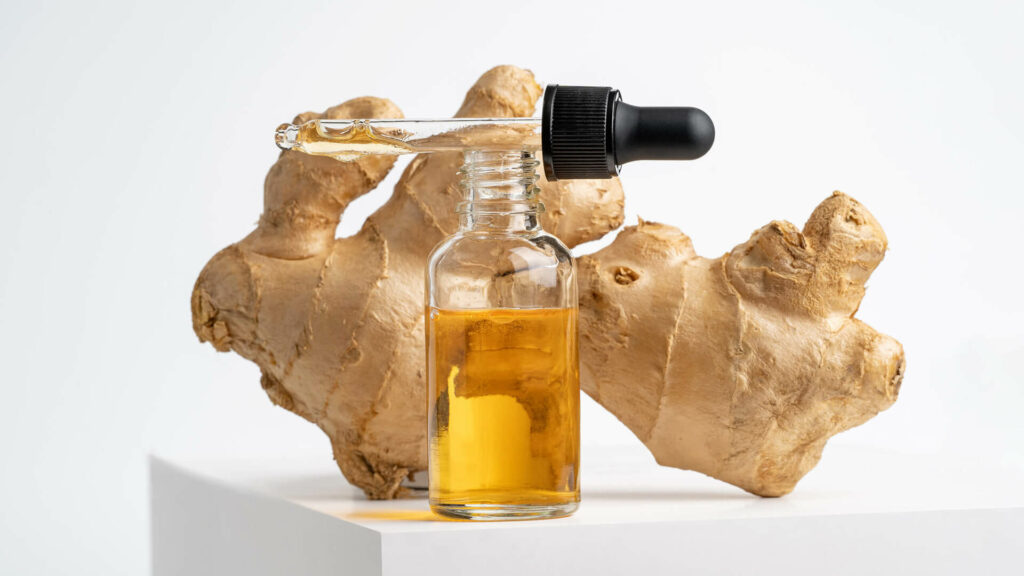
Ginger oil: associated with easing nausea, indigestion, and joint stiffness
Turmeric oil: valued for curcumin's anti-inflammatory and antioxidant activity
Clove oil: known for eugenol's analgesic and antimicrobial properties
Spice oils should be used in moderation and, for therapeutic use, in consultation with a healthcare professional - concentrated extracts are potent, and some people are sensitive to specific spice oils.
Applications of Spice Oils Across Industries
The reach of spice oil extraction extends far beyond the kitchen. Concentrated spice extracts and oleoresins serve a wide range of industries, each valuing a different property of the standardized, shelf-stable ingredient that spice oil extraction produces:
Food and beverage: standardized flavor, aroma, and natural color in place of bulky, variable raw spice
Nutraceuticals and supplements: bioactive-rich extracts such as curcumin from turmeric for functional health products
Pharmaceuticals: purified spice-derived compounds used in formulations and traditional medicine
Cosmetics and personal care: aromatic and antioxidant spice extracts for skincare and fragrance
Because a single spice oil extraction process can supply several of these markets, producers gain real commercial flexibility. The key in every case is purity and consistency, which is why the GRAS-recognized supercritical CO2 route is so widely favored. Buffalo Extraction Systems' overview of CO2 extraction for essential oils shows the technology applied across these categories.
Choosing the Right Spice Oil Extraction Setup
Selecting equipment for spice oil extraction means matching the technology to the product, scale, and budget - there is no single right answer, only the right fit for a given operation. Several factors guide the decision:
Target product: bright spice essential oils may suit steam distillation, while full-profile spice oleoresin extraction favors CO2 or solvent methods
Production scale: pilot systems suit R&D and boutique output; industrial systems serve high-volume manufacturing
Operating parameters: supercritical CO2 systems work above the critical point of 31.1°C and 73.8 bar, with pressure tuned to the spice
Compliance: CE, ASME, and GMP certification for food-grade and export-market production
Matching these factors avoids both wasted capital and capacity bottlenecks. A capable supplier acts as an engineering partner rather than just a vendor, helping match the system to the spice and the goal. Buffalo Extraction Systems' guide to spice extraction methods and the principles of the supercritical extraction process help match the setup to the goal.
Conclusion
Spice oil extraction turns raw botanicals into the precise, concentrated ingredients modern manufacturing depends on. Knowing the spice extract meaning - a standardized, reliable flavoring - and the difference between a single-fraction spice extract and a full spice oleoresin helps producers choose the right input for their product. While steam distillation and solvent extraction still have their place, supercritical CO2 now leads spice oleoresin extraction in terms of purity, selectivity, and flavor preservation, making it the method of choice for premium spice extracts. For producers planning a spice oil extraction operation, carefully matching the method, the equipment, and the production scale to the target market is what turns a sound technical choice into a profitable, sustainable one.
Frequently Asked Questions (FAQ)
Quick answers to the most common questions about this topic. These match the FAQPage schema markup at the end of this document - please keep both in sync if any answer is edited.
Q1. What is spice oil extraction?
Spice oil extraction is the process of separating the aromatic essential oil and bioactive compounds of a spice from its raw plant material. The result is a concentrated, standardized ingredient used in food, beverage, nutraceutical, and pharmaceutical manufacturing in place of bulky whole spices.
Q2. What is spice extract, and how is it different from an oleoresin?
A spice extract usually refers to the volatile essential oil fraction - the aroma and top-note flavor. A spice oleoresin is the fuller extract, containing both the volatile essential oil and the non-volatile resinous fraction, color, and pungent principles such as capsaicin or curcumin.
Q3. What is the meaning of spice extract in food manufacturing?
In food manufacturing, the spice extract is a concentrated, standardized flavoring derived from a spice. It delivers consistent taste, aroma, and potency batch after batch, is easier to store and dose than raw spice, and reduces microbial risk compared with whole-spice powders.
Q4. Which method is best for spice oleoresin extraction?
Supercritical CO2 extraction is widely regarded as the best method for spice oleoresin extraction. It captures both the volatile oil and the resinous fraction, operates at low temperature to protect delicate aromatics, and leaves no solvent residue - producing clean, full-profile spice extract.
Q5. Why are spice extract products preferred over whole spices?
Spices extract products offer standardized strength, longer shelf life, lower storage volume, better microbial safety, and consistent flavor dosing. For manufacturers, that means tighter quality control and simpler formulation than working with variable whole-spice raw material.
|
Produce pure spice extracts with the right extraction system. Buffalo Extraction Systems engineers supercritical CO2 and cryo-ethanol spice oil extraction systems - CE, ASME, and GMP compliant, from pilot to industrial scale. → Discuss your spice extraction project: buffaloextracts.com |