What Is Oleoresin? The Working Definition
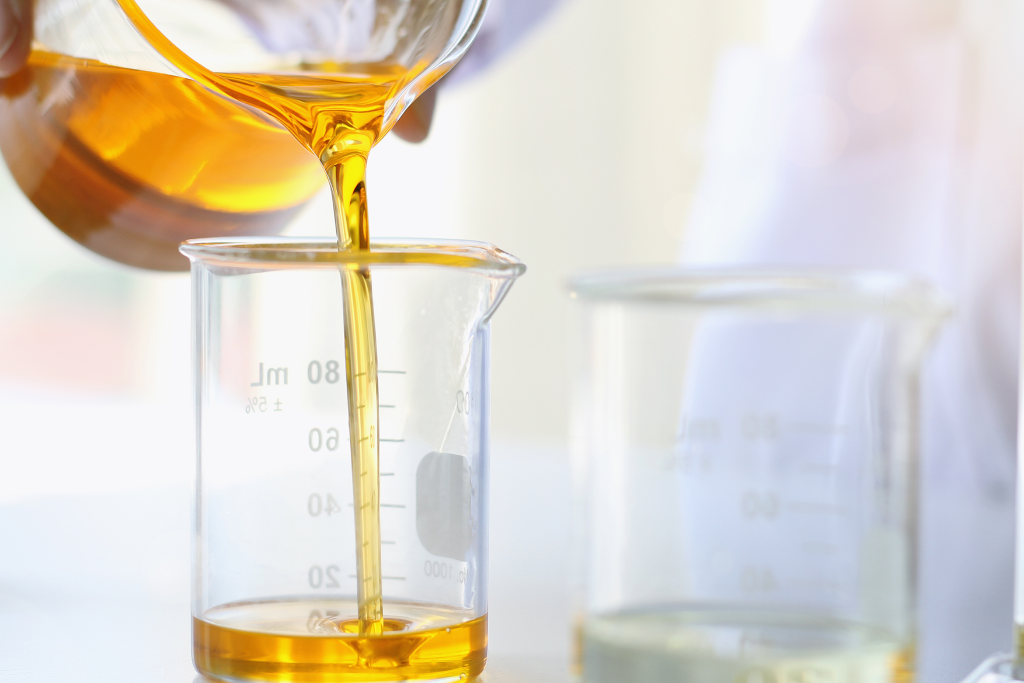
So, what is oleoresin? An oleoresin is a concentrated spice extract that captures both the volatile aromatic oil and the non-volatile resinous fraction of a spice in one standardized ingredient. The oleoresin meaning, in commercial terms, is simple: the full flavor, color, and pungent character of a spice - piperine in black pepper, capsaicin in chili, curcumin in turmeric, gingerol in ginger - concentrated into a viscous extract that food manufacturers can dose precisely. Instead of storing tonnes of raw spice with variable strength, microbial load, and bulk, manufacturers buy oleoresins by the kilogram and get the same flavor profile in every batch.
Oleoresin vs Essential Oil
Buyers often confuse the two - but the difference is commercially significant.
Factor | Essential Oil | Oleoresin |
|---|---|---|
Composition | Volatile aromatic compounds only | Volatile oil + non-volatile resin, color, and pungent principles |
Flavor profile | Top-note aroma, no pungency | Full character - aroma, body, pungency, color |
Yield from raw spice | 0.5-3% typically | 3-15% typically |
Best application | Fragrance, beverage aroma, perfumery | Savory food, seasoning blends, sauces, ready meals |
Standardization | By volatile-oil profile | By active-compound % (piperine, capsaicin, curcumin) |
The decision in oleoresin vs essential oil comes down to whether the product needs only aroma or the full sensory profile. Curry pastes, snack seasonings, hot sauces, and meat marinades almost always call for oleoresin; clear beverages and confectionery aromas often use essential oil.
How Oleoresins Are Extracted, Step by Step
The oleoresin extraction process follows a clear sequence, whether the operator uses a food-grade solvent or supercritical CO2:
- 1. Raw material preparation: the spice is cleaned, dried to a controlled moisture, and milled to a consistent particle size to expose surface area
- 2. Extraction: solvent (typically ethanol, hexane, or acetone) or supercritical CO2 percolates through the bed, dissolving volatiles, resin, color, and pungent principles
- 3. Separation: the loaded solvent stream is separated from the spent biomass
- 4. Desolventization: solvent is evaporated off - typically under vacuum to protect heat-sensitive compounds - and recycled
- 5. Standardization: the crude oleoresin is analyzed and adjusted to a target active-compound percentage (piperine %, capsaicin units, curcumin %)
- 6. Quality control: testing for residual solvent, microbial count, heavy metals, and aflatoxins before packaging
Modern operations increasingly favor supercritical CO2 because it leaves no residual solvent and operates at low temperature. CO2 above its critical point of 31.1°C and 73.8 bar acts as a tunable solvent and reverts to gas at ambient pressure, so the finished oleoresin is genuinely solvent-free. Buffalo Extraction Systems' comprehensive guide on spice oil extraction covers each stage in production detail.
Black Pepper Oleoresin in Practice
Black pepper oleoresin is one of the highest-volume oleoresins worldwide. It contains the volatile pepper oil that gives aroma and the pungent alkaloid piperine that delivers heat. Commercial black pepper oleoresin is standardized to a defined piperine content - usually 35-50% by weight - and a specified volatile-oil percentage. Yields from dried black pepper typically run 10-13% by solvent extraction and 6-12% by supercritical CO2, with CO2 producing a cleaner, lower-residue product. Food manufacturers use black pepper oleoresin in seasonings, snack coatings, ready meals, and meat applications, dosing a fraction of a percent to replace ground pepper while improving consistency, microbial safety, and shelf life.
Producing Ginger Concentrates: Process and Yield
Ginger oleoresin extraction captures both the spicy gingerol and shogaol pungent compounds and the warm volatile oil dominated by zingiberene. Dried, milled ginger is typically extracted with ethanol or supercritical CO2, then desolventized and standardized to a target gingerol content. Typical yields from ginger oleoresin extraction run 4-9% by weight of dried ginger, depending on the cultivar (Indian, Chinese, or Nigerian ginger differ materially), the drying method (low-temperature drying preserves more pungency), and the extraction technology. Manufacturers use ginger oleoresin in beverages, baked goods, savory sauces, nutraceuticals, and confectionery - dosing a measured concentrate instead of variable ground ginger.
Typical Yields by Spice
Oleoresin yields vary materially by spice. Approximate commercial ranges:
Spice | Typical Oleoresin Yield | Key Active Compound |
|---|---|---|
Black pepper | 10-13% (solvent) / 6-12% (CO2) | Piperine |
Ginger | 4-9% | Gingerol, shogaol |
Capsicum / chili | 12-15% | Capsaicin |
Turmeric | 7-15% | Curcumin |
Cardamom | 6-12% | 1,8-cineole, α-terpinyl acetate |
Nutmeg | 10-12% | Myristicin, sabinene |
Paprika | 12-15% | Capsanthin (color) |
These are working ranges from commercial practice; actual yield depends on raw-material quality, particle size, extraction parameters, and the chosen method. A new producer should always conduct trial batches before committing to volume contracts.

What a Production Line Includes
Oleoresin extraction equipment is an integrated chain, not a single machine. A complete oleoresin extraction equipment line typically includes:
- Pre-processing: cleaning, drying, and milling to deliver feed at consistent particle size and moisture
- Extraction vessels: jacketed, agitated, or percolation-style vessels for solvent extraction, or high-pressure stainless steel vessels for supercritical CO2
- Solvent or CO2 circulation: pumps, flow control, and heat exchangers that hold parameters steady through the cycle
- Separation and desolventization: vacuum evaporators, falling-film or rotary, that recover solvent for reuse
- CO2 recovery loop (for SCFE): condensers and storage that recycle 95%+ of the CO2 per cycle
- Standardization and storage: blending tanks where the crude oleoresin is adjusted to specification and packed in food-grade containers
- SCADA control and traceability: automated parameter logging that supports cGMP and audit readiness
The right oleoresin extraction equipment depends on target spices, throughput, and certification needs. Buffalo Extraction Systems' overview of spice extraction methods and the supercritical fluid extraction process detail the engineering trade-offs.
Why Food Manufacturers Choose Oleoresins
- Standardization: precise, repeatable active-compound levels in every batch
- Dosing precision: a few grams of oleoresin replaces several kilograms of raw spice with identical flavor impact
- Microbial safety: extraction and processing destroy the microbial load raw spices carry, lowering recall risk
- Shelf life and storage: concentrated oleoresins occupy a fraction of the volume of raw spice and resist degradation
- Consistency: protects finished-product flavor against the seasonal and varietal variation of agricultural raw material
- Regulatory fit: with CO2 as a GRAS processing aid, CO2-extracted oleoresins simplify clean-label and export-market compliance
Sourcing in India: What to Look For
India is the world's largest producer of oleoresins, drawing on its position as a leading grower of pepper, chili, turmeric, ginger, and cardamom. The southern states - Kerala, Karnataka, Tamil Nadu, and Andhra Pradesh - host the densest concentration of oleoresin manufacturers in India, supplying domestic food processors and exporting to the United States, Europe, the Middle East, and East Asia. The industry has matured around large-scale solvent extraction and, increasingly, supercritical CO2 capacity.
For food manufacturers sourcing from oleoresin manufacturers in India, a few criteria separate dependable partners from risky ones:
- Certifications: FSSAI registration domestically, plus FSSC 22000, ISO 22000, BRC, or Halal/Kosher for export markets
- Standardization data: documented piperine, capsaicin, or curcumin percentages per batch, with certificates of analysis
- Residual solvent control: compliance with ICH Q3C residual solvent guidelines where applicable
- Traceability: clear sourcing of the raw spice, ideally with farm-level visibility
- Extraction technology: CO2 capability is a strong signal of modernization and clean-label readiness
Buffalo Extraction Systems, headquartered in Pune, engineers the supercritical CO2 and cryogenic ethanol extraction equipment that many Indian oleoresin manufacturers use to modernize their production. Its overview of how GMP compliance is built into extraction systems explains the engineering side of supplier capability.
How Buffalo Extraction Systems Helps
Buffalo Extraction Systems is an extraction-equipment manufacturer headquartered in Pune, India. It engineers the upstream production technology - supercritical CO2 and cryogenic ethanol extraction systems - that food processors and oleoresin producers use to make standardized, residue-free spice extracts. Buffalo Extraction Systems does not produce or sell oleoresins itself; it supplies the equipment platform that producers build around. Its work in this space typically covers:
- Scale-matched extraction systems: pilot, commercial, and industrial-scale CO2 and cryo-ethanol platforms, sized to the producer's throughput and growth roadmap
- Hygienic, food-grade construction: stainless steel product-contact surfaces and design suited to cGMP-compliant operation
- Precise parameter control: SCADA-based automation that holds pressure, temperature, and flow steady - the foundation of consistent oleoresin standardization batch after batch
- Closed-loop CO2 recovery: efficient recycling of carbon dioxide to lower operating cost and environmental impact
- Certification-ready engineering: systems built to recognized standards including CE and ASME, supporting export-market access
- Process guidance from a Pune-based engineering team: an India-based partner for the country's large oleoresin-producing community
For food manufacturers planning their own oleoresin production or evaluating upgrades to existing capacity, Buffalo Extraction Systems acts as the engineering partner on the equipment side of the decision. Its overview of how GMP compliance is built into extraction systems and scaling from lab to industry outline the approach in more detail.
Conclusion
Now to bring the question full circle: what is oleoresin? It is the standardized, concentrated form of a spice - the full flavor, color, and pungency captured in one ingredient that food manufacturers can dose precisely and store efficiently. The oleoresin extraction process pairs careful raw-material preparation with solvent or supercritical CO2 extraction, then standardization to a defined active-compound level. Black pepper oleoresin and ginger oleoresin extraction illustrate the commercial range; the right oleoresin extraction equipment, matched to the spice and scale, makes the difference between an average and a premium output. For food manufacturers evaluating oleoresin manufacturers in India or building their own capacity, understanding these fundamentals is what turns a sourcing decision into a strategic one.
Frequently Asked Questions
What is oleoresin in simple terms?
An oleoresin is a concentrated spice extract that captures both the volatile essential oil and the non-volatile resinous fraction of a spice - the full flavor, color, and pungent character in a single standardized ingredient. Food manufacturers use oleoresins in place of bulky raw spices for consistent, controlled flavoring.
What is the difference between oleoresin vs essential oil?
Essential oil contains only the volatile aromatic fraction - bright top-note aroma and flavor. Oleoresin contains the essential oil plus the non-volatile resin, natural color, and pungent principles such as piperine in black pepper or curcumin in turmeric. Oleoresin delivers the full character; essential oil delivers only the aroma.
How is black pepper oleoresin extracted?
Black pepper oleoresin is produced by extracting milled pepper with a food-grade solvent (typically ethanol or hexane) or with supercritical CO2. The extract is desolventized, then standardized for piperine content - usually 35-50% - and for volatile oil to deliver consistent pungency and aroma.
What yield can I expect from ginger oleoresin extraction?
Ginger oleoresin yields typically range from about 4-9% by weight of dried ginger, depending on the variety, drying method, and extraction technology. Supercritical CO2 extraction generally delivers cleaner, lower-residue oleoresins; solvent extraction often produces higher gross yields.
What should food manufacturers look for in oleoresin suppliers?
Look for documented standardization of active compounds (piperine, capsaicin, curcumin), residue-free production where possible, food-safety certifications (cGMP, FSSC 22000, ISO), traceable raw-material sourcing, and consistent batch-to-batch quality supported by certificates of analysis. Indian suppliers should hold FSSAI registration and the relevant export certifications.
Build oleoresin extraction capacity with the right equipment. Buffalo Extraction Systems engineers supercritical CO2 and cryogenic ethanol oleoresin extraction equipment - CE, ASME, and GMP compliant, from pilot to industrial scale. → Discuss your oleoresin extraction project: buffaloextracts.com |