What Is the Supercritical Fluid Extraction Process?
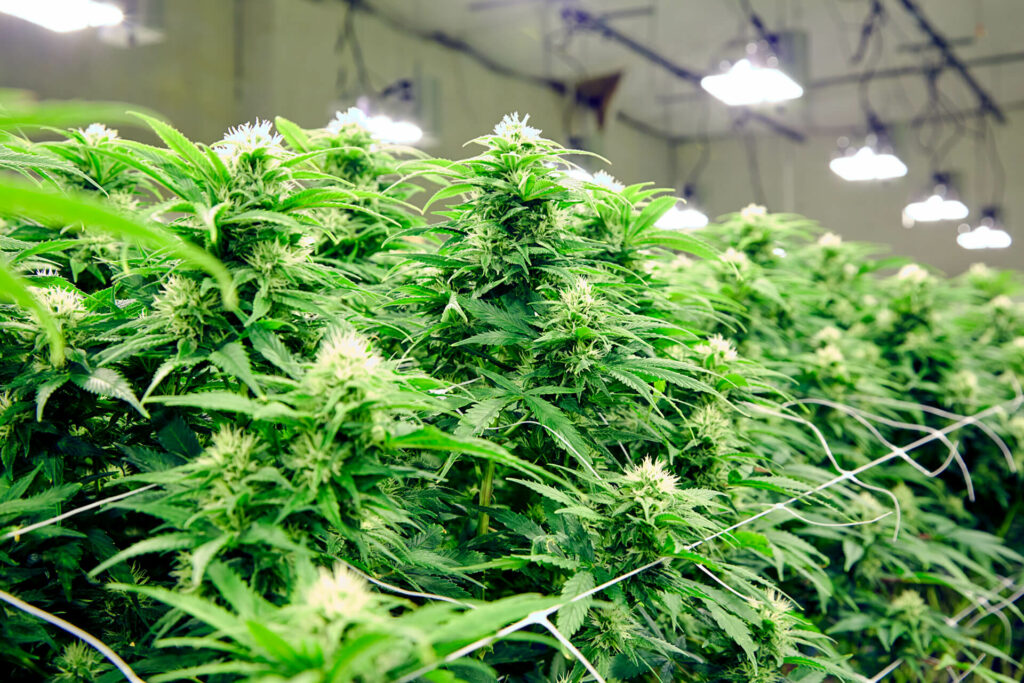
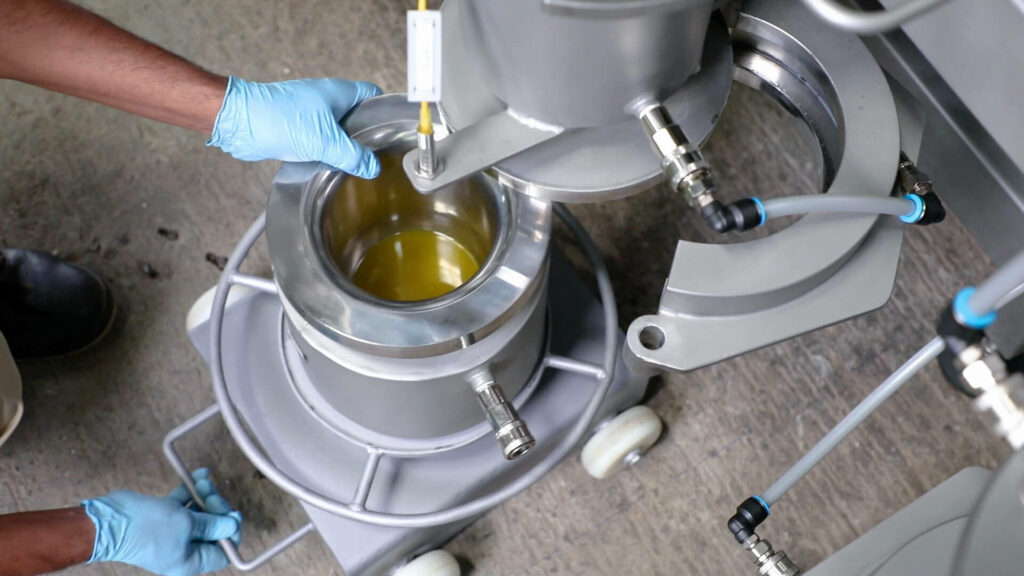
The supercritical fluid extraction process (SCFE) is a separation method that uses supercritical fluids - typically supercritical carbon dioxide - to extract valuable compounds from plants, herbs, spices, and other raw materials. Plant extracts are used across the food, dietary supplement, pharmaceutical, nutraceutical, essential oil, spice, flavor, and fragrance industries, and they deliver their promised benefits only when they are pure. That is exactly why the supercritical fluid extraction process has become so important: it produces clean, high-purity extracts that traditional methods struggle to match.
How Supercritical Fluid Extraction Works
Supercritical fluid extraction works by exploiting a unique state of matter. When carbon dioxide is held above its critical point of 31.1°C and 73.8 bar, it becomes a supercritical fluid - it diffuses through solid material like a gas while dissolving compounds like a liquid. By adjusting pressure and temperature, operators precisely tune the fluid's solvating power. Once extraction is complete, the pressure is released, the CO2 reverts to gas, and the pure extract is left behind.
The Key Advantages of Supercritical Fluid Extraction
The advantages of supercritical fluid extraction explain its rapid adoption across industries:
Selective extraction: pressure and temperature can be tuned to target specific compounds - for example, separating compounds by solubility, or extracting phenolics from Acai pulp at 350 bar and anthocyanin at 220 bar
Minimal residue: CO2 evaporates completely, leaving virtually no residual solvent - crucial for pharmaceutical and food purity (CO2 is GRAS)
- Non-toxic and environmentally friendly: CO2 replaces hazardous solvents like hexane, reducing health and environmental risk
- Low operating temperatures: CO2's low critical temperature (31.1°C) prevents thermal degradation of sensitive compounds
- High yield efficiency: fast extraction with lower energy use than many traditional methods
Buffalo Extraction Systems' overview of the principles of the supercritical extraction process explains the science behind each advantage.
More Benefits: Quality, Consistency, and Fractionation
Beyond the core advantages, the supercritical fluid extraction method offers several further benefits that matter to commercial producers:
- Scalability: the process scales from research units to industrial systems without changing the method
- Versatility: it extracts essential oils, flavors, fragrances, nutraceuticals, and active pharmaceutical ingredients
- Product quality: gentle, selective extraction preserves natural flavor, aroma, and bioactivity
- Consistency: precise parameter control delivers exceptional batch-to-batch reproducibility
- Fractionation: different compounds can be separated from the same material by solubility
- Reduced post-processing: selectivity and low residue cut the need for filtration and purification steps
As one example of selectivity, conventional hexane or acetone extraction of astaxanthin from microalgae caps out around 6.7% concentration because it cannot separate astaxanthin from lipids, while supercritical fluid extraction delivers a 14% astaxanthin concentrate.
Supercritical Fluid Extraction Equipment
A complete supercritical fluid extraction equipment package integrates several subsystems:
- Extraction vessel: a high-pressure chamber holding the raw material
- CO2 pump: pressurizes and circulates the carbon dioxide
- Separators: where pressure drops and the extract precipitates from the gas
- Heat exchangers and chillers: maintain precise process temperatures
- CO2 recovery loop: condenses and recycles the gas, recovering up to 95%
- SCADA control: automates recipes and logs pressure, temperature, and flow
Buffalo Extraction Systems builds this equipment across pilot, commercial, and industrial scales. Its overview of CO2 extraction for essential oils shows the systems in a production context.
Environmental and Sustainability Advantages
Sustainability has become a decisive factor in extraction technology choices, and here the supercritical fluid extraction process holds a clear edge. Carbon dioxide, the working solvent, is non-toxic, non-flammable, and not a volatile organic compound. In a properly designed supercritical fluid extraction system, the CO2 is recirculated in a closed loop rather than vented - so although CO2 is a greenhouse gas, the process itself is effectively non-emitting, recovering up to 95% of the solvent for reuse.
This stands in sharp contrast to traditional solvent extraction, which relies on hazardous organic solvents that pose health risks, demand careful disposal, and can leave harmful residues. The advantages of supercritical fluid extraction, therefore, extend well beyond product purity: lower hazardous-waste generation, reduced worker exposure, no flammable-solvent fire risk, and a smaller environmental footprint overall. For producers facing tightening environmental regulations and rising consumer expectations around sustainable manufacturing, these benefits are increasingly central to the business case. Choosing the super critical fluid extraction method is not only a quality decision - it is an environmental and reputational one, aligning production with the sustainability goals that customers, regulators, and investors now expect.
Industries That Depend on the Supercritical Fluid Extraction Process
The reach of the supercritical fluid extraction process extends across nearly every industry that relies on pure, natural extracts. Each sector values a different facet of the technology:
- Pharmaceuticals: solvent-free, high-purity actives that meet stringent regulatory standards and preserve fragile bioactive molecules
- Nutraceuticals and dietary supplements: standardized, potent botanical extracts such as curcumin, omega-3s, and adaptogen actives
- Food and beverage: clean flavors, natural colors, and oleoresins produced without residual solvents or off-notes
- Cosmetics and personal care: delicate botanical actives captured at low temperature for premium, natural-label skincare
- Essential oils and fragrance: true-to-nature aromatic profiles that heat-based distillation cannot match
This versatility is a major commercial advantage. A single supercritical fluid extraction process platform can serve multiple product lines, letting a producer diversify without investing in a separate extraction technology for each market.
Operating Parameters That Shape Results
Mastering the super critical fluid extraction method means understanding the handful of parameters that govern every run. Pressure is the primary lever - raising it increases CO2 density and solvent power, capturing heavier compounds, while lower pressure favors light, volatile aromatics. Temperature works alongside pressure to fine-tune selectivity and protect heat-sensitive molecules. CO2 flow rate determines how quickly solvent contacts the material and influences both cycle time and yield. Extraction time balances completeness against efficiency, and the use of a cosolvent such as ethanol extends the process to more polar compounds. Skilled operators treat these variables as a recipe - documented, validated, and repeated - which is what gives the supercritical fluid extraction process its hallmark batch-to-batch consistency.
Conclusion
The supercritical fluid extraction process has earned its place as the modern standard for high-purity extraction. By turning carbon dioxide into a tunable, residue-free solvent, it delivers selective extraction, preserved potency, scalability, and batch-to-batch consistency that traditional methods cannot match. For producers across food, pharma, nutraceutical, and essential oil industries, the advantages of supercritical fluid extraction - and the right supercritical fluid extraction equipment - translate directly into purer products and stronger margins.
Frequently Asked Questions (FAQ)
Q1. What is the supercritical fluid extraction process?
The supercritical fluid extraction process (SCFE) is a separation method that uses a supercritical fluid - most commonly supercritical CO2 - to extract compounds from plant or other material. Above its critical point the fluid has liquid-like density and gas-like diffusivity, letting it dissolve target compounds efficiently and cleanly.
Q2. What are the main advantages of supercritical fluid extraction?
The advantages of supercritical fluid extraction include selective extraction through pressure and temperature control, minimal solvent residue, non-toxic and environmentally friendly operation, low operating temperatures that protect heat-sensitive compounds, high yield efficiency, scalability, and excellent batch-to-batch consistency.
Q3. Why does the supercritical fluid extraction process leave no residue?
Carbon dioxide is the solvent, and it returns to a gaseous state at ambient pressure. Because it simply evaporates away after extraction, the supercritical fluid extraction process leaves virtually no residue - a critical purity advantage for pharmaceutical, food, and nutraceutical applications.
Q4. What does supercritical fluid extraction equipment include?
Supercritical fluid extraction equipment includes a high-pressure extraction vessel, a CO2 pump, one or more separators, heat exchangers and a chiller for temperature control, and a CO2 recovery loop. Modern systems add SCADA automation for recipe control and parameter logging.
Q5. Is the super critical fluid extraction method scalable?
Yes. The super critical fluid extraction method scales from small research units to large industrial systems without changing the underlying process. This makes it suitable for both pilot-scale development and high-volume commercial manufacturing across many industries.
|
Invest in proven supercritical fluid extraction equipment. Buffalo Extraction Systems engineers supercritical CO2 extraction systems with precise pressure control and SCADA automation, from pilot to industrial scale. → Discuss your extraction project: buffaloextracts.com |