The Three Factors That Define a CO2 Extraction Machine Decision
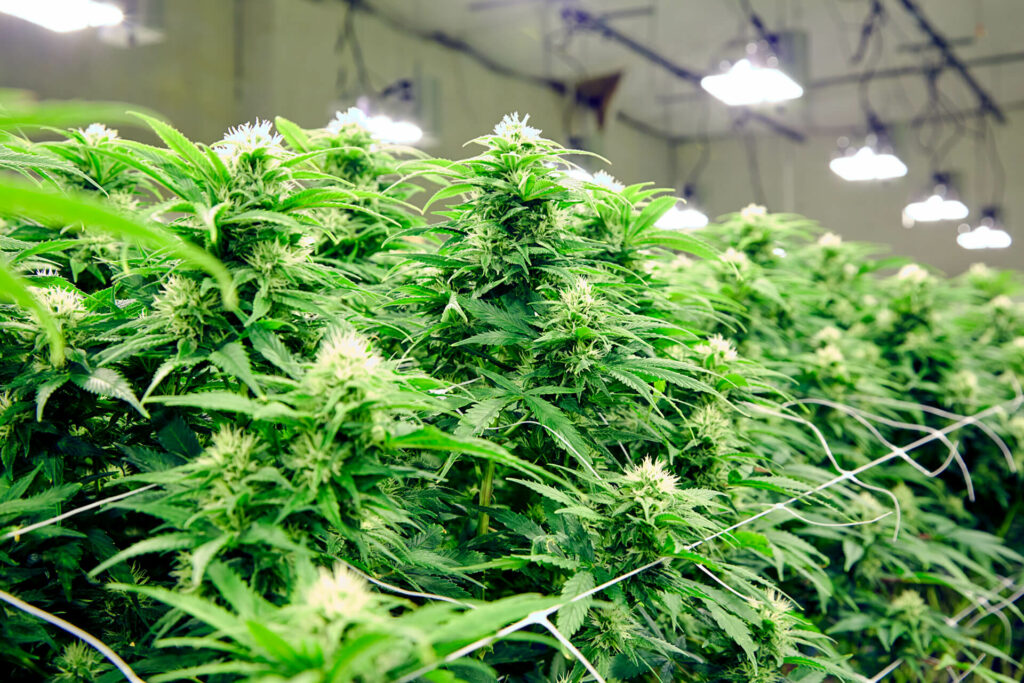
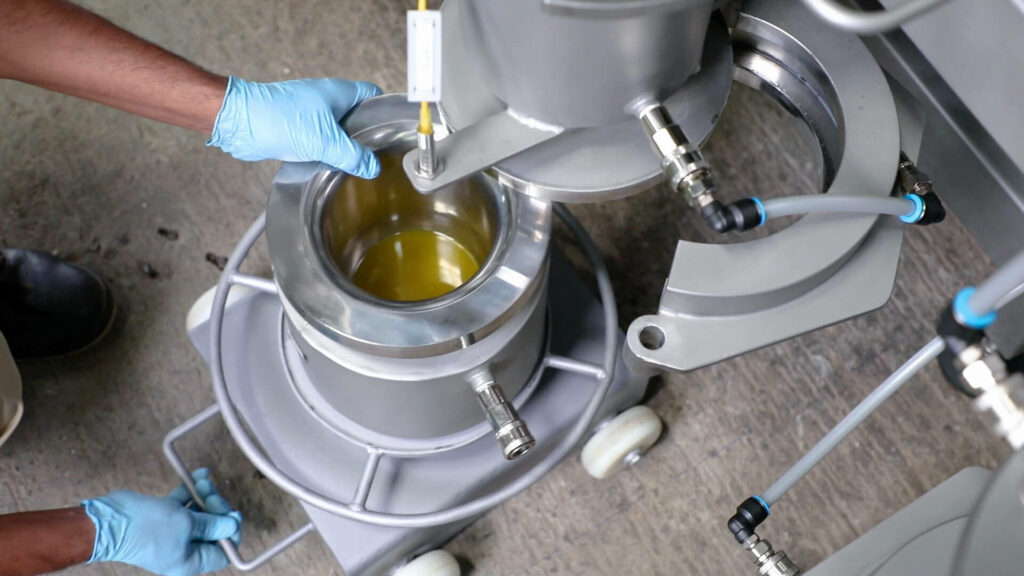
The botanical and pharmaceutical industries increasingly rely on the CO2 extraction machine to produce high-purity oils, isolates, and concentrates from hemp, cannabis, hops, lavender, and other botanicals. These systems use supercritical carbon dioxide - a solvent state achieved above its critical point of 31.1°C and 73.8 bar - for precise, residue-free extraction. But whether a CO2 extraction machine is the right investment hinges on three interlocking factors: cost, safety, and food-grade compliance.
How Cost Shapes CO2 Extraction Machine Selection
CO2 extraction machine cost significantly influences adoption, and price scales with capacity, automation, and certification:
System Tier | Best Suited For | Cost Consideration |
|---|---|---|
Lab-scale | R&D, boutique essential-oil batches | Lowest entry price |
Mid-tier | Small business, moderate batch sizes | Co-solvent pump, SCADA add cost |
Industrial | High-volume commercial production | Highest cost; best per-kg economics |
Higher supercritical CO2 extraction machine price reflects robust components - proprietary changeover valves, high-flow pumps - that enable efficient CO2 recyclability and cut solvent costs versus ethanol methods. Modular designs allow phased investment, so a business can scale from pilot to industrial without a full system overhaul. Lower utility costs from CO2 recycling and energy-optimized chillers reduce long-term expense, and premium isolates command higher market prices - together supporting ROI despite a high upfront cost.
Safety in the Supercritical CO2 Extraction Process
Safety is a cornerstone of any CO2 extraction machine, because the supercritical CO2 extraction process involves high pressures and temperatures. While CO2 itself is non-flammable and non-toxic - a major advantage over hydrocarbon solvents - the key risks are high-pressure decompression and CO2 exposure. A well-engineered machine manages these through:
- Pressure relief valves and automated emergency shutdown systems
- Gas leak detectors and continuous CO2 monitoring with proper ventilation
- Superior sealing technology to prevent leaks and seal failure
- SCADA-enabled remote monitoring with real-time pressure and seal-wear alerts
Buffalo Extraction Systems' guidance on safe CO2 extraction methods details how engineering controls protect both operators and the investment.
Food-Grade Compliance and the CO2 Extraction Machine
Food-grade compliance is paramount for any CO2 extraction machine producing edibles, nutraceuticals, or pharmaceuticals. Supercritical CO2's non-toxic, residue-free nature makes it inherently suited to compliance - unlike solvent methods that risk residual chemicals. Compliant systems use 316L stainless steel product-contact surfaces, validated cleaning protocols, and certifications such as cGMP (21 CFR Part 211) and ASME. This ensures residue-free output and unlocks export-market access. Buffalo Extraction Systems' overview of hygienic design and cGMP compliance explains the design choices behind compliant systems.
How the Three Factors Interconnect
- Cost, safety, and food-grade compliance are deeply interconnected in any CO2 extraction machine decision:
- Higher safety standards raise cost but enable the compliance that unlocks premium markets like pharmaceuticals
- Food-grade compliance adds validation cost but reduces recall risk and supports premium pricing
Modular, well-engineered systems balance all three - cost-effective scaling with robust safety and compliance
The result is that the cheapest CO2 extraction machine is rarely the most economical over its life. Buffalo Extraction Systems' look at the economic viability of an extraction method explores this total-cost-of-ownership logic.
Choosing an Industrial CO2 Extractor
For high-volume producers, an industrial CO2 extractor is the right tier - its higher cost is justified by lower per-kilogram processing economics. The key is sizing the system to real demand: an oversized industrial CO2 extractor locks up capital, while an undersized one bottlenecks production. Phased, modular scaling lets a producer validate at pilot scale before committing to industrial capacity, keeping the supercritical CO2 extraction machine price aligned with actual production needs.
Phased Investment and Financing Options
The substantial cost of a CO2 extraction machine does not have to be met in a single step. One of the most practical strategies for managing the investment is phased scaling, and modern modular system designs make it possible. Rather than committing to a full industrial CO2 extractor immediately, a producer can begin at a pilot or commercial scale, validate the process and the market, and expand capacity as revenue grows.
This phased approach has real financial advantages. It reduces upfront capital exposure, lets the business prove demand before scaling, and spreads the supercritical CO2 extraction machine price across a period when the equipment is already generating income. Several financing routes can ease the burden further: equipment leasing, which preserves working capital; financing arrangements that align payments with production income; and, in some regions, tax incentives for sustainable manufacturing technology. For many producers, the smartest path is not the lowest CO2 extraction machine cost on day one, but a phased, well-financed investment that matches spending to the operation's real growth.
Hidden Costs Beyond the Purchase Price
When buyers compare the CO2 extraction machine cost, they often focus on the quoted price and underestimate the expenses that accumulate afterward. A realistic budget accounts for several costs the sticker price never shows:
- Installation and commissioning: site preparation, utilities, and qualified setup of the supercritical CO2 extraction process line
- CO2 supply: ongoing carbon dioxide costs, which rise and fall with supply-chain conditions
- Consumables and spare parts: seals, filters, and valves that wear and need periodic replacement
- Energy: continuous power for chillers and pumps, a major share of operating expense
- Compliance and validation: microbial testing, traceability logs, and periodic audits
- Training and labor: skilled operators and their ongoing development
Factoring these into the decision reveals the true supercritical CO2 extraction machine price over the equipment's lifetime. An industrial CO2 extractor with a higher quoted price but lower energy draw, better CO2 recovery, and reliable parts availability frequently proves cheaper per kilogram of output than a budget alternative.
Building a Return-on-Investment Case
A sound CO2 extraction machine purchase is ultimately justified by return on investment, not by minimizing upfront cost. The ROI case rests on a few measurable drivers: premium pricing for the high-purity, residue-free extracts the supercritical CO2 extraction process delivers; yield improvements from precise, well-engineered systems; lower solvent costs thanks to closed-loop CO2 recycling; and access to regulated, high-value markets that compliance unlocks. A producer who models payback period and projected margins - rather than only comparing quoted prices - will usually find that a properly specified, compliant CO2 extraction machine pays for itself well within its working life, while a cost-cut purchase erodes margins through downtime, rework, and lost market access.
Conclusion
Cost, safety, and food-grade compliance together shape every CO2 extraction machine decision. CO2 extraction machine cost determines accessibility; safety engineering protects operators and uptime; food-grade compliance unlocks premium and export markets. The smartest approach evaluates all three as a connected system - and recognizes that a well-engineered, compliant, properly sized supercritical CO2 extraction machine delivers the strongest long-term return, whatever its initial price.
Frequently Asked Questions (FAQ)
Q1. How much does a CO2 extraction machine cost?
The CO2 extraction machine cost varies widely by scale and features. Lab-scale units suit R&D and boutique production at the lowest price point; mid-tier systems with automation cost more; industrial CO2 extractor lines carry the highest cost. Used-equipment markets and modular designs lower the entry barrier.
Q2. What drives supercritical CO2 extraction machine price?
Supercritical CO2 extraction machine price is driven by vessel scale, automation level (SCADA), certifications (cGMP, ASME, PED, CE), and component quality, such as changeover valves and high-flow pumps. Higher upfront cost is offset by CO2 recycling, lower utility costs, and premium-grade output.
Q3. Is a CO2 extraction machine safe to operate?
Yes, when properly engineered. CO2 is non-toxic and non-flammable, reducing fire risk versus hydrocarbon solvents. Safe operation depends on pressure relief valves, automated emergency shutdown, gas leak detection, ventilation, and operator training to manage high-pressure and CO2-exposure risks.
Q4. What makes a CO2 extraction machine food-grade compliant?
Food-grade compliance requires 316L stainless steel product-contact surfaces, validated cleaning protocols, and certifications such as cGMP and ASME. These ensure extracts are residue-free and safe for edible, nutraceutical, and pharmaceutical applications and meet export-market standards.
Q5. Why choose an industrial CO2 extractor over a smaller system?
An industrial CO2 extractor handles high-volume production where throughput justifies the higher cost. Larger systems lower per-kilogram processing costs at scale, but should be sized to real demand - modular designs allow phased scaling from pilot to industrial without full replacement.
Invest in a compliant, well-engineered CO2 extraction machine. Buffalo Extraction Systems engineers cGMP and ASME-compliant CO2 extraction machines with SCADA automation and robust safety systems - pilot to industrial scale. → Discuss your extraction project: buffaloextracts.com |